
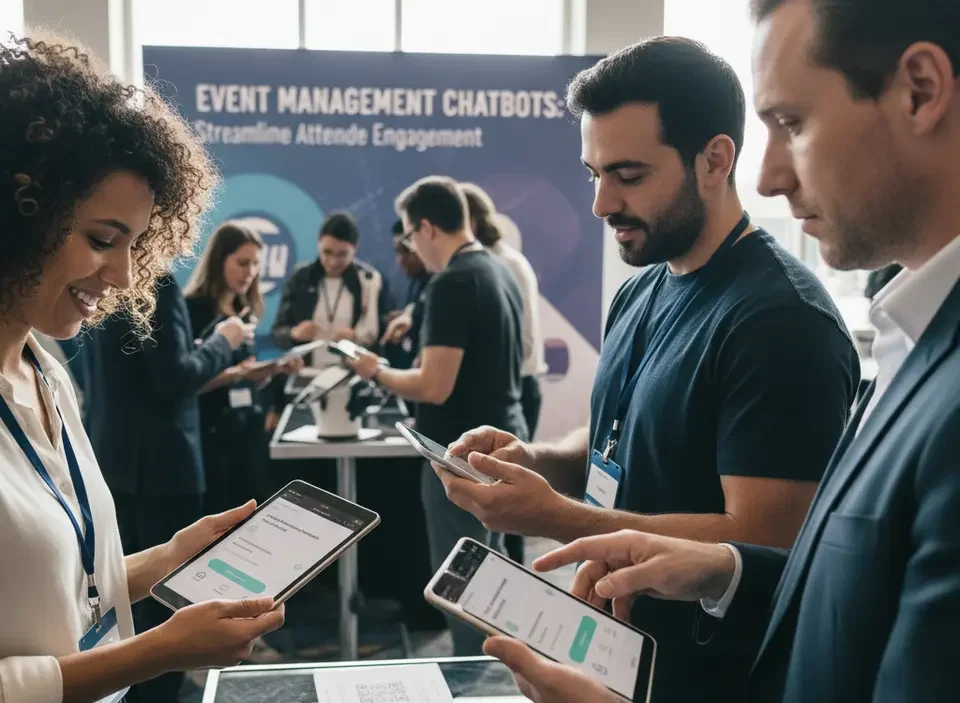
In today’s digital landscape, event professionals face unprecedented pressure to deliver seamless, personalized experiences that leave a lasting impression. With attendee expectations sky-high and manual processes prone to bottlenecks, innovative solutions have become essential. Among these, event management chatbots have emerged as powerful allies, combining artificial intelligence and conversational design to engage guests across multiple touchpoints. Currently, chatbots can field thousands of inquiries, manage registrations, and distribute tailored recommendations without breaking a sweat. By automating routine tasks, planners can allocate resources strategically, focusing on creative programming and meaningful interactions.
As organizations adapt to fast-moving schedules and shifting attendee preferences, the demand for real-time support is at an all-time high. Attendees now expect instant access to agenda details, venue maps, and speaker bios, all available at their fingertips. Traditional channels like email blasts or static web pages often fall short in delivering dynamic, context-aware guidance. Here, event management chatbots shine by offering 24/7 assistance and seamless integrations that streamline the user journey. Whether guiding participants through pre-event sign-up or addressing on-site queries, these conversational tools are reshaping how conferences, trade shows, and corporate events operate.
In this comprehensive article, we explore the evolution of event management chatbots, diving into their core advantages, proven engagement strategies, and best practices for successful deployment. We also examine emerging trends poised to redefine virtual and in-person gatherings. By the end, you’ll have a clear roadmap for leveraging chatbots to elevate your next event and drive measurable ROI.
The Evolution of Event Management Chatbots
Conversational interfaces first gained mainstream attention in the early 2010s, but it was only recently that specialized chatbots tailored for events entered the scene. Initially, chatbots offered rigid, menu-driven experiences with limited understanding of user intent. Planners often deployed these basic bots for simple tasks like registration reminders and FAQ handling. However, the rise of cloud computing and advanced AI algorithms accelerated the development of more sophisticated assistants capable of nuanced interactions.
Advances in natural language processing (NLP) and machine learning have transformed chatbots into intelligent agents that can interpret complex requests, manage context, and deliver personalized responses. Today’s event management chatbots leverage deep learning models to analyze attendee inputs, ensuring that the conversation flows smoothly. These systems no longer rely solely on keyword matching; instead, they identify intent, sentiment, and even subtle cues that signal user satisfaction or frustration.
Scalability has also improved markedly. While early bots struggled under high loads, modern architectures enable parallel processing of thousands of conversations in real time. This capability is especially important for large-scale conferences and trade shows, where sudden spikes in user queries can overwhelm human support teams. By deploying AI-driven chat interfaces, organizers can maintain consistent service levels throughout the event lifecycle.
Integration with existing event management platforms has become more seamless thanks to open APIs and webhooks. Chatbots can now sync attendee data with registration systems, calendar tools, and CRM applications, creating a unified experience. Whether an attendee requests a session schedule or needs help locating a workshop, the chatbot can retrieve and present accurate information instantly.
Robust security and compliance frameworks underpin these solutions, aligning with standards set by institutions such as the National Institute of Standards and Technology (NIST). Compliance with data protection guidelines ensures that attendee information remains secure, fostering trust and boosting adoption among privacy-conscious organizations.
Early adopters in industries such as finance, higher education, and government pioneered conversational tools for virtual assistance. These pilots laid the groundwork for event-focused chatbots, demonstrating that automated agents could reduce first-response times and improve user engagement. As use cases expanded, vendors began specializing in event technologies, offering turnkey solutions that integrated registration, ticketing, and attendee analytics within the chatbot interface.
Research indicates that events leveraging chatbots report a measurable increase in attendee satisfaction. According to a study from a leading academic institution, 68% of participants felt more informed when interacting with a conversational agent, while organizers observed a 30% reduction in help-desk inquiries. Today, these statistics underscore the transformative impact of event management chatbots on the broader events ecosystem.
Key Benefits and Features of Event Management Chatbots
Event management chatbots offer a suite of features designed to streamline operations and enrich attendee experiences. By automating repetitive tasks and delivering real-time assistance, these conversational agents help reduce overhead and improve satisfaction scores. From a strategic perspective, integrating a chatbot into your event can amplify engagement, enhance data capture, and unlock new opportunities for personalized outreach.
One core advantage is multi-channel support. A well-designed chatbot can be embedded within a website widget, mobile app, or popular messaging platforms such as WhatsApp and Telegram. This flexibility ensures that attendees can access information through their preferred channel without switching contexts. Chatbots also support in-app chat modules, enabling organizers to maintain branding consistency and seamless transitions between different event touchpoints.
Advanced natural language understanding (NLU) engines empower chatbots to parse complex attendee requests, recognize intent, and generate contextually relevant responses. Coupled with a dynamic personalization engine, chatbots can tailor recommendations based on individual preferences, past behavior, or demographic data. This level of customization fosters meaningful interactions, driving higher participation rates in sessions, networking events, and sponsored activities.
Registration and ticketing workflows benefit significantly from chat-based automation. Users can complete sign-up forms, select ticket types, and process payments directly within the chat interface, eliminating friction caused by external links. QR code issuance and digital badge generation occur instantly, reducing on-site queue times and accelerating check-in procedures. As a result, staff resources shift from manual scanning to delivering high-touch experiences on the floor.
Schedule management is another standout feature. Attendees can browse session outlines, bookmark presentations, and receive proactive reminders when a talk is about to start or if the venue changes. Notifications are delivered via both push alerts and the chat thread, ensuring no critical updates are missed. Organizers can also send emergency announcements, such as weather-related adjustments or safety instructions, through the same channel.
Venue mapping and wayfinding capabilities transform attendee navigation. With interactive floor plans and step-by-step directions, chatbots guide participants to specific rooms, booths, or networking lounges. Proximity-based triggers can suggest nearby points of interest, sponsor exhibits, or refreshment stations, maximizing exploration and boosting sponsor visibility.
Finally, integrated feedback mechanisms and analytics dashboards provide deep insights into user behavior. Chatbots can solicit surveys at key intervals—after a session or at the end of the day—capturing sentiment and identifying pain points in real time. Organizers can monitor engagement metrics, common queries, and conversion rates, enabling data-driven decision making for both current and future events.
Strategies to Enhance Attendee Engagement
To unlock the full potential of event management chatbots, organizers must implement targeted engagement tactics that resonate with today’s audiences. When thoughtfully designed, chatbots become powerful channels for driving participation, fostering community, and amplifying sponsor ROI. The following strategies can help transform passive visitors into active contributors throughout the event lifecycle.
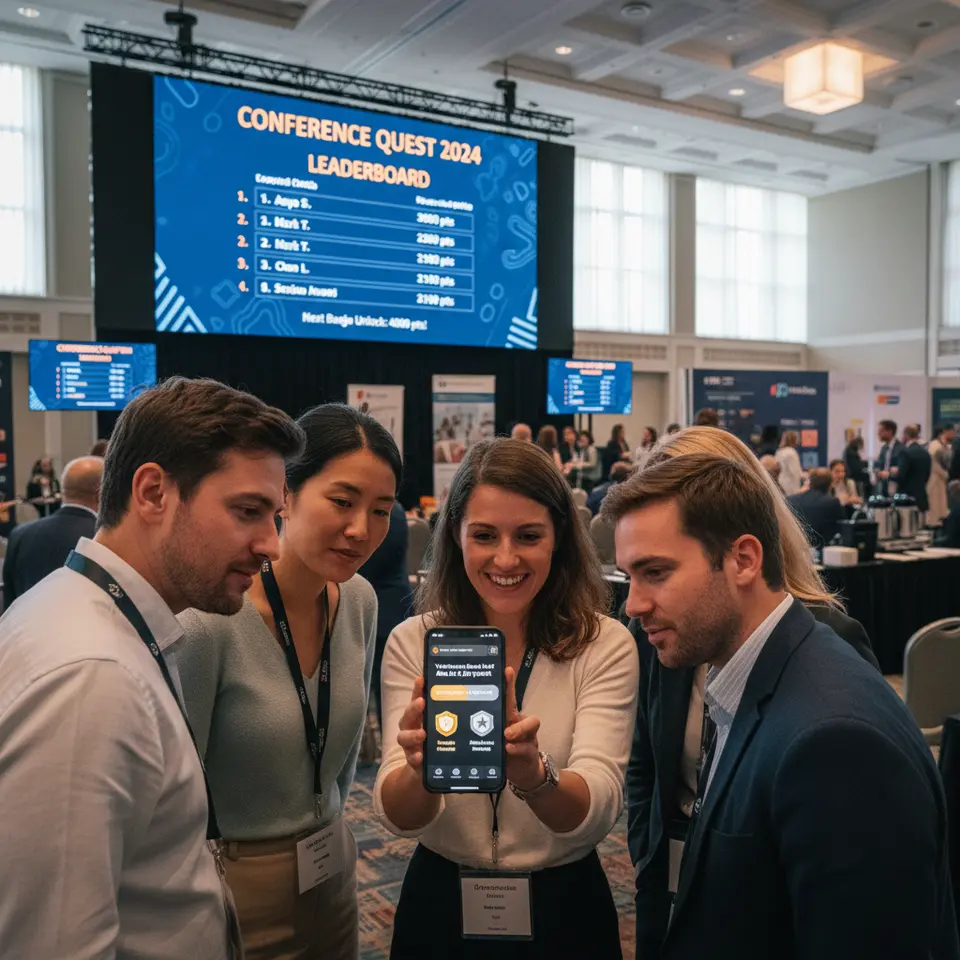
Gamification elements spark excitement and healthy competition. Incorporate quizzes, scavenger hunts, or challenge-based tasks within the chatbot interface. Reward attendees with points, digital badges, or exclusive access for completing objectives such as visiting sponsor booths, attending breakout sessions, or sharing event highlights on social media. Leaderboards can be displayed in-app or on wallscreens, encouraging real-time competition and social sharing.
Personalized onboarding sets the tone for a tailored experience. Upon initial interaction, prompt attendees to share interests, professional goals, or preferred content formats. Leverage these inputs to curate custom agendas, recommend networking matches, and surface targeted resources. By demonstrating an understanding of each participant’s needs, chatbots foster a sense of exclusivity and relevance right from the start.
Push notifications deliver crucial reminders and updates at the optimal moments. Timely alerts about upcoming keynotes, workshop start times, or social events keep attendees informed without overwhelming their inboxes. Include direct deep links to chat threads or virtual rooms, enabling seamless transitions between planning and participation. Remember to allow users to adjust notification frequency to avoid fatigue and respect personal preferences.
Live polling and Q&A sessions offer dynamic engagement opportunities. Embed interactive polls within the chat flow to solicit feedback on session topics, speaker performance, or general satisfaction. Real-time Q&A features enable attendees to submit questions directly through the chatbot, streamlining moderation and ensuring equitable speaker interaction. This approach eliminates the need for additional hardware, centralizing all engagement activities in one accessible place.
Networking matchmaking is another area where chatbots excel. Utilize algorithm-driven pairing based on shared interests, industry sectors, or complementary skills. Send customized connection suggestions and provide icebreaker prompts via chat, reducing the awkwardness often associated with in-person networking. Participants can then schedule meetups, video calls, or messaging exchanges, making relationship building more efficient and enjoyable.
Finally, incorporate on-demand content delivery to nurture continuous engagement. Share session recordings, speaker slide decks, or whitepapers directly through the chatbot after each talk. Offer tiered access to premium materials for VIP registrants, upselling webinars or one-on-one consultations. By maintaining a steady flow of valuable content, chatbots help extend event reach and reinforce key takeaways for attendees.
Implementing and Integrating Chatbots into Your Event Technology Stack
Successful deployment of an event management chatbot hinges on seamless integration with your existing technology ecosystem. By connecting the chatbot to core platforms, organizers ensure consistent data flow, unified reporting, and enhanced user experiences. The following considerations and best practices will guide your implementation journey.
CRM synchronization is foundational. Integrate the chatbot with systems like Salesforce or HubSpot to centralize attendee profiles and communication logs. When an attendee interacts with the bot, relevant data—such as interests, session bookings, and lead scores—should automatically populate the CRM. This linkage enables targeted post-event outreach and strengthens the continuity of event marketing campaigns.
Event management platforms such as Cvent, Eventbrite, and Bizzabo can be linked via open APIs or middleware solutions. Real-time registration data flows directly into the chatbot, enabling instant updates on ticket availability, session capacity, and attendee status. Automated triggers can be configured so that when a participant signs up or changes a booking, the chatbot proactively sends confirmations and calendar invites.
Email marketing tools like Mailchimp and Marketo benefit from chatbot-driven insights. Prospect segments can be dynamically updated based on chat interactions, powering personalized email sequences that nurture leads before, during, and after the event. Embedding links to the chatbot in email campaigns encourages two-way communication and drives higher engagement metrics.
For comprehensive reporting, funnel chatbot metrics into analytics and business intelligence dashboards. Leverage platforms like Google Analytics or Tableau to visualize engagement trends, peak query times, and conversion rates. By comparing chatbot data against website traffic and app usage, event teams gain a holistic view of attendee behavior across channels.
Before going live, conduct thorough testing with a variety of user scenarios. Collaborate with stakeholders to simulate edge cases, multi-language queries, and emergency notifications. Regularly retrain the bot’s AI models using fresh dialogue logs and feedback, ensuring that the chatbot remains contextually accurate and responsive. It’s also advisable to implement a fallback mechanism that escalates complex queries to human operators.
Security and compliance should never be overlooked. Apply industry standards for data encryption, access control, and information governance. Institutions like the Massachusetts Institute of Technology (MIT) recommend periodic audits and penetration testing to maintain system integrity. By adhering to best practices, event planners protect attendee data while reinforcing trust in chat-based solutions.
Emerging Trends Shaping the Future of Event Management Chatbots
Innovation in conversational AI shows no signs of slowing down. As technology continues to evolve, event management chatbots are poised to become even more versatile, intuitive, and indispensable. Organizers who stay informed about these trends will be well-positioned to deliver cutting-edge experiences that resonate with modern attendees.
Voice-enabled virtual assistants are gaining momentum in event environments. By integrating with smart speakers or mobile voice APIs, chatbots can field hands-free requests for schedule updates, speaker bios, or emergency instructions. Attendees simply speak their queries aloud and receive immediate audio or visual prompts. This approach enhances accessibility and convenience, especially in bustling conference halls where screen-based interaction might be impractical.
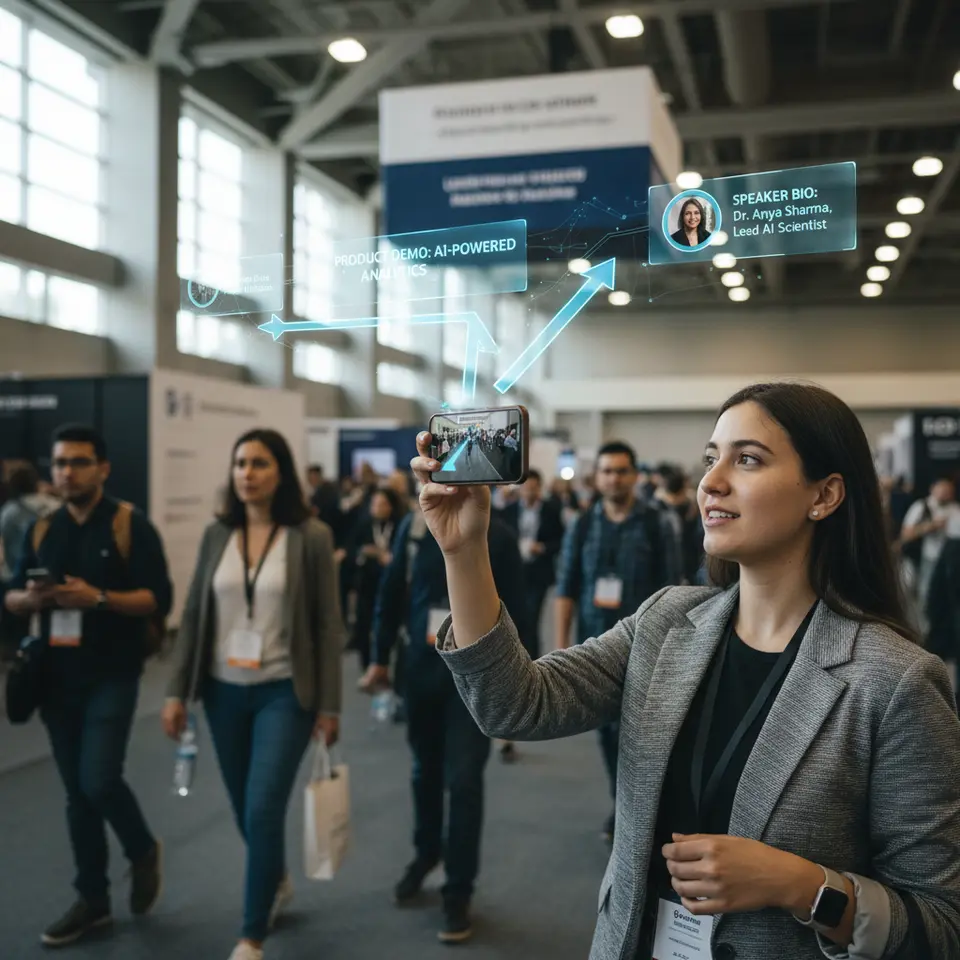
Augmented reality (AR) features are on the horizon for chat-based platforms. Imagine pointing your smartphone camera at a venue badge or booth banner and instantly receiving overlay directions, product demos, or speaker introductions triggered by in-chat commands. AR integration can enrich trade show walk-throughs and on-site tours, creating an immersive environment that bridges the gap between physical and digital realms.
Advanced sentiment and emotion detection technologies will enable chatbots to adjust their tone and recommendations in real time. By analyzing linguistic cues and response patterns, conversational agents can identify attendee mood swings—ranging from excitement to frustration—and adapt by offering supportive prompts or redirecting conversations to human agents when necessary.
Blockchain-based credentialing is emerging as a secure method for issuing digital certificates, badges, or proof of attendance. With on-chain verification, organizers can prevent fraud and offer attendees lifetime credentials that are verifiable by employers, educational institutions, or professional associations. Chatbots will facilitate credential requests and distribution, simplifying the verification process for both participants and third parties.
Cross-event learning represents a paradigm shift in personalization. By aggregating attendee data from multiple events over time, chatbots can refine their recommendations and matchmaking algorithms. This longitudinal approach enables a deeper understanding of individual preferences, career trajectories, and content consumption habits, resulting in highly tailored experiences at every new gathering.
Predictive analytics will further elevate engagement by anticipating attendee needs before they arise. Chatbots can analyze historical interaction data to forecast session popularity, suggest networking opportunities, and optimize floor layouts. This proactive stance ensures that event staff and sponsors can allocate resources effectively, maximizing both convenience and ROI.
Collectively, these emerging trends signal a future where event management chatbots act as intelligent, multisensory guides—continuously learning, adapting, and personalizing each attendee’s journey. Organizers who embrace these innovations will maintain a competitive edge and deliver memorable experiences that resonate long after the event concludes.
FAQ
What is an event management chatbot?
An event management chatbot is an AI-driven conversational tool designed to automate tasks such as registration, scheduling, and attendee support. It leverages natural language processing and machine learning to interact with users across various platforms, providing personalized assistance throughout the event lifecycle.
How do chatbots improve attendee engagement?
Chatbots enhance engagement through immediate, context-aware interactions. They can deliver personalized recommendations, gamify experiences with quizzes and challenges, facilitate networking matchmaking, and provide real-time updates, all of which encourage active participation and satisfaction.
Are chatbots secure for handling attendee data?
Yes. Modern chatbots adhere to stringent security and compliance frameworks, including data encryption, access controls, and regular security audits. Many vendors align with standards from organizations like NIST and perform periodic penetration testing to ensure data protection.
Which platforms can event chatbots integrate with?
Event chatbots can integrate with CRM systems (e.g., Salesforce, HubSpot), event management platforms (e.g., Cvent, Eventbrite, Bizzabo), email marketing tools (e.g., Mailchimp, Marketo), and analytics dashboards (e.g., Google Analytics, Tableau) through open APIs and middleware solutions.
Conclusion
In today’s fast-paced event landscape, leveraging event management chatbots is no longer optional but essential. These AI-driven assistants deliver scalable, personalized support that enhances attendee satisfaction, streamlines operations, and generates actionable insights. From automating registration workflows to facilitating real-time engagement tactics such as gamification and live polling, chatbots free event teams to focus on strategic initiatives rather than manual tasks.
As we look to the remainder of this year (2026), the integration of voice-enabled features, augmented reality overlays, and sentiment analysis will further redefine how participants interact with event platforms. By embedding chatbots seamlessly within CRM systems, event management software, and analytics dashboards, organizers can build resilient ecosystems that adapt to emerging challenges and evolving attendee expectations.
Whether hosting a global summit, trade show, or virtual fair, event management chatbots serve as the connective tissue between attendees, sponsors, and staff. When implemented thoughtfully, these conversational tools drive higher engagement, reduce support costs, and enable data-driven improvements for future gatherings. Embrace chatbot technology today to unlock immersive, memorable experiences that set your event apart and pave the way for sustained growth.
By prioritizing clear objectives, robust testing, and ongoing training, your team ensures the chatbot remains both reliable and innovative. Start small with pilot implementations, measure key performance indicators such as engagement rates and query resolution times, then scale confidently as the system proves its value. With thoughtful planning and continuous refinement, event management chatbots will transform how you connect, communicate, and catalyze success in today’s vibrant event ecosystem.




Event Management Chatbots: Streamline Attendee Engagement
Ethical AI Chatbots: Ensuring Fairness & Transparency
Mental Health Chatbots: Benefits, Risks & Best Practices
Boost Chatbot IQ with Retrieval-Augmented Generation (RAG)