
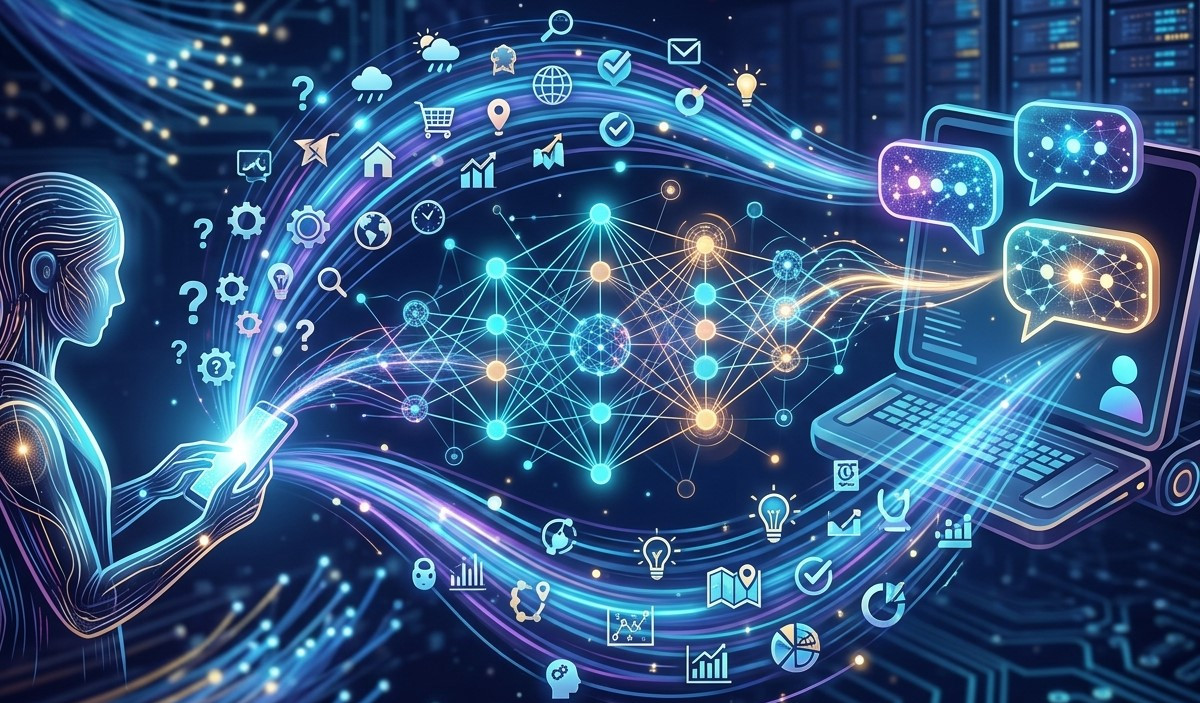
Machine learning chatbots are becoming an important part of modern business communication. As customers increasingly expect quick, convenient, and personalized support, businesses are looking for technologies that can respond to questions efficiently while maintaining consistent customer experiences. Machine learning enables chatbots to process information, recognize patterns, understand customer requests, and improve their responses over time.
Unlike basic rule-based systems that depend on fixed commands, machine learning chatbots can handle a broader range of customer interactions. They can support sales teams, answer frequently asked questions, assist customers, collect information, and guide users through different stages of the customer journey.
Businesses can also combine chatbot systems with Live chat automation to provide faster responses while allowing human agents to focus on more complex conversations. When implemented strategically, chatbot solutions can reduce repetitive workloads, improve response times, increase customer engagement, and support scalable business operations.
What Are Machine Learning Chatbots?
Machine learning chatbots are conversational systems that use machine learning techniques to understand user inputs and generate relevant responses. They can analyze patterns in conversations and use data to improve their ability to handle similar requests in the future.
Traditional chatbots often follow predetermined rules. For example, a customer may need to select a specific option before receiving an answer. Machine learning-based systems can be more flexible because they can interpret variations in language and identify the intent behind a message.
How Machine Learning Improves Chatbot Responses
Machine learning allows chatbots to learn from interaction data and improve their performance. Depending on their design and training, they can recognize common questions, identify customer intent, and provide increasingly relevant responses.
This capability can help businesses manage large volumes of conversations without requiring human employees to manually respond to every repetitive question.
How Machine Learning Chatbots Support Customer Service

A machine learning chatbot can handle many of these requests automatically. This provides customers with immediate assistance while reducing the number of repetitive tasks handled by support teams.
Providing Faster Customer Responses
Response speed can influence the overall customer experience. Customers may become frustrated when they have to wait for simple answers or basic information.
Machine learning chatbots can provide responses at any time, including outside normal business hours. This gives customers an additional communication channel and allows businesses to maintain support availability across different time zones.
Supporting Human Agents
Chatbots do not necessarily need to replace human customer service representatives. Instead, they can work alongside them.
A chatbot can handle common questions and collect initial information before transferring complex cases to a human agent. This approach can help support teams spend more time on conversations that require judgment, empathy, or specialized knowledge.
The Role of Chatbot Technology in Business Growth
Chatbot technology has developed from simple scripted systems into more sophisticated conversational tools. Modern chatbot solutions can connect with websites, messaging platforms, customer service systems, and business applications. These integrations can allow businesses to automate parts of the customer journey while keeping communication accessible.
Automating Repetitive Business Tasks
Many businesses spend significant amounts of time answering similar questions. Chatbots can automate repetitive interactions such as frequently asked questions, appointment requests, basic product inquiries, and information collection.
By reducing repetitive work, employees can redirect their time toward activities that require creativity, decision-making, relationship building, and strategic thinking.
Supporting Business Scalability
As a business grows, customer inquiries can increase significantly. Hiring additional employees for every increase in conversation volume may not always be practical.
Machine learning chatbots can handle multiple conversations simultaneously. This makes them useful for businesses that need to expand customer support without increasing manual workloads at the same rate.
How Live Chat Automation Improves Customer Experience
Live chat automation combines automated responses with conversational support to make customer communication more efficient. A chatbot can respond to initial questions, identify customer needs, and direct users toward relevant resources.
When a human agent is required, the conversation can be transferred to the appropriate team. This creates a more structured support process.
Guiding Customers Through the Buying Journey
Chatbots can assist customers before, during, and after a purchase. They can help visitors find products, explain features, answer basic questions, and provide information about ordering or delivery.
This can reduce friction in the buying process. Customers can receive relevant information without navigating through multiple pages or waiting for an available representative.
Offering Support Beyond Business Hours
Online customers may visit websites at different times of the day. Automated chatbot systems can provide basic assistance when human agents are unavailable.
Although automated support may not solve every issue, it can provide immediate answers to common questions and collect information for follow-up.
Machine Learning Chatbots and Lead Generation
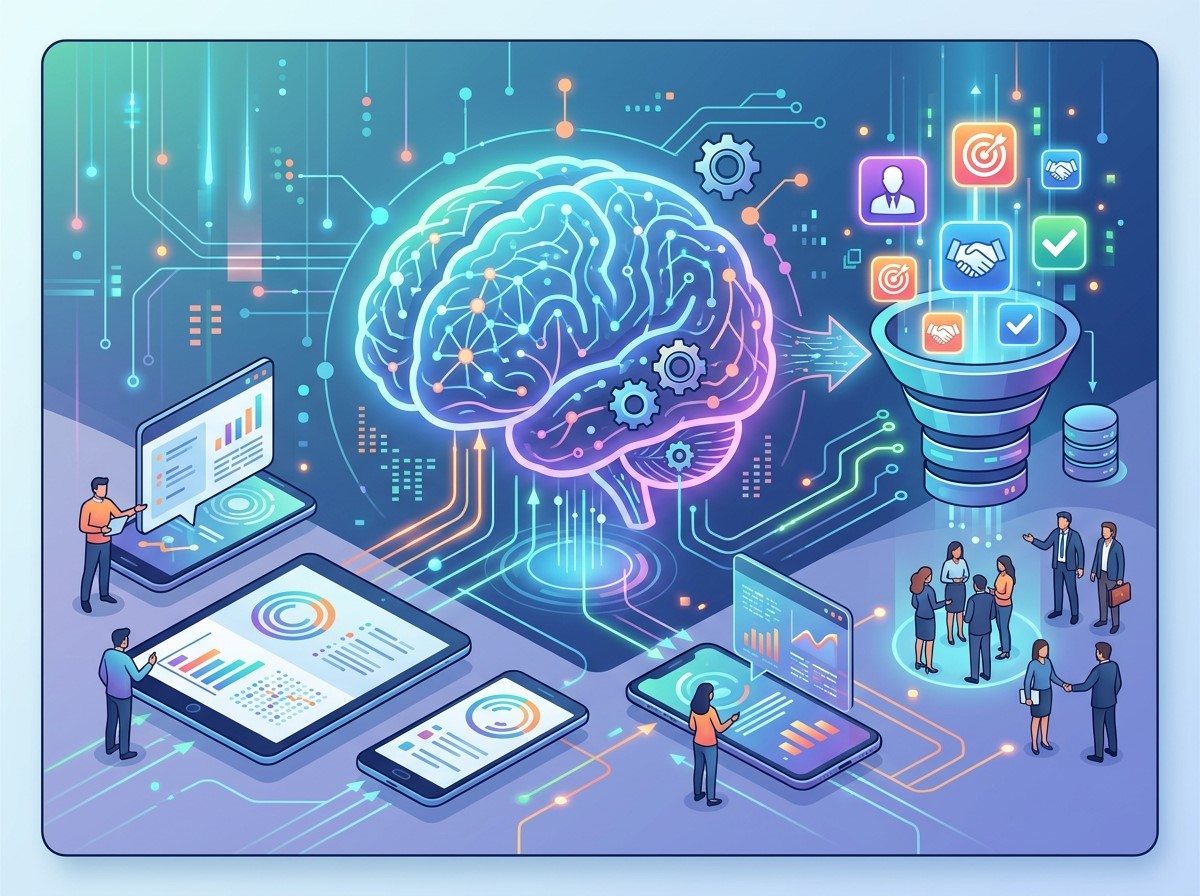
A chatbot can identify whether a visitor is looking for information, comparing products, requesting pricing, or preparing to make a purchase.
Qualifying Potential Customers
Chatbots can ask predefined questions to help businesses identify potentially valuable leads. Information such as business requirements, product interests, budget ranges, or service needs can be collected during the conversation.
Qualified leads can then be transferred to sales representatives, allowing sales teams to prioritize conversations based on available information.
Increasing Opportunities for Conversion
When customers receive quick answers, they may have fewer reasons to leave a website while searching for information. A chatbot can address common concerns and direct visitors toward appropriate pages, products, forms, or sales representatives. This can support the conversion process by reducing unnecessary friction during customer interactions.
Personalizing Customer Interactions
Personalization is an important part of modern customer experience. Machine learning chatbots can use available customer information and conversation context to provide more relevant interactions.
Instead of giving exactly the same response to every visitor, a chatbot may adjust its communication based on the user’s questions, previous interactions, or selected preferences.
Using Conversation Context
Conversation context helps chatbots understand what a customer is discussing. For example, a customer may ask several related questions about the same product.
A context-aware chatbot can use earlier parts of the conversation to provide more relevant responses instead of treating every message as an unrelated request.
Delivering Relevant Recommendations
Depending on the business and available data, chatbots can help users discover relevant products, services, resources, or content.
Recommendations should be based on appropriate information and business rules. When relevant, they can make navigation easier and create a more convenient customer experience.
How Chatbot Automation Reduces Operational Workload
Chatbot automation can reduce the amount of manual work required for repetitive customer interactions. Businesses can automate frequently requested processes while allowing employees to manage situations that require human involvement. Automation can be especially useful for businesses that receive high volumes of similar inquiries.
Automating Frequently Asked Questions
Businesses can create chatbot responses for recurring questions about operating hours, pricing, services, policies, product specifications, and basic processes.
Customers can access these answers quickly without waiting for a support representative. Meanwhile, employees can focus on more complicated requests.
Improving Internal Efficiency
Chatbots can also support internal business communication. Employees may use chatbot systems to locate information, access common resources, or receive answers to routine internal questions. This can reduce the time employees spend searching for basic information and improve access to frequently used resources.
Machine Learning Chatbots and Customer Engagement
Creating Two-Way Communication
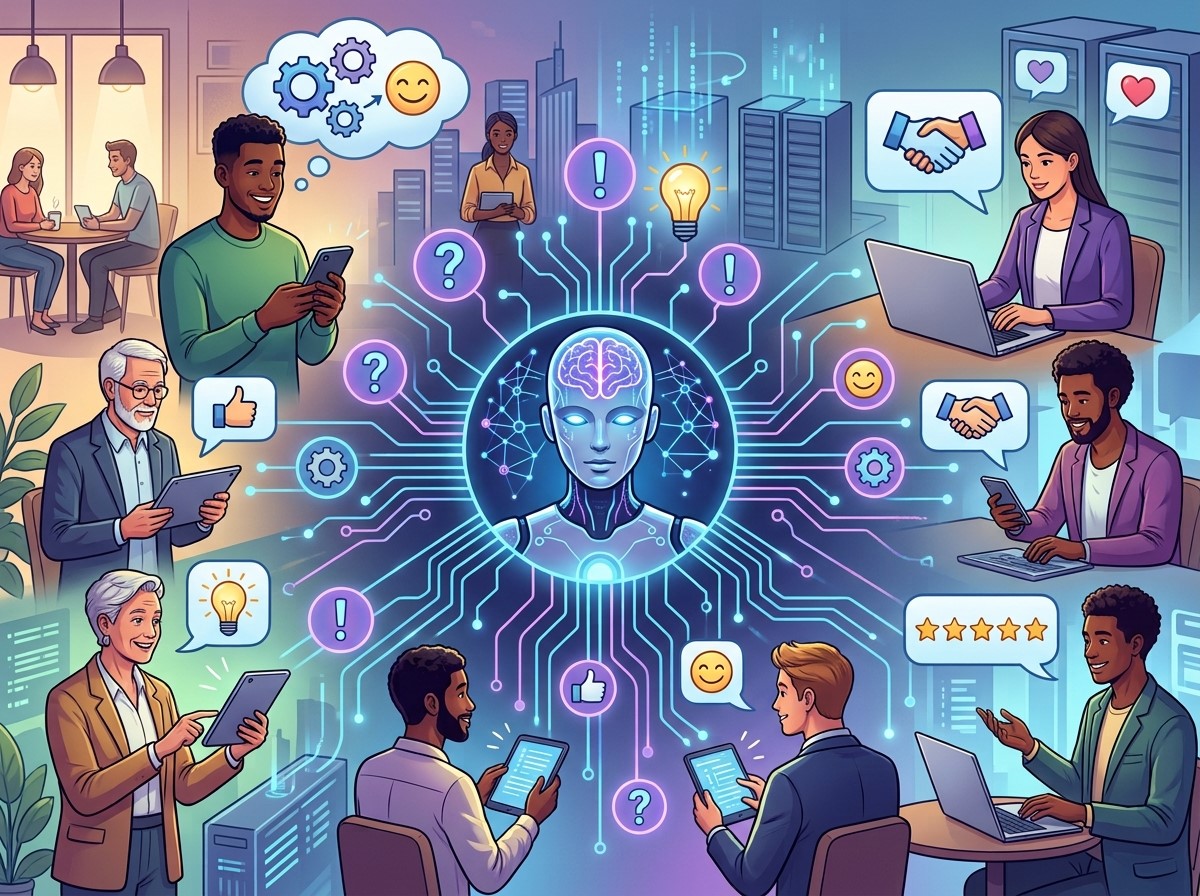
A chatbot allows customers to ask questions rather than simply reading information. This creates a conversational experience that can help users find what they need more efficiently.
Businesses can also use conversations to identify common customer interests and questions, which can inform future content and communication strategies.
Supporting Consistent Communication
Businesses may have multiple customer service representatives working across different shifts. Automated systems can help maintain consistency in responses to common questions.
Clear chatbot guidelines and regularly reviewed information can help ensure that automated responses remain aligned with current business policies.
Using Customer Data and Insights
Chatbot conversations can generate useful information about customer needs and recurring problems. Businesses can analyze these interactions to identify common questions, product concerns, content gaps, and customer preferences. These insights can help teams make more informed decisions about customer service, marketing, products, and website content.
Identifying Common Customer Problems
If many customers ask the same question, it may indicate that existing information is difficult to find or understand.
Businesses can use chatbot conversation data to identify these patterns and improve FAQs, product descriptions, help resources, or website navigation.
Improving Products and Services
Customer conversations can reveal recurring complaints, feature requests, or areas of confusion. Businesses can use these insights as one source of feedback when evaluating potential improvements. This makes chatbot interactions useful not only for support but also for continuous business improvement.
Machine Learning Chatbots and Marketing
Chatbots can support marketing by helping businesses communicate with audiences at different stages of the customer journey. They can provide educational information, distribute resources, answer campaign-related questions, and direct users toward relevant content.
When integrated with marketing systems, chatbot conversations can also help businesses understand which topics generate the most interest.
Supporting Content Discovery
A chatbot can help visitors find blog posts, guides, product information, case studies, or other useful resources based on their questions. This can improve website navigation and encourage visitors to explore additional content.
Connecting Marketing and Customer Service
Marketing campaigns often generate customer questions. Chatbots can provide immediate answers to common campaign-related inquiries while collecting questions that require human attention. This creates a stronger connection between promotional activities and customer support.
Best Practices for Implementing Machine Learning Chatbots
Successful chatbot implementation requires more than simply installing a chatbot on a website. Businesses should define clear objectives, identify suitable use cases, maintain accurate information, and establish processes for human escalation. The chatbot should be designed around genuine customer needs rather than automation alone.
Start With Specific Use Cases
Businesses can begin with common questions and repetitive tasks that are relatively straightforward to automate. Examples include FAQs, appointment requests, basic product information, and initial lead qualification. Starting with focused use cases makes it easier to monitor performance and identify areas for improvement.
Maintain a Human Handoff Option
Customers should have a clear path to human assistance when an automated system cannot provide an appropriate answer. A well-designed human handoff process can prevent customers from becoming trapped in repetitive automated conversations and can improve the overall support experience.
Measuring Chatbot Performance
Businesses should monitor chatbot performance regularly to determine whether the system is meeting its objectives. Different organizations may use different metrics depending on their goals.
Important measurements can include response accuracy, conversation completion, customer satisfaction, escalation rates, lead qualification, resolution rates, and response time.
Improving the System Over Time
Machine learning systems require ongoing monitoring and improvement. Businesses should review unsuccessful conversations, identify unanswered questions, update information, and improve chatbot workflows. Regular optimization can help the chatbot remain useful as products, services, policies, and customer expectations change.
Conclusion
Machine learning chatbots can support business growth by improving customer service, automating repetitive tasks, supporting lead generation, increasing engagement, and providing useful customer insights. Their ability to process conversational information can make them more flexible than traditional rule-based systems. When combined with Live chat automation, Chatbot technology, and Chatbot automation, businesses can create scalable communication processes that serve customers efficiently while supporting human teams.
The most effective approach is not to automate every interaction. Instead, businesses should identify where automation provides genuine value and combine chatbot capabilities with human support where appropriate. With clear objectives, accurate information, continuous monitoring, and thoughtful implementation, machine learning chatbots can become a valuable part of a long-term business growth strategy.
Frequently Asked Questions
1. What are machine learning chatbots?
Machine learning chatbots are conversational systems that use machine learning techniques to understand customer messages, recognize patterns, and provide relevant responses. They can improve their performance through training, data analysis, and ongoing optimization.
2. How do machine learning chatbots support business growth?
They can support growth by automating repetitive customer interactions, improving response times, supporting lead generation, assisting sales teams, increasing customer engagement, and providing insights from customer conversations.
3. What is the difference between traditional chatbots and machine learning chatbots?
Traditional chatbots generally depend on predefined rules and fixed responses. Machine learning chatbots can analyze language patterns and customer interactions to understand different variations of requests and provide more flexible responses.
4. How does Live chat automation work with chatbots?
Live chat automation can allow a chatbot to handle initial conversations, answer common questions, and collect customer information. When a request requires human assistance, the conversation can be transferred to a live support representative.
5. Can machine learning chatbots generate leads?
Yes. Chatbots can interact with website visitors, ask qualifying questions, identify customer interests, collect contact information, and transfer qualified prospects to sales teams.
6. What is Chatbot technology used for?
Chatbot technology can be used for customer support, lead generation, product discovery, appointment scheduling, FAQs, customer engagement, internal assistance, and various other conversational business processes.
7. Can chatbots replace human customer service agents?
Chatbots can automate many repetitive interactions, but they do not need to replace human agents. Human representatives remain valuable for complex, sensitive, or highly personalized situations where judgment and human communication are important.
8. What is Chatbot automation?
Chatbot automation refers to using chatbot systems to automatically perform conversational tasks such as answering common questions, collecting information, guiding users, and initiating predefined processes.
9. How can businesses improve chatbot performance?
Businesses can improve performance by reviewing unsuccessful conversations, updating knowledge and responses, monitoring key metrics, testing workflows, and providing an effective human handoff process.
10. Are machine learning chatbots useful for small businesses?
Yes. Small businesses can use them for specific tasks such as answering FAQs, collecting leads, providing basic support, and assisting website visitors. Starting with focused use cases can make chatbot implementation more manageable.



How Machine Learning Chatbots Support Business Growth
How Natural Language Processing Improves Data Analysis
How Intelligent Chatbots Drive Better Customer Engagement
How Chatbot Technology Helps Automate Customer Interactions