
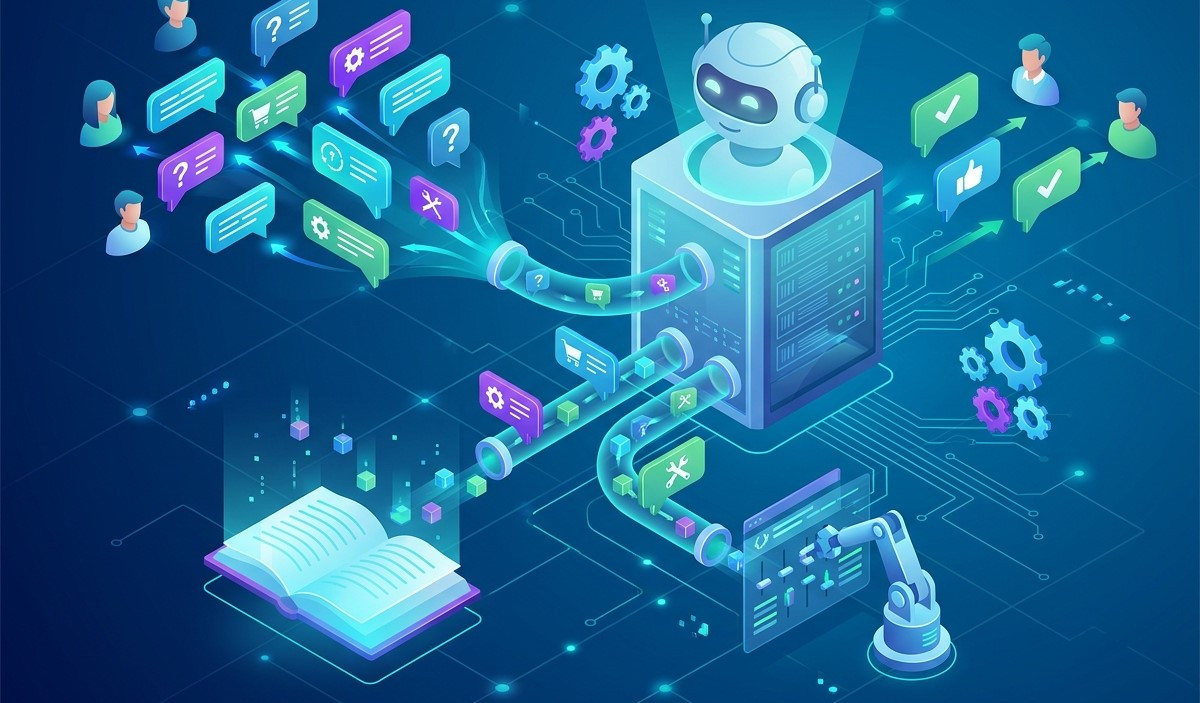
Chatbot automation is changing the way businesses communicate with customers, manage support, and increase sales. Instead of depending entirely on human agents, businesses can use automated chat systems to answer common questions, collect leads, recommend products, and guide customers through the buying process.
With the help of Conversational AI and AI chatbots, companies can provide fast and personalized responses throughout the day. Chatbot automation also helps reduce repetitive work, improve customer satisfaction, and lower operational costs. Whether a business operates an eCommerce store, service website, logistics company, or SaaS platform, automated chat solutions can support business growth. A well-designed chatbot does more than answer questions. It can improve customer experience, increase conversions, support employees, and create measurable business value.
What Is Chatbot Automation?
Chatbot automation is the process of using software to communicate with customers automatically through chat platforms. These systems can answer questions, provide information, collect customer details, and complete specific tasks without requiring constant human involvement.
Basic chatbots usually follow predefined rules. They provide responses based on keywords, buttons, or selected options. Advanced AI chatbots use artificial intelligence to understand natural language and respond more flexibly.
Why Chatbot Automation Is Important for Business Growth
Providing 24/7 Customer Support
Customers do not always contact businesses during regular office hours. They may need assistance at night, during weekends, or on public holidays.
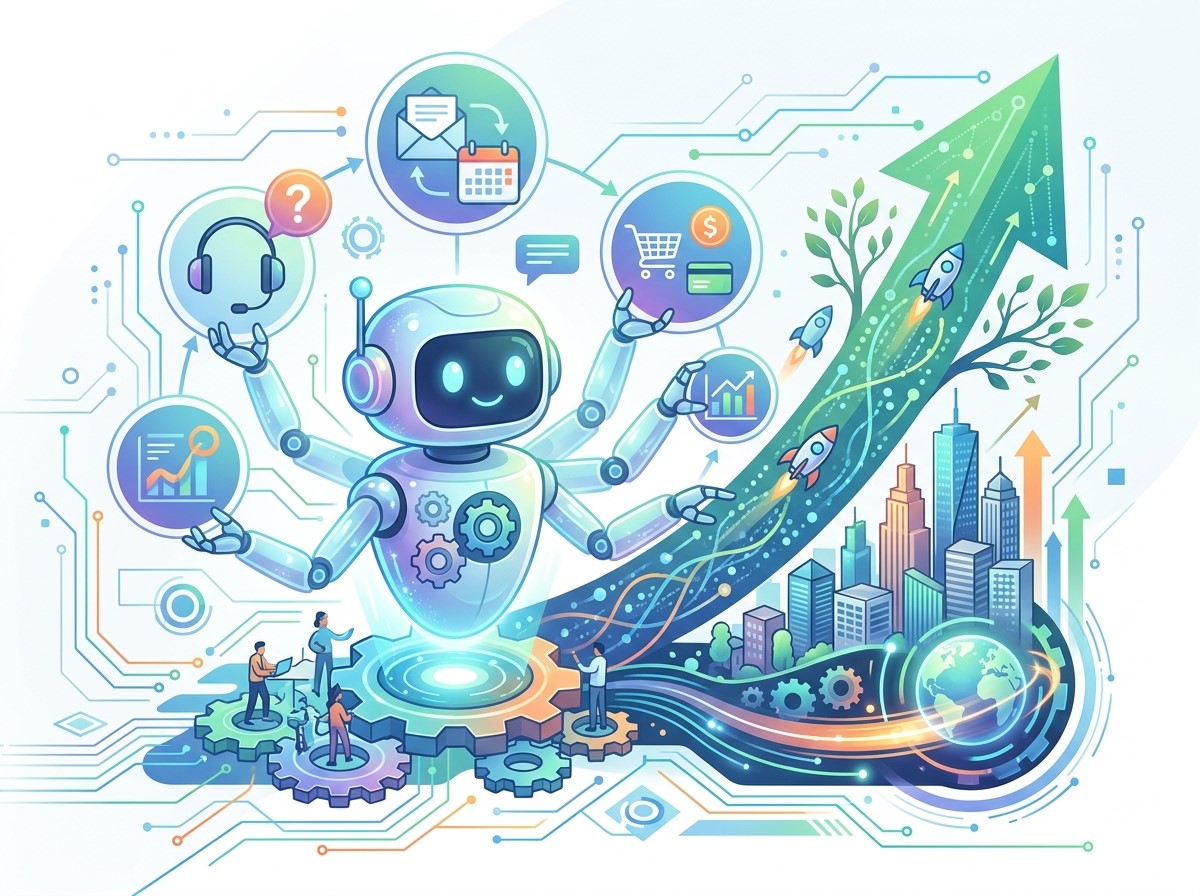
Chatbot automation allows businesses to answer common questions at any time. Customers can receive information about products, services, pricing, shipping, and policies without waiting for a support agent. This improves convenience and creates a better customer experience. It also helps businesses capture leads and support international customers across different time zones.
Improving Response Time
Fast responses are important for customer satisfaction. A delayed reply can create frustration, especially when customers need urgent information.
Automated chat systems can respond instantly to common questions. This reduces waiting time and allows customers to continue their buying or support journey without unnecessary delays. Quick responses can also improve sales opportunities because customers receive important information while they are still interested in a product or service.
Reducing Business Costs
Customer service teams often spend a large amount of time answering repetitive questions. Chatbot automation can manage many of these basic conversations.
As a result, businesses can reduce the workload of support agents and use their resources more efficiently. Employees can focus on complex issues, relationship management, and tasks that require human judgment. This makes chatbot automation a cost-effective solution for both small businesses and large organizations.
How Chatbot Automation Improves Customer Support
Customer support is one of the most valuable areas for chatbot automation. A chatbot can provide consistent information and help customers solve simple problems quickly.
Answering Common Customer Questions
Customers frequently ask similar questions about product availability, delivery times, return policies, payment methods, and service details.
A chatbot can answer these questions using an approved knowledge base. This allows customers to find information without contacting a human agent. Businesses should update chatbot information regularly. Incorrect or outdated answers may create confusion and reduce customer trust.
Collecting Customer Information
Chatbots can collect useful information before transferring a conversation to a support agent. For example, the chatbot may ask for the customer’s name, order number, email address, and description of the problem.
This helps agents understand the issue before joining the conversation. It also reduces the time needed to collect basic information manually.
Managing Support Requests
Chatbot automation can help organize support requests by identifying the type of issue. A customer may need help with billing, technical support, delivery, account access, or product information.
The chatbot can guide the customer to the correct department or create a support ticket. This improves workflow efficiency and reduces unnecessary communication between departments.
Offering Human Support When Needed
Chatbots should not be used to block customers from reaching human agents. Some problems are too complex or sensitive to solve through automation.
A successful chatbot strategy includes a clear human handoff option. When the chatbot cannot answer a question, it should transfer the conversation to a qualified support representative. Combining automation with human assistance creates a more reliable customer service experience.
How Chatbot Automation Increases Sales and Conversions
Generating More Qualified Leads
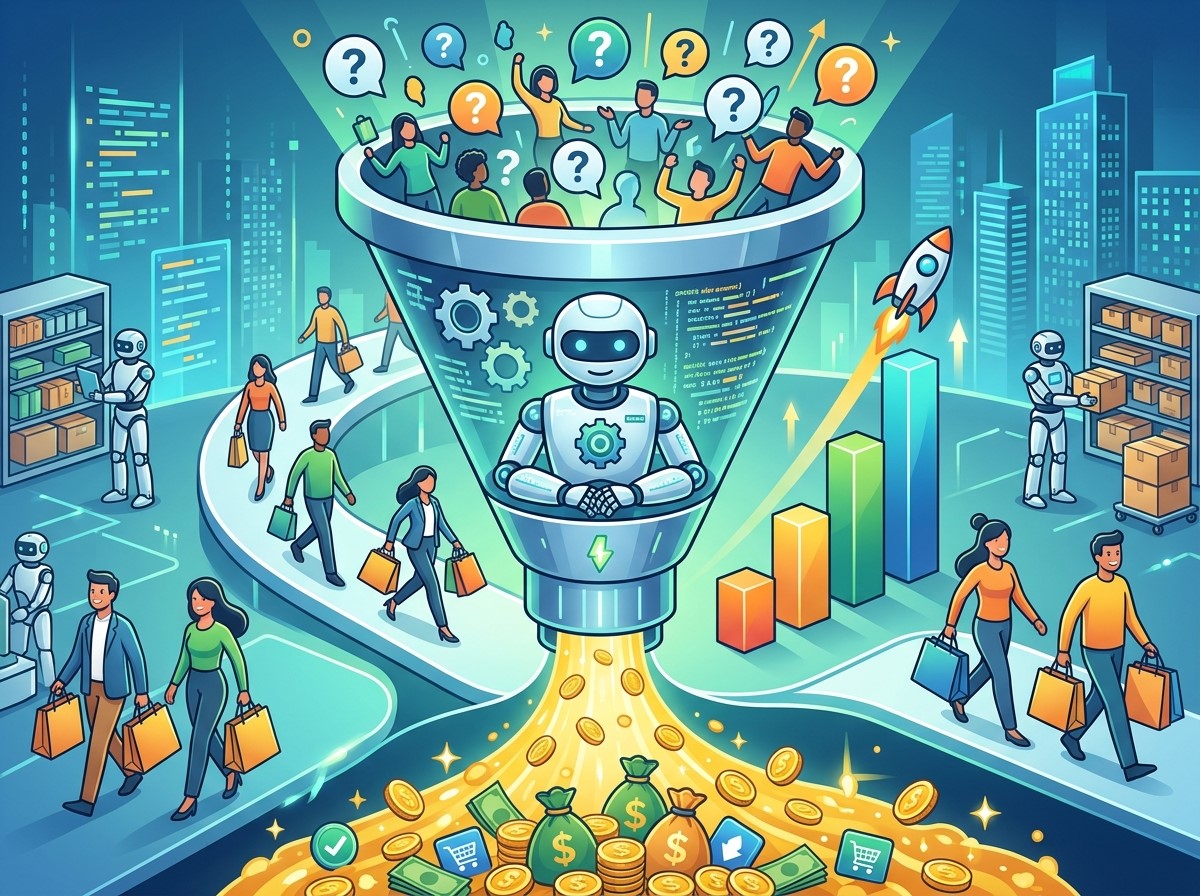
A chatbot can engage website visitors and ask questions about their needs. Instead of using only a traditional contact form, businesses can collect information through a conversational experience.
For example, a digital marketing company may ask visitors which service they need, what type of business they operate, and when they want to start. This information helps sales teams identify qualified prospects. It also makes the lead generation process more interactive and convenient.
Recommending Products and Services
AI chatbots can recommend products based on customer preferences, budget, and requirements. This is especially useful for eCommerce websites with a large number of products.
A chatbot may ask customers about their preferred features, price range, or intended use. Based on the answers, it can suggest suitable products. Service businesses can also use chatbot automation to recommend the right service package. Relevant recommendations can increase customer confidence and improve conversion rates.
Supporting Customers During Checkout
Customers may leave the checkout page because they have questions about shipping, payment methods, discounts, or return policies.
A chatbot can answer these questions immediately. It can also explain the checkout process and direct customers to the correct page. When customers receive quick assistance, they may feel more confident about completing their purchases.
Recovering Abandoned Carts
Cart abandonment is a major challenge for online businesses. Customers may add products to their carts but leave before completing the transaction.
Chatbot automation can remind customers about their abandoned carts and answer questions that may be preventing them from purchasing. For example, the chatbot can explain delivery charges, product availability, or payment options. Helpful reminders can encourage customers to return and complete their orders.
Increasing Upselling and Cross-Selling Opportunities
Chatbots can recommend related products or additional services based on customer activity. For example, a customer purchasing a smartphone may receive a recommendation for a protective case or screen protector. A customer buying a software plan may be offered an upgraded package. These recommendations should be relevant and useful. Too many promotional messages may annoy customers and negatively affect the overall experience.
The Role of Conversational AI in Chatbot Automation
Conversational AI helps chatbots understand human language and respond in a natural way. It allows users to communicate without following strict commands or selecting from limited options.
Traditional chatbots may fail when a customer uses an unexpected phrase. Conversational AI can recognize different expressions with similar meanings and provide more relevant responses.
Understanding Customer Intent
Conversational AI can identify what a customer wants to achieve. A customer may ask about delivery in several different ways, but the system can recognize that the main intent is shipment tracking. This improves the accuracy of chatbot responses and reduces the need for customers to repeat their questions.
Creating Personalized Conversations
AI chatbots can use customer information and previous interactions to provide personalized support. Returning customers may receive assistance based on their previous orders or account activity. Personalized conversations can make customers feel understood and improve their overall experience with a brand.
Supporting Multiple Languages
Businesses that serve customers from different countries can use Conversational AI to support multiple languages. Multilingual chatbot automation can help companies communicate with a wider audience. However, businesses should review translations and ensure that important information remains accurate.
AI Chatbots for Different Business Departments
Chatbot automation is useful across many departments, not just customer service. Businesses can use AI chatbots to improve internal workflows and external communication.
Marketing and Sales
Marketing teams can use chatbots to answer campaign questions, collect leads, promote offers, and guide visitors to landing pages.
Sales teams can use chatbot data to identify customers who show strong purchase interest. Visitors asking about pricing, product features, or implementation may be ready to speak with a sales representative.
Human Resources
HR departments can use chatbots to answer employee questions about leave policies, onboarding, benefits, and company procedures. This reduces repetitive HR tasks and allows employees to access important information quickly.
Finance and Billing
Chatbots can help customers understand invoices, subscription plans, payment methods, and billing dates. For security reasons, sensitive financial details should be handled through protected systems. Chatbots should not expose private customer information in public conversations.
Logistics and Supply Chain
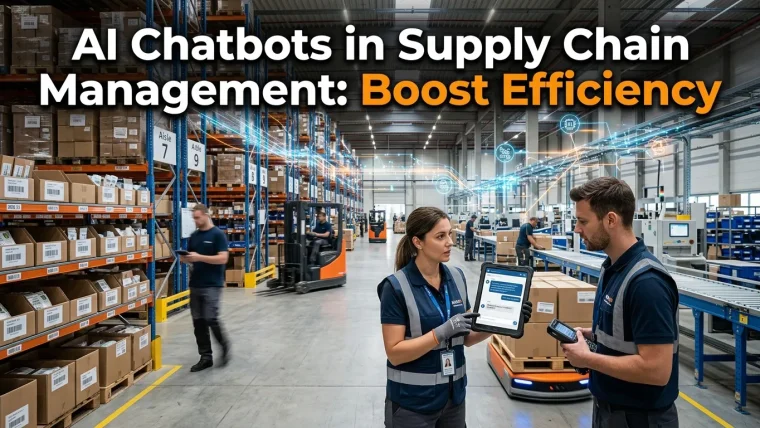
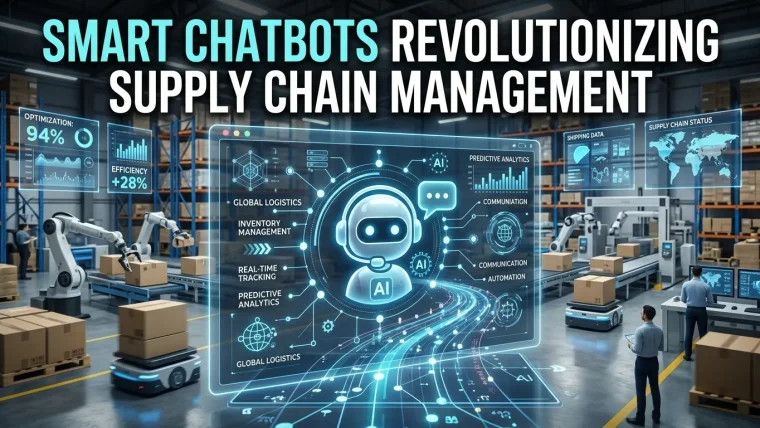
Supply Chain Chatbots are designed to support logistics and supply chain operations. They can provide shipment updates, inventory information, delivery estimates, and supplier communication.
For example, a logistics chatbot may help a customer track a package or check whether a product is available in a warehouse. These systems can reduce communication delays and improve coordination between suppliers, customers, and internal teams.
How to Create an Effective Chatbot Automation Strategy
Installing a chatbot is not enough to guarantee success. Businesses must create a strategy based on customer needs and business goals.
Set Clear Objectives
The first step is to decide what the chatbot should achieve. Some businesses may want to reduce support requests, while others may focus on lead generation or sales. Clear objectives help businesses select the right chatbot features and measure performance accurately.
Identify Common Customer Questions
Businesses should review customer emails, support tickets, website searches, and social media messages. These sources can reveal the questions customers ask most frequently.
The chatbot should be designed around real customer problems. This makes the automated experience more useful and relevant.
Keep Conversation Flows Simple
Customers should not have to complete a long and confusing process to get basic information. Use clear questions and simple choices. Provide helpful options such as product information, order tracking, pricing, technical support, and contact with an agent. A simple chatbot experience is often more effective than a system with too many unnecessary steps.
Connect the Chatbot With Business Tools
Chatbot automation becomes more powerful when connected with CRM platforms, helpdesk systems, eCommerce stores, email marketing software, payment platforms, and inventory databases.
These integrations allow the chatbot to access relevant information and trigger automated actions. For example, a chatbot connected to an eCommerce platform may provide real-time order updates. A chatbot connected to a CRM may automatically save lead information for the sales team.
Common Chatbot Automation Mistakes to Avoid
Depending Completely on Automation
Chatbots should support human employees rather than replace them entirely. Customers should always have a way to reach a human agent when necessary.
Giving Incorrect Responses
Incorrect information can damage customer trust. Businesses should review chatbot answers and update the knowledge base whenever products, services, or policies change.
Making the Chatbot Too Complicated
A chatbot with too many questions can frustrate users. Keep conversations short, clear, and focused on solving the customer’s problem.
Ignoring Data Privacy
Chatbots may collect names, email addresses, order details, and other personal information. Businesses must protect this data and explain how it is used.
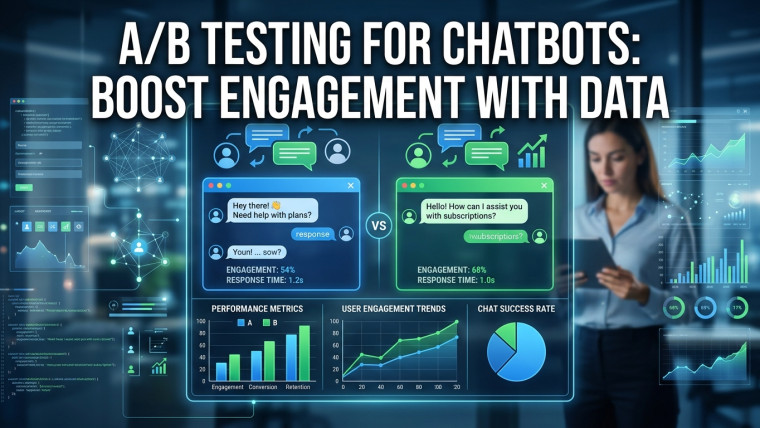
Not Tracking Performance
Without performance tracking, businesses cannot understand whether chatbot automation is improving sales or support. Set clear goals and review results regularly.
Future of Chatbot Automation

Chatbots will also become more closely connected with CRM systems, inventory platforms, marketing tools, and business analytics software. Companies that combine automation with human support, strong security, and continuous improvement will be better positioned to benefit from this technology.
Frequently Asked Questions
1. What is chatbot automation?
Chatbot automation is the use of software to communicate with customers automatically. It can answer questions, collect information, provide support, and guide users toward specific actions.
2. How does chatbot automation help business growth?
Chatbot automation improves response time, provides 24/7 support, reduces operational costs, generates leads, increases sales opportunities, and improves customer satisfaction.
3. What are AI chatbots?
AI chatbots are automated chat systems that use artificial intelligence to understand customer questions and provide relevant responses. They are more flexible than basic rule-based chatbots.
4. What is Conversational AI?
Conversational AI is technology that allows software to understand and respond to human language. It helps chatbots create more natural and personalized conversations.
5. Can chatbot automation increase sales?
Yes. Chatbots can recommend products, collect leads, answer purchase-related questions, support checkout, recover abandoned carts, and suggest related products.
6. Can chatbots replace human customer service agents?
Chatbots can handle repetitive questions, but they should not replace human agents completely. Complex, sensitive, or unusual issues often require personal assistance.
7. What are Supply Chain Chatbots?
Supply Chain Chatbots are automated chat systems used in logistics and supply chain operations. They can support shipment tracking, inventory checks, delivery updates, and supplier communication.
8. How much does chatbot automation cost?
The cost depends on chatbot complexity, platform, integrations, number of users, and AI features. Basic chatbots usually cost less than advanced systems connected to CRM, payment, and inventory tools.
9. How can businesses measure chatbot performance?
Businesses can measure conversation volume, response time, resolution rate, customer satisfaction, lead generation, conversion rate, and cost savings.
10. Is chatbot automation useful for small businesses?
Yes. Small businesses can use chatbot automation to answer common questions, collect leads, provide customer support, and save time without hiring a large support team.


Chatbot Automation for Business Growth: Improve Support, Sales, and ROI
Conversational AI Strategies to Improve Customer Engagement
AI Chatbots: Smart Solutions for Modern Businesses
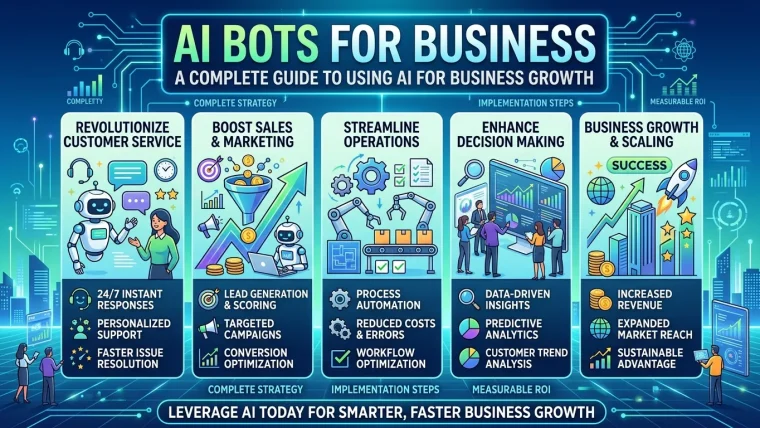
AI Bots for Business: A Complete Guide to Using AI for Business Growth