

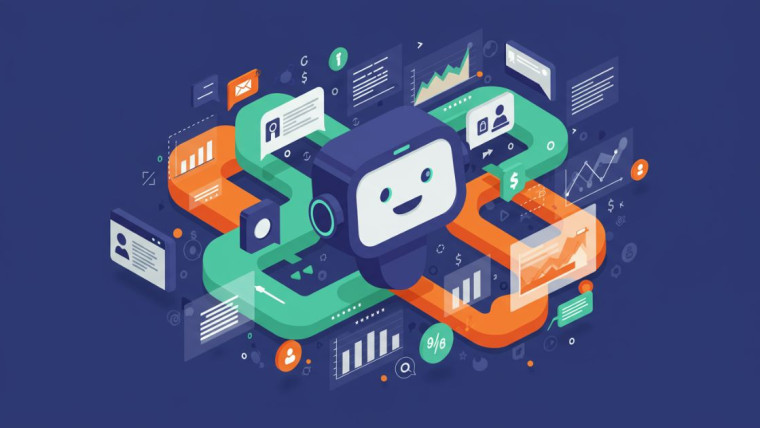
Customer expectations are changing quickly, and businesses need faster, more personalized ways to communicate with their audiences. Conversational AI helps businesses create real-time conversations with customers through intelligent digital systems that can understand questions, provide relevant responses, and guide users toward the right solutions. From answering common questions to supporting sales and customer service, this technology can improve how businesses interact with their audiences.
Modern customers expect brands to be available whenever they need assistance. Traditional communication methods may not always provide immediate responses, especially outside business hours. Conversational AI can help businesses maintain continuous communication while reducing repetitive workloads for human teams.
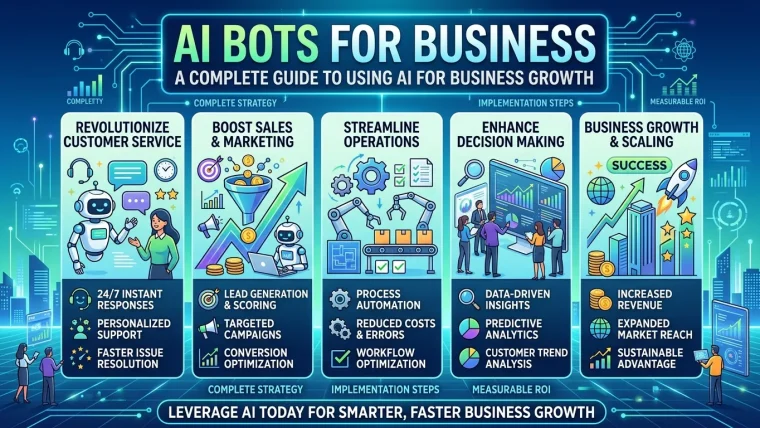
When implemented strategically, conversational technology can improve customer satisfaction, increase engagement, support lead generation, and create more personalized customer experiences.
What Is Conversational AI?
Conversational AI refers to technologies that allow computers to communicate with people using natural language. These systems use artificial intelligence, natural language processing, machine learning, and related technologies to understand customer questions and generate useful responses. Unlike basic scripted systems, modern conversational platforms can understand different ways of asking the same question. This allows customers to communicate more naturally.
Businesses can use conversational systems across websites, mobile applications, social media platforms, messaging applications, and customer service channels. The goal is not always to replace human communication. Instead, businesses can use AI to handle repetitive interactions while allowing employees to focus on complex customer needs.
Why Conversational AI Matters for Customer Engagement

Faster Customer Support
One of the biggest advantages is response speed. Customers can receive answers to common questions within seconds rather than waiting for an email or support representative.
For example, an online store can use an AI assistant to answer questions about shipping, product availability, returns, and payment options. Faster support can create a smoother customer journey and reduce frustration.
Personalized Interactions
Customers do not always want generic information. They want answers that relate to their specific situation. AI-powered conversations can use available customer information and previous interactions to provide more relevant responses. For example, an ecommerce assistant can recommend products based on what a visitor is searching for. A service-based company can guide visitors toward the most relevant service based on their requirements.
Use AI Chatbots for 24/7 Communication
AI chatbots are one of the most common applications of conversational technology. They can interact with visitors at any time and provide immediate assistance. A chatbot can answer frequently asked questions, collect contact information, recommend resources, schedule appointments, or direct users to the appropriate department.
However, businesses should avoid making chatbots overly complicated. Customers should be able to understand what the chatbot can do and how to reach a human representative when necessary. A well-designed chatbot should make communication easier rather than create another obstacle.
Understand Your Customer Journey
Before implementing a conversational system, businesses should understand where customers need the most assistance. Different stages of the customer journey require different types of communication.
During the awareness stage, customers may need educational information. During consideration, they may want comparisons or product details. At the purchase stage, they may need help with pricing, payment, or shipping. After purchase, customers may require support with setup, returns, or troubleshooting. Mapping these stages helps businesses create conversations that provide value at the right time.
Create Context-Aware Conversations
Customers can become frustrated when they have to repeat information during every interaction. Context-aware conversational systems can help maintain continuity within a conversation. The system can use information already provided during the interaction to make subsequent responses more relevant.
For example, if a customer tells a chatbot that they are looking for a specific product category, the system should use that information when answering the next question. Maintaining context makes the experience feel more natural and reduces unnecessary repetition.
Use Conversational AI for Lead Generation

This can help sales teams spend more time with prospects who are genuinely interested. For example, a digital marketing agency can use a conversational assistant to ask visitors what services they need, whether they already have a website, and what their primary marketing goal is. The collected information can then be passed to the sales team for follow-up.
Improve Product and Service Recommendations
Another effective strategy is using conversational systems to help customers discover relevant products or services. Instead of forcing users to browse through multiple pages, businesses can allow them to describe what they need in natural language. For example, a customer could say, “I need a laptop for graphic design and video editing.”
The system could ask additional questions about budget, preferred specifications, and usage before suggesting suitable options. This approach can reduce search time and make the buying process more convenient.
Use Conversational AI for Different Industries
Conversational technology can be adapted to many industries because customer communication exists across almost every business sector.
For example, healthcare organizations can use AI assistants for basic appointment information and frequently asked questions. Ecommerce businesses can provide product recommendations and order support. Financial organizations can answer general account-related questions and guide customers toward relevant services. The technology can also support logistics, education, hospitality, real estate, and professional services.
Supply Chain Chatbots
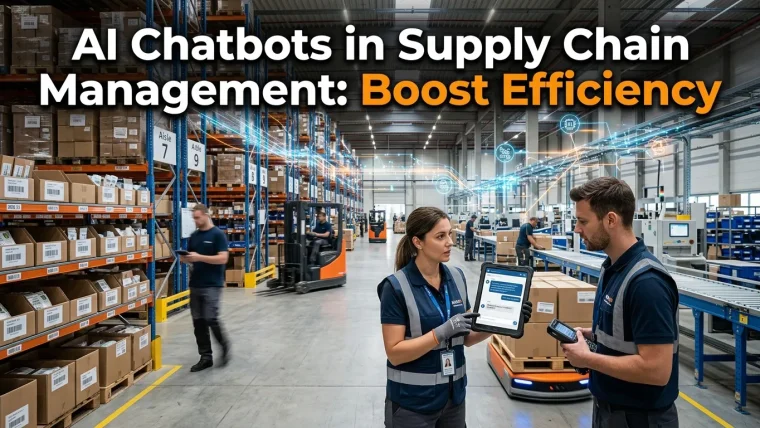
Supply Chain Chatbots can help businesses improve communication across logistics and supply chain operations. They can provide information about shipment status, delivery updates, inventory questions, order tracking, and common logistics requests.
For businesses managing large numbers of orders, automated communication can reduce the workload on customer service teams. Customers can receive updates quickly without contacting support for every routine question.
Event Management Chatbots
Event Management Chatbots can improve communication before, during, and after an event. They can answer questions about event schedules, registration, speakers, locations, tickets, sessions, and frequently requested information.
For large events, attendees may have many similar questions. An AI-powered assistant can provide quick answers while event staff focus on more complex issues. After the event, the same system can help collect feedback and share follow-up information.
Integrate Conversational AI With Customer Service
A conversational system becomes more effective when it works alongside human support teams. Businesses should establish clear escalation processes. When an AI assistant cannot solve a problem, customers should have an easy way to connect with a human representative.
For example, the chatbot might identify the customer’s issue and collect basic information before transferring the conversation. This reduces the amount of repetitive information that support agents need to request. The result can be a smoother transition between automated and human communication.
Make Conversations More Human
Technology should not make customer communication feel robotic. Businesses should create conversational language that is clear, friendly, and consistent with their brand voice.
Short responses are often easier to understand than large blocks of technical information. The system should also avoid unnecessary repetition. Using natural questions, clear instructions, and helpful suggestions can make interactions feel more comfortable. Businesses should regularly review conversations to identify responses that confuse customers or fail to solve their problems.
Use Customer Data Responsibly
Conversational systems can collect valuable information about customer needs and preferences. However, businesses should handle this information responsibly. Customers should understand when they are communicating with an AI system and what information is being collected.
Businesses should also follow applicable privacy and data-protection requirements. Only necessary information should be collected, and sensitive data should receive appropriate protection. Responsible data practices can strengthen trust and reduce potential risks.
Measure Customer Engagement

Engagement metrics can help identify whether the system is actually improving the customer experience. For example, a high number of conversations may appear positive, but if most conversations are transferred to human agents because the AI cannot solve problems, the system may need improvement. Businesses should focus on meaningful outcomes rather than simply measuring conversation volume.
Continuously Improve AI Conversations
Customer needs change over time, so conversational systems should not be treated as a one-time project. Businesses should regularly review conversation logs, customer feedback, unanswered questions, and failed interactions.
New questions can be added to the knowledge base. Poor responses can be rewritten, and outdated information can be removed. Testing different conversation flows can also help businesses discover which approaches produce better customer experiences. Continuous optimization allows the system to become more useful over time.
Avoid Common Conversational AI Mistakes
Businesses can reduce the effectiveness of conversational technology by focusing too much on automation and not enough on customer needs. One common mistake is creating a system that provides irrelevant or repetitive answers. Another is making it difficult for customers to reach a human representative.
Businesses should also avoid using conversational systems only as sales tools. Customers should receive genuine assistance before being pushed toward a purchase. A successful strategy balances automation, personalization, transparency, and human support.
Conclusion
Conversational AI can help businesses create faster, smarter, and more personalized customer experiences. From AI chatbots and lead generation to product recommendations and customer support, conversational technology can improve interactions throughout the customer journey. Specialized applications such as Supply Chain Chatbots and Event Management Chatbots also demonstrate how businesses can adapt conversational systems to specific operational needs.
The most effective strategy is not simply to automate as many conversations as possible. Instead, businesses should identify where customers need assistance, create useful conversation flows, integrate AI with human support, protect customer data, and continuously improve the system. When implemented thoughtfully, conversational technology can become a valuable tool for increasing customer engagement, improving satisfaction, and supporting long-term business growth.
Frequently Asked Questions
1. What is Conversational AI?
Conversational AI is technology that enables computer systems to communicate with people using natural language. It can understand questions and provide automated responses through digital channels.
2. How does Conversational AI improve customer engagement?
It provides faster responses, personalized communication, 24/7 support, product recommendations, and convenient ways for customers to interact with businesses.
3. Are AI chatbots the same as Conversational AI?
AI chatbots are one application of Conversational AI. Conversational AI is a broader technology that can power chatbots, virtual assistants, voice systems, and other conversational experiences.
4. Can Conversational AI generate leads?
Yes. Conversational systems can ask visitors qualifying questions, collect relevant information, identify potential prospects, and transfer qualified leads to sales teams.
5. Can Conversational AI provide customer support?
Yes. It can handle common questions, provide basic troubleshooting, share information, and direct complex issues to human support representatives.
6. What are Supply Chain Chatbots used for?
Supply Chain Chatbots can help with shipment tracking, delivery updates, inventory questions, order information, and routine logistics communication.
7. How can Event Management Chatbots help businesses?
Event Management Chatbots can provide information about registration, schedules, speakers, locations, tickets, sessions, and other event-related questions.
8. Can Conversational AI replace human customer service?
It can automate many repetitive tasks, but human agents remain important for complex, sensitive, or unusual customer issues. The best approach combines AI automation with human support.
9. How can businesses measure Conversational AI performance?
Businesses can measure response time, resolution rate, customer satisfaction, conversation volume, lead generation, conversion rates, and the percentage of conversations requiring human assistance.
10. Is Conversational AI useful for small businesses?
Yes. Small businesses can use conversational systems to provide 24/7 answers, capture leads, support customers, schedule appointments, and reduce repetitive communication tasks.



Conversational AI Strategies to Improve Customer Engagement
AI Chatbots: Smart Solutions for Modern Businesses
AI Bots for Business: A Complete Guide to Using AI for Business Growth
AI Chatbots in Supply Chain Management: Boost Efficiency