

Chatbots are changing the way businesses interact with customers. Whether it’s handling customer queries, automating tasks, or providing personalized support, chatbots are becoming an essential tool for organizations of all sizes. But how can you ensure that your chatbot meets user expectations and performs seamlessly? The answer lies in thorough testing.
The Importance of Chatbot Testing
Chatbot testing is crucial to maintaining functionality, user experience, and security. A poorly tested chatbot can lead to misunderstandings, frustrated users, and even data breaches. Testing ensures that your chatbot is reliable, efficient, and delivers value to your target audience.
Consider this scenario. You’ve deployed a chatbot to handle customer support for an e-commerce store. If the chatbot misinterprets a customer return request or provides incomplete information, it can damage your brand’s reputation. Testing prevents such scenarios by identifying potential issues before they reach your customers.
Types of Chatbot Tests
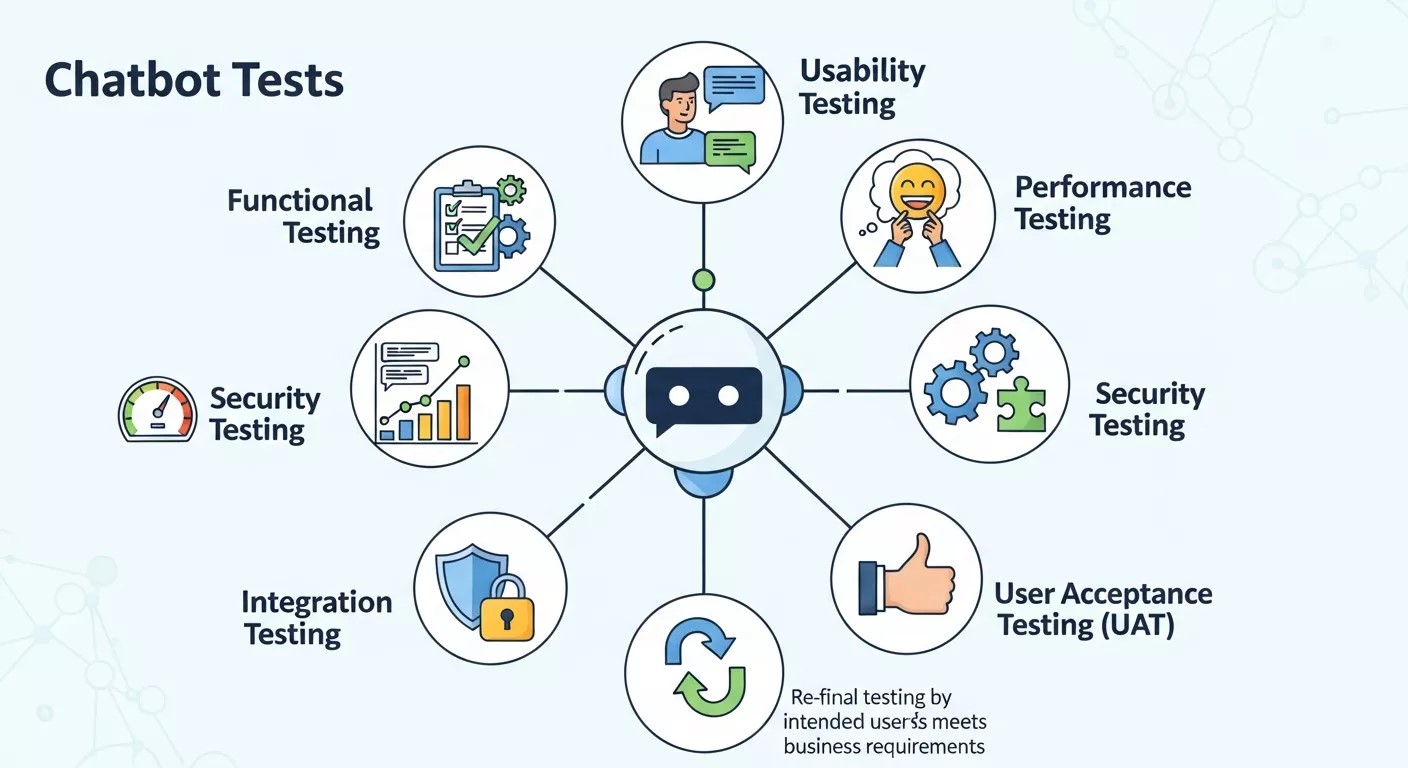
To ensure your chatbot is ready for deployment, you’ll need to conduct a variety of tests. Below is an overview of the most common types of chatbot tests.
Functional Testing
Functional testing evaluates whether the chatbot performs as expected. This includes testing its ability to understand varying inputs, deliver accurate responses, and perform actions such as placing orders or retrieving account information.
Example:
- Test if the chatbot correctly answers FAQs.
- Validate that it redirects users to a live agent when needed.
Performance Testing
This testing assesses how the chatbot responds under different conditions, such as high user traffic or long conversation threads. Performance testing ensures the chatbot is fast and reliable during peak times.
Example:
- Evaluate response times when 1,000 users interact simultaneously.
- Measure how long it can handle continuous conversations without crashing.
Security Testing
Chatbots often handle sensitive data like customer information or payment details. Security testing ensures data protection and checks for vulnerabilities.
Example:
- Test whether the chatbot encrypts sensitive data adequately.
- Evaluate its ability to handle unauthorized access attempts.
Usability Testing
Usability testing focuses on the overall user experience. It ensures that interacting with the chatbot is intuitive and enjoyable for your audience.
Example:
- Test if users find it easy to ask questions and receive answers.
- Check for potential friction points in conversation flows.
Regression Testing
Whenever new features or updates are added to the chatbot, regression testing verifies that existing functionality remains intact.
Example:
- After introducing voice command features, ensure text-based interactions still work effectively.
Step-by-Step Guide to Creating a Chatbot Test Plan
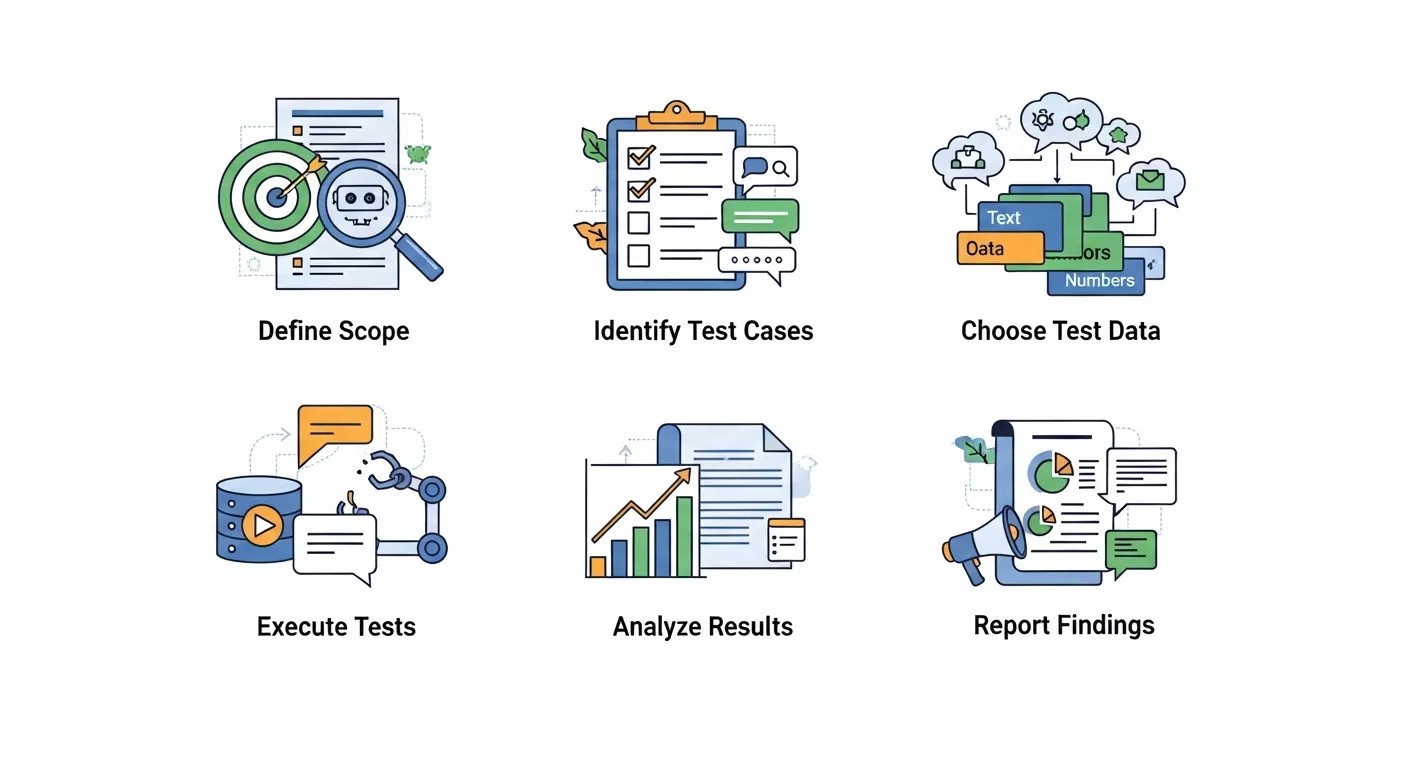
A structured test plan is essential for systematic and thorough testing. Follow these steps to create one for your chatbot.
Step 1 Define Testing Objectives
- What goals should your chatbot achieve? Examples might include resolving customer queries, answering FAQs, or completing sales transactions.
- Decide which KPIs (e.g., accuracy rate or response time) to measure.
Step 2 Identify Testing Scenarios
List all possible scenarios your chatbot might encounter. This includes user intents, expected input variations, and even unexpected inputs.
Step 3 Develop Test Cases
For each scenario, create specific test cases with clear inputs, expected outputs, and success criteria. For example:
- Input: “How can I return a product?”
- Expected Output: Provide detailed instructions on the return process.
Step 4 Choose Testing Tools
Determine which tools you’ll use to execute and monitor your test cases. Tools like Botium or Selenium can help streamline and automate the testing process.
Step 5 Execute Tests
Run tests in both controlled environments and real-world simulations. Tests should include both automated test cases and manual processes, especially for usability and edge cases.
Step 6 Document Results and Revise
Record the outcomes of your tests to identify areas of improvement. Revise your chatbot’s flow, training data, or underlying architecture based on test results.
Tools and Resources for Chatbot Testing
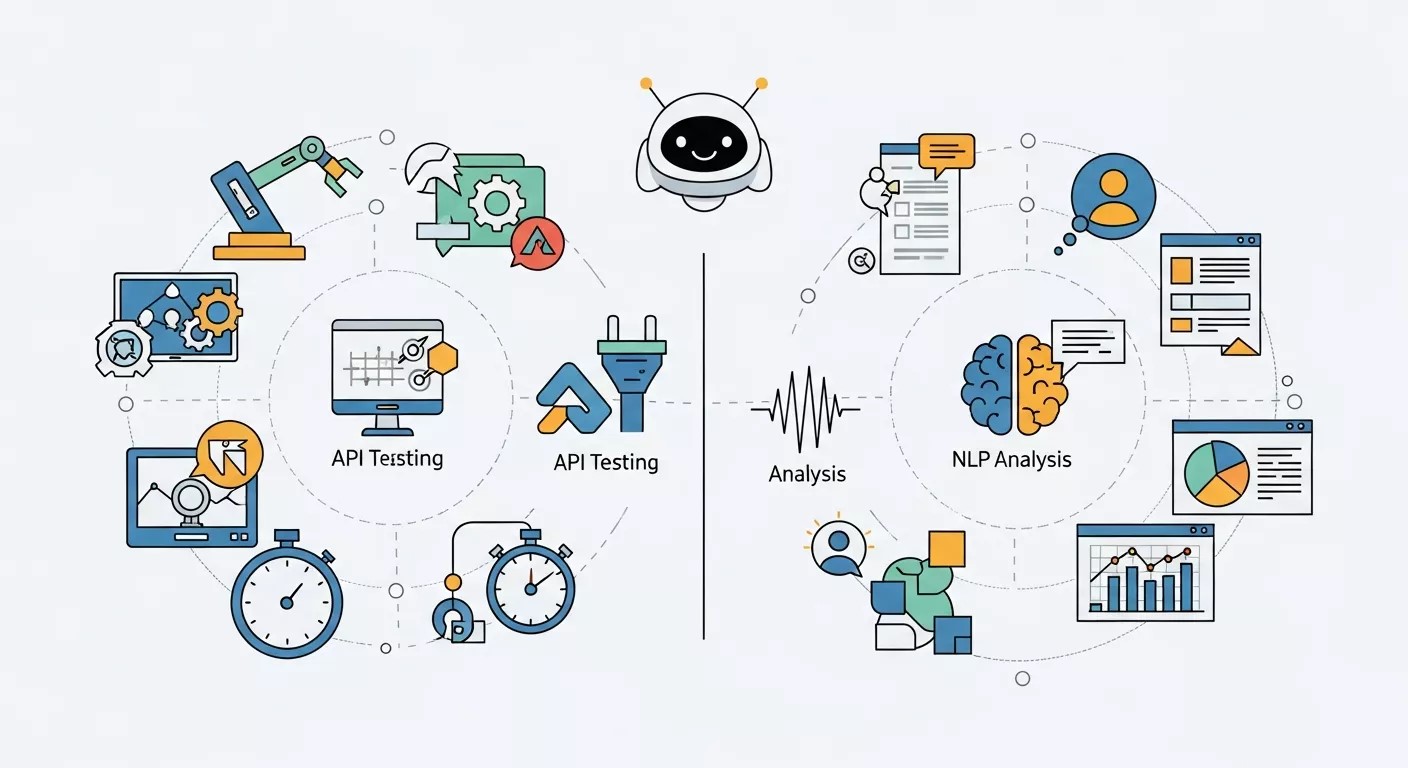
Here’s a list of tools you can use to simplify and enhance your chatbot testing efforts.
- Botium (End-to-End Testing): Botium automates functional, performance, and regression testing, making it a great all-in-one solution.
- Selenium (UI Testing): Ideal for testing chatbot interfaces, such as web or desktop versions.
- Postman (API Testing): Useful for testing the chatbot’s backend APIs to ensure smooth communication between systems.
- Chatbottest (Free Chatbot Testing): Designed specifically for bot conversations, this tool tests various linguistic inputs and intents.
Best Practices for Chatbot Testing
To get the best results, follow these golden rules during your testing process.
- Test Early and Often Start testing your chatbot in its early development stages to identify and resolve issues before they compound.
- Think Like a User Simulate real-world user behaviors, including unusual or unexpected queries, to test how the chatbot responds.
- Automate Where Possible Use automated tools for repetitive tests like functional and regression tests to save time.
- Collaborate Across Teams Include input from developers, designers, and even end users to gain diverse insights into the chatbot’s performance.
- Monitor and Optimize Post-launch, use analytics and user feedback to identify areas for improvement and measure ongoing performance.
Real-Life Example A Successful Chatbot Testing Story
Take the case of an insurance company that launched a claims-processing chatbot. Before deploying the bot, the company conducted rigorous testing that included thousands of user inputs, stress tests for peak traffic times, and security audits. Post-launch, the chatbot handled 80% of basic claims queries, freeing up their staff for more complex cases. This resulted in faster query resolution times and happier customers.
Future Trends in Chatbot Testing
AI and machine learning continue to evolve, and so will chatbot testing methods. Expect future tools to incorporate features like real-time adaptive testing, advanced sentiment analysis, and deeper integration with AI ethics frameworks.
Key Prediction Chatbot testing will become even more user-centric, focusing on hyper-personalized experiences and adaptability across multiple languages and cultural contexts.
Taking the Next Step
Thorough chatbot testing is your passport to delivering seamless and meaningful interactions for your users. By incorporating functional, performance, security, and usability testing into your process, you can ensure that your chatbot does more than just perform—it thrives.
Looking to elevate your chatbot testing strategy? Start today by exploring tools like Botium and Postman to streamline your workflow.
Gain insight into the essential metrics that help measure the effectiveness of account-based marketing strategies.
How to Effectively Use a Chatbot
Understanding How to Effectively Use a Chatbot is just as important as building one. A chatbot delivers value only when it aligns with user intent and business goals. To effectively use a chatbot, businesses must design clear conversation flows, train the bot with real user queries, and continuously test responses. Integrating the chatbot with CRM systems, knowledge bases, and analytics tools further enhances usability. Regular testing ensures the chatbot responds accurately and handles unexpected inputs gracefully. When teams focus on how to effectively use a chatbot through testing and optimization, the result is higher engagement, faster response times, and improved customer satisfaction across digital platforms.
Emotionally Intelligent Chatbots
Emotionally Intelligent Chatbots are transforming how users experience automated conversations. These chatbots are designed to detect user emotions through tone, language, and context, then respond empathetically. Testing emotionally intelligent chatbots is critical to ensure they react appropriately in sensitive situations like complaints or frustration. Poor emotional responses can harm trust, even if the information is correct. During testing, teams evaluate sentiment detection accuracy, emotional response consistency, and fallback behavior. Emotionally intelligent chatbots that are properly tested create more human-like interactions, strengthen customer relationships, and significantly improve user engagement in support, education, and service-driven environments.
How to Test a Chatbot Effectively
Learning How to Test a Chatbot Effectively is essential for delivering reliable and engaging user experiences. Effective chatbot testing covers functionality, performance, security, and usability. It involves validating intents, responses, conversation flow, and system integrations. To test a chatbot effectively, teams must simulate real user behavior, including incorrect inputs and edge cases. Automated testing tools combined with manual testing ensure accuracy and conversational quality. Continuous testing after deployment helps maintain performance as user behavior evolves. Mastering how to test a chatbot effectively reduces errors, enhances trust, and ensures the chatbot consistently meets user expectations.
How Chatbots Are Reshaping the Future of Online Education

How Chatbots Are Reshaping the Future of Online Education is becoming increasingly evident as digital learning expands. Chatbots now assist students with instant support, personalized learning paths, and real-time feedback. Testing educational chatbots ensures accuracy in content delivery, adaptability to student queries, and smooth integration with learning platforms. Poorly tested chatbots can confuse learners or deliver incorrect information. By thoroughly testing how chatbots are reshaping the future of online education, institutions can ensure consistent performance, inclusivity, and scalability. Well-tested chatbots enhance student engagement, reduce administrative workload, and support modern, flexible learning environments.
Conversational AI Testing Strategies for Scalable Chatbots
Conversational AI testing strategies focus on ensuring chatbots scale effectively as user demand grows. This includes testing language models, conversation context handling, and response consistency across thousands of interactions. Scalable chatbot testing evaluates performance under heavy traffic and long conversation threads. Without proper testing strategies, conversational AI systems may degrade in quality as usage increases. By implementing structured conversational AI testing strategies, businesses can maintain accuracy, speed, and reliability. This approach supports long-term chatbot growth while preserving user experience and operational efficiency across multiple platforms and use cases.
Chatbot Quality Assurance for Long-Term Performance
Chatbot quality assurance plays a vital role in maintaining long-term performance and reliability. QA testing ensures updates, new features, and AI model changes do not break existing functionality. This includes regression testing, security validation, and conversation flow reviews. Chatbot quality assurance also focuses on maintaining tone, accuracy, and compliance with business standards. Continuous QA processes help identify issues early and adapt the chatbot to changing user needs. Strong chatbot quality assurance results in stable performance, higher user trust, and sustained value over time.
Chatbot Monitoring and Continuous Improvement
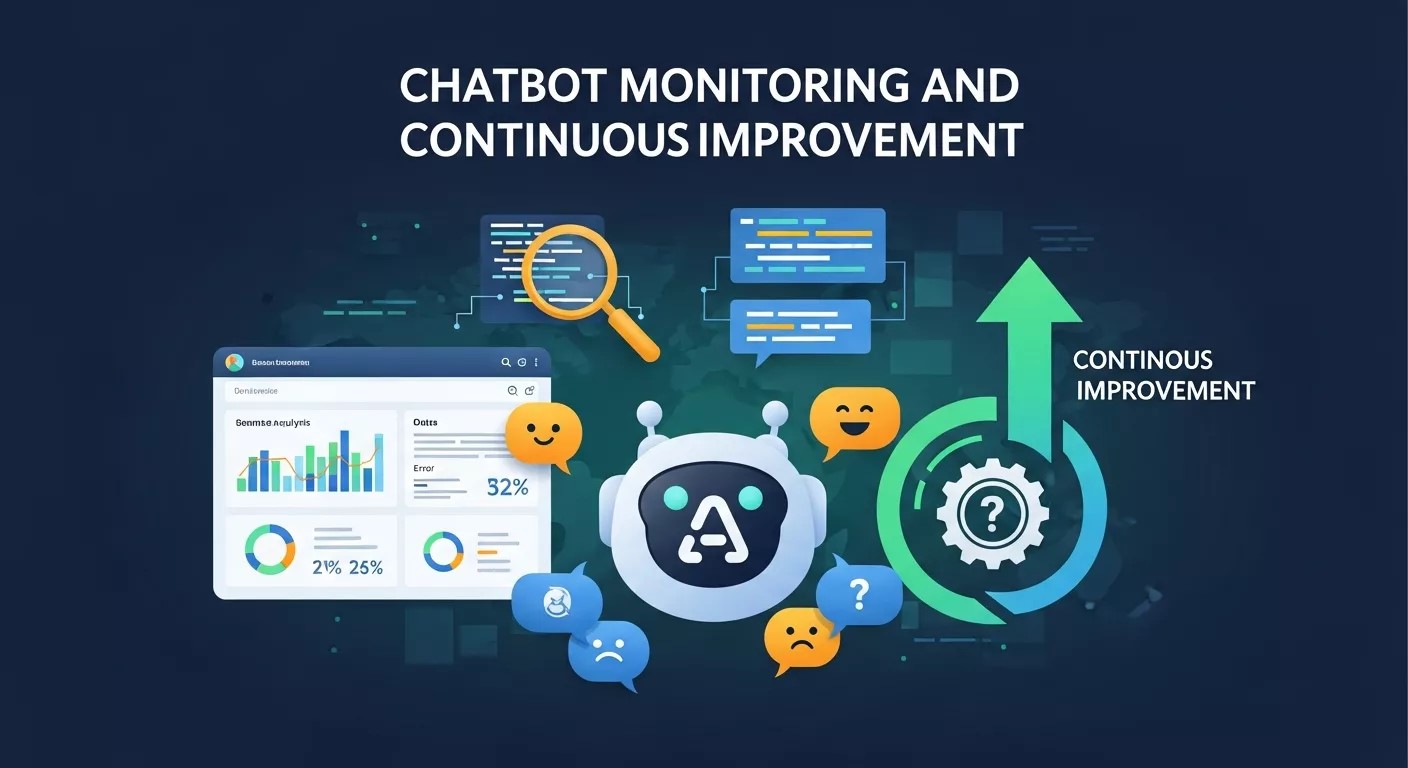
Chatbot monitoring and continuous improvement are essential after a chatbot goes live. Testing does not stop at deployment; real-world user interactions often reveal new issues, edge cases, and performance gaps. Through continuous monitoring, teams can track response accuracy, fallback rates, conversation drop-offs, and user satisfaction metrics. These insights help identify where the chatbot fails to understand intent or delivers suboptimal responses. Regular updates, retraining with fresh data, and ongoing testing ensure the chatbot adapts to evolving user behavior. Chatbot monitoring and continuous improvement also support long-term scalability and reliability. By combining analytics, user feedback, and repeated testing cycles, businesses can maintain a high-performing chatbot that consistently delivers value and meets user expectations over time.
Frequently Asked Questions (FAQ)
What is chatbot testing?
Chatbot testing is the process of evaluating a chatbot’s functionality, performance, security, and user experience. It ensures the chatbot understands user inputs correctly, provides accurate responses, and operates reliably under different conditions before and after deployment.
Why is chatbot testing important?
Chatbot testing is important because it helps prevent errors, misunderstandings, and poor user experiences. Proper testing reduces the risk of customer frustration, protects sensitive data, and ensures the chatbot aligns with business goals and user expectations.
What are the main types of chatbot testing?
The main types of chatbot testing include functional testing, performance testing, security testing, usability testing, and regression testing. Each type focuses on a different aspect of the chatbot’s behavior and overall reliability.
Can chatbot testing be automated?
Yes, chatbot testing can be partially automated. Tools like Botium, Selenium, and Postman allow teams to automate functional, regression, and API testing. However, manual testing is still essential for usability, conversational flow, and real-world scenarios.
How often should a chatbot be tested?
Chatbots should be tested continuously. Testing should occur during development, before deployment, and after every update or feature change. Ongoing testing helps maintain performance and adapt to changing user behavior.
What tools are best for chatbot testing?
Popular chatbot testing tools include Botium for end-to-end testing, Selenium for UI testing, Postman for API validation, and Chatbottest for conversation and intent testing. The best tool depends on your chatbot’s platform and complexity.
How do you test chatbot accuracy?
Chatbot accuracy is tested by validating how well it understands user intents and provides correct responses. This involves testing multiple variations of the same question, checking edge cases, and reviewing fallback responses when the chatbot is unsure.
Does chatbot testing help improve customer satisfaction?
Yes, effective chatbot testing directly improves customer satisfaction by ensuring faster responses, fewer errors, and smoother conversations. A well-tested chatbot builds trust and encourages users to engage more confidently.
What challenges are common in chatbot testing?
Common challenges include handling unexpected user inputs, testing natural language understanding, managing multi-language conversations, and ensuring consistent behavior across different platforms and devices.
Is chatbot testing required after deployment?
Absolutely. Post-deployment testing and monitoring are essential to identify real-world issues, track performance metrics, and continuously optimize the chatbot based on user feedback and analytics.


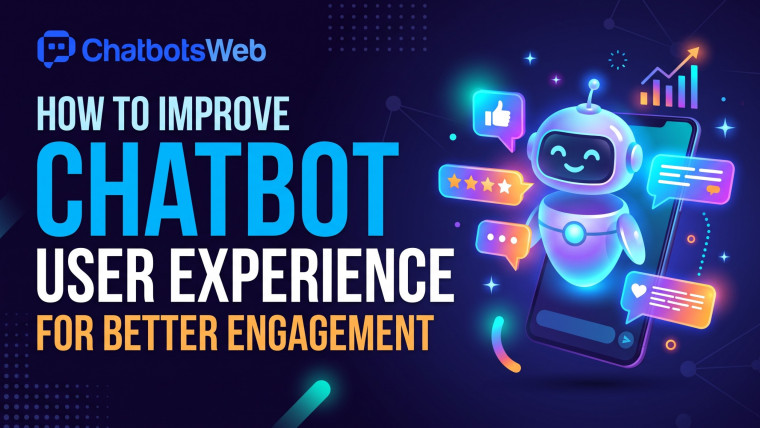

How to Improve Chatbot User Experience for Better Engagement
How AI Chatbots for eCommerce Help Businesses Increase Conversions
The Future of Generative AI Chatbots in Business Automation
How AI Chatbot Development Automates Business Communication