
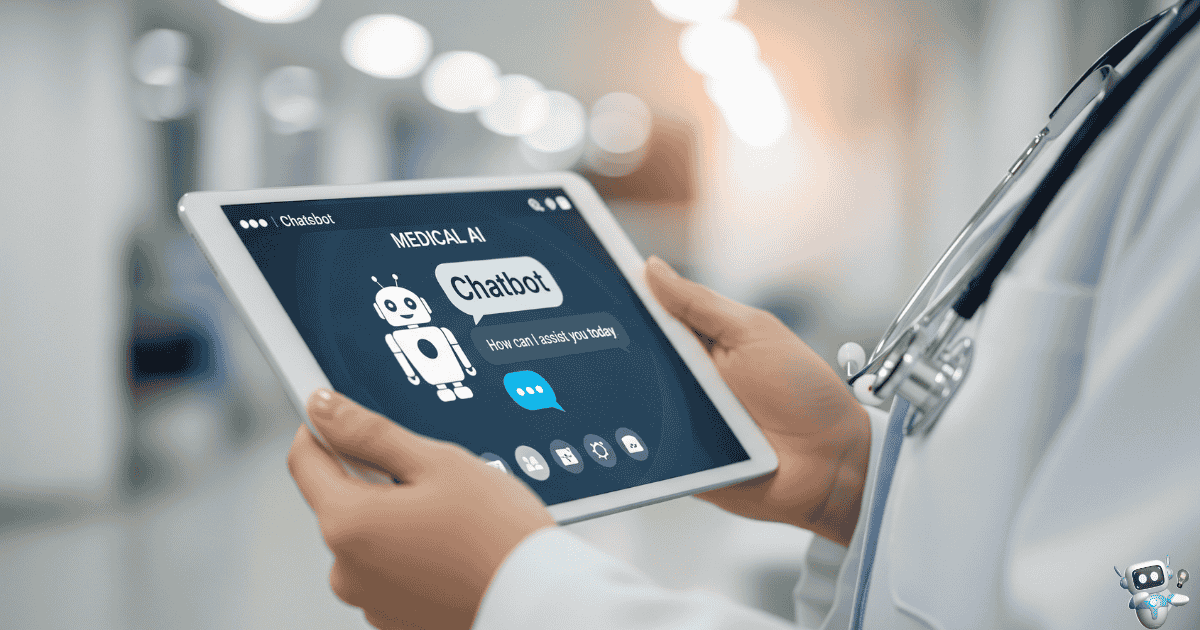
The healthcare industry is at a pivotal moment. Patients today expect instant, personalized support, yet hospitals and clinics worldwide face staff shortages, rising costs, and growing patient volumes. AI chatbots in healthcare have emerged as a transformative solution, helping medical institutions improve patient care, streamline administrative processes, and enhance patient engagement.
These intelligent virtual health assistants are no longer futuristic concepts. From appointment scheduling to symptom assessment and medication reminders, healthcare chatbots are proving indispensable for improving operational efficiency and delivering a better patient experience. Leading health systems report higher patient satisfaction scores and significant reductions in routine administrative workload after implementing AI-powered patient support solutions.
This guide dives into how medical AI chatbots are revolutionizing healthcare delivery, their key applications, and the strategic considerations for successful implementation. Whether you are a healthcare administrator, IT professional, or clinician, understanding the potential of chatbots in healthcare is essential to staying competitive in a rapidly evolving digital health landscape.
The Current State of Healthcare Communication
Healthcare systems face unprecedented challenges in patient communication and support. The average hospital receives thousands of calls daily, with many patients waiting extended periods for basic information about appointments, test results, or general health questions. This communication bottleneck creates frustration for patients and overwhelms administrative staff.
Traditional patient support methods struggle to meet modern expectations. Patients accustomed to instant responses from retail and service industries expect similar efficiency from their healthcare providers. Unfortunately, most healthcare organizations operate with limited resources, making 24/7 human-staffed support financially unfeasible.
These communication gaps directly impact patient outcomes. Studies show that patients who feel disconnected from their healthcare providers are less likely to follow treatment plans, attend follow-up appointments, or engage in preventive care. The cost of poor patient engagement extends beyond satisfaction scores—it affects health outcomes and increases overall healthcare costs.
Understanding AI Chatbots in Healthcare

What are AI chatbots in healthcare?
Healthcare chatbots are AI-powered virtual assistants that interact with patients via text or voice. They use natural language processing (NLP), machine learning, and medical databases to understand questions and provide accurate responses or guidance.
Unlike basic rule-based systems, modern AI chatbots in healthcare learn from each interaction. Over time, they improve at understanding context, recognizing symptoms, and offering relevant information. They also integrate with electronic health records, appointment systems, and other healthcare technologies to deliver personalized patient support.
Recent advances have made these tools even smarter. Features like sentiment analysis, multilingual support, and integration with wearable devices allow chatbots to interact in ways that feel natural and helpful—not robotic or frustrating.
Key Applications of Medical AI Chatbots
Appointment Scheduling and Management
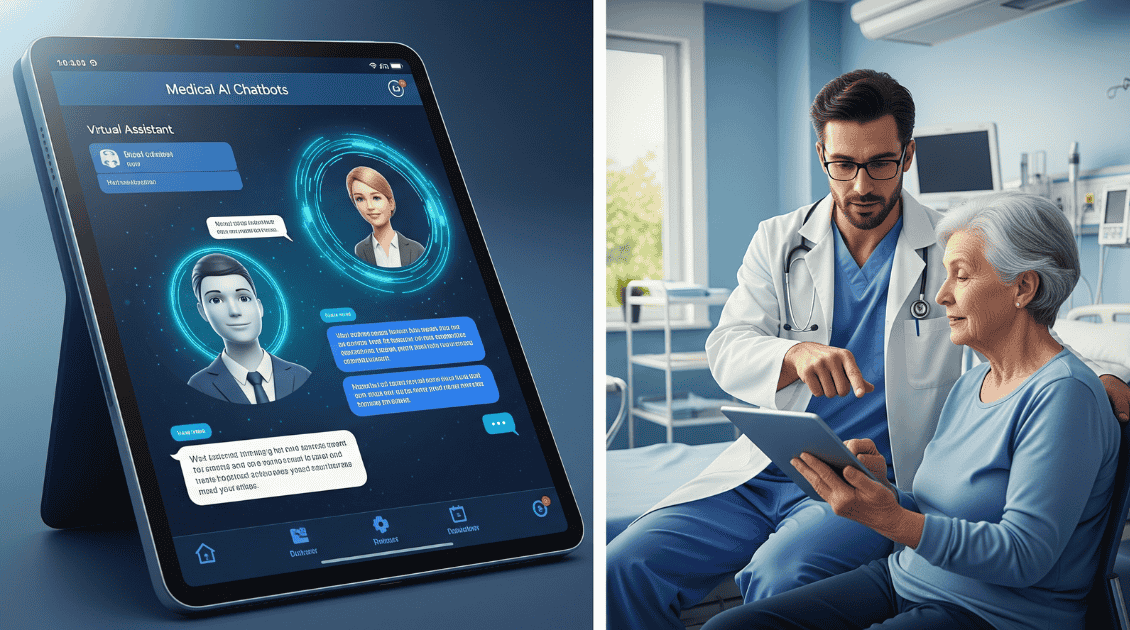
One of the most effective uses of an AI chatbots in healthcare is appointment management. A healthcare chatbot can handle booking, rescheduling, and cancellations without human intervention. Patients can schedule appointments anytime, receive confirmations, and get reminders—all through a simple conversational interface.
Advanced medical chatbots also consider provider availability, patient preferences, insurance requirements, and appointment types. They can manage complex scenarios like recurring appointments, specialist referrals, and urgent care needs. This automation helps reduce no-show rates, improve staff productivity, and optimize clinic schedules.
Symptom Assessment and Triage
Many medical chatbots include symptom assessment and triage capabilities. They guide patients through structured questionnaires, helping them understand when to seek urgent care, schedule routine visits, or try home remedies.
While these healthcare chatbots do not replace professional medical judgment, they provide valuable initial guidance. They are especially effective for common conditions, enabling patients to make informed decisions, improving patient engagement, and reducing unnecessary emergency room visits.
Medication Management
Medical chatbots also support medication adherence. They send reminders, answer questions about side effects, clarify dosage instructions, flag potential drug interactions, and remind patients to refill prescriptions.
This feature is particularly helpful for patients managing chronic conditions with multiple medications. Personalized reminders and educational content improve treatment adherence, patient outcomes, and overall health management.
Post-Treatment Follow-up
Healthcare chatbots excel at post-treatment care and remote patient monitoring. They check in with patients after procedures, collect symptom updates, and alert healthcare providers when necessary. Continuous monitoring helps detect complications early and ensures patients feel supported throughout recovery.
Automated follow-ups can handle hundreds of patients at once, freeing staff to focus on complex cases. The collected data also provides insights for improving treatment protocols, care coordination, and overall patient satisfaction.
Benefits for Healthcare Organizations
Operational Efficiency
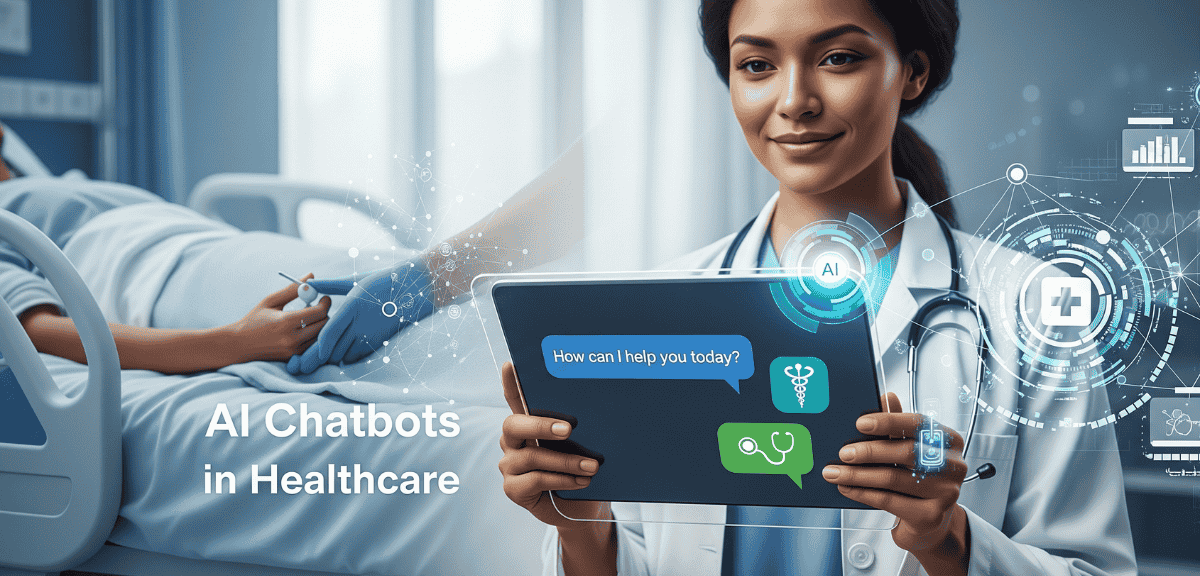
Healthcare chatbots dramatically reduce administrative workload. By handling routine inquiries, appointment scheduling, and basic patient education, they free up staff to focus on complex patient needs and clinical care. Many organizations report 40–60% reductions in routine phone calls after implementing comprehensive AI chatbots in healthcare.
This efficiency gain translates directly into cost savings. Reduced administrative overhead, fewer missed appointments, and optimized resource allocation contribute to healthier organizational performance. The scalability of AI-powered patient engagement allows healthcare providers to manage growing patient volumes without proportional increases in administrative staff.
Enhanced Patient Experience
Patients value the convenience and accessibility of healthcare chatbots. Available 24/7, these systems provide instant responses to common questions and seamless service delivery. Patient satisfaction scores typically improve after chatbot implementation, especially in areas related to communication, access to information, and care coordination.
The personalized nature of modern medical chatbots creates more engaging experiences. By accessing patient history and preferences, these systems deliver tailored information and guidance that feels relevant and helpful rather than generic.
Data Collection and Insights
AI-powered patient engagement generates valuable insights about patient needs, common concerns, and service gaps. Healthcare organizations can analyze chatbot interactions to identify trends, improve services, and make data-driven decisions about clinical workflows and resource planning.
This continuous feedback loop helps organizations remain responsive to patient needs and proactively address emerging issues. Insights gained from chatbot interactions often reveal opportunities for improving care delivery, treatment protocols, and overall patient experience that might otherwise go unnoticed.
Implementation Considerations
HIPAA Compliance and Security
Healthcare organizations must ensure their healthcare chatbot implementations meet strict privacy and security requirements. This includes secure data transmission, proper access controls, and comprehensive audit trails. Working with vendors experienced in healthcare regulations is essential for a successful deployment.
Security considerations go beyond basic compliance. Organizations should implement robust authentication methods, secure data storage, and regular security assessments to protect patient information throughout all chatbot interactions.
Integration with Existing Systems
Successful AI-powered healthcare chatbots require seamless integration with electronic health records (EHRs), appointment systems, and other healthcare technologies. This integration enables personalized interactions and ensures information consistency across all patient touchpoints.
Due to the complexity of healthcare systems, integration often requires specialized expertise and careful planning. Organizations should evaluate existing technology infrastructure and develop clear integration strategies before selecting chatbot platforms.
Staff Training and Change Management
Implementing AI-powered solutions in healthcare requires a comprehensive change management strategy. Staff need training on how chatbots complement their roles, when to escalate interactions to human providers, and how to leverage chatbot-generated insights to improve patient care.
Successful adoption involves including staff in the planning process and providing ongoing support as systems evolve. This collaborative approach ensures smooth adoption and maximizes the benefits of healthcare automation.
Dig Deeper: Chatbot vs Live Agent: Cost-Efficiency to Expect
The Future of Chatbots in Healthcare
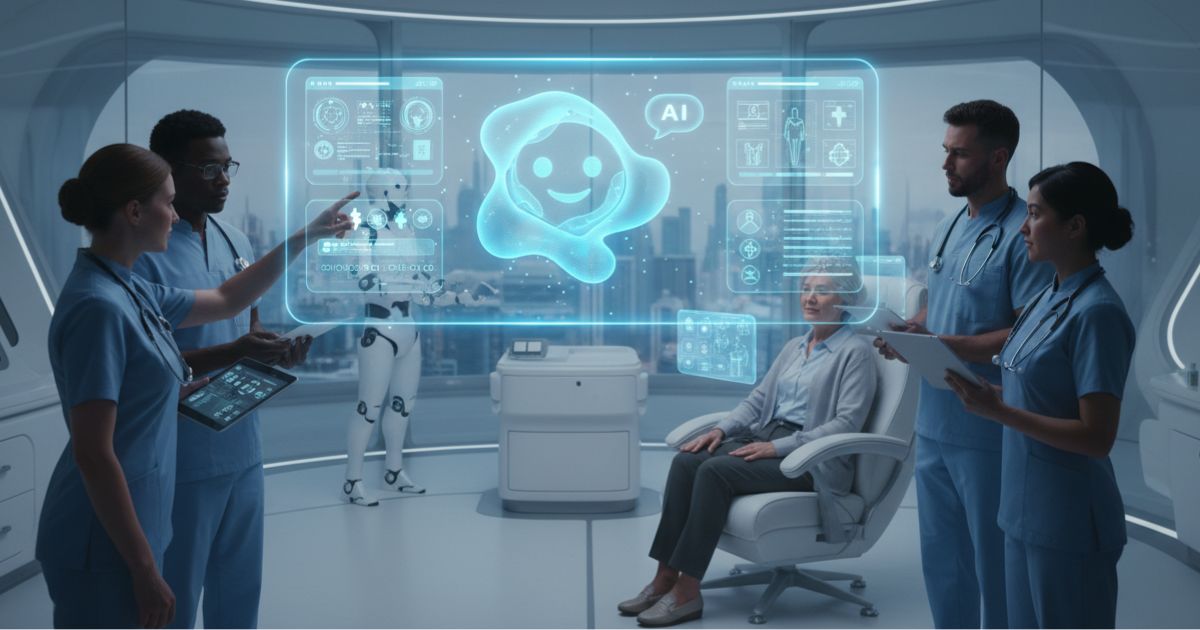
The evolution of chatbots in telemedicine continues accelerating, with new capabilities emerging regularly. Advanced Medical AI models are becoming better at understanding medical terminology, recognizing emotional cues, and providing empathetic responses that feel more human-like.
Integration with emerging technologies promises even greater capabilities. Medical AI chatbots connected to IoT devices, wearable technology, and remote monitoring systems will provide more comprehensive patient support. These integrated solutions will enable proactive care management and early intervention for health issues.
Healthcare digital transformation increasingly centers around AI-powered solutions that enhance both efficiency and patient outcomes. Organizations that invest in comprehensive chatbot strategies position themselves for success in an evolving healthcare landscape.
Measuring Success and ROI
Healthcare organizations implementing healthcare chatbots should establish clear metrics for success. Key performance indicators often include patient satisfaction scores, reduction in administrative calls, appointment no-show rates, and staff productivity.
Calculating return on investment (ROI) should consider both direct cost savings and indirect benefits such as improved patient outcomes, enhanced staff satisfaction, and better patient engagement. Many organizations report that chatbot implementations pay for themselves within 12–18 months through operational efficiency and streamlined AI-powered patient support.
Regular monitoring and optimization ensure chatbot systems continue delivering value. Organizations should track performance metrics, gather user feedback, and make continuous improvements to maximize their investment in AI for patient experience.
Embracing the Future of Healthcare Communication
AI chatbots in healthcare represent more than technological innovation—they embody a fundamental shift toward patient-centered, efficient healthcare delivery. Organizations that embrace these tools thoughtfully and strategically will find themselves better equipped to meet evolving patient expectations while managing operational challenges.
The journey toward comprehensive chatbot implementation requires careful planning, stakeholder buy-in, and ongoing commitment to optimization. However, the benefits—improved patient satisfaction, operational efficiency, and competitive advantage—make this investment essential for forward-thinking healthcare organizations.
As healthcare continues evolving, AI-powered patient engagement will become increasingly sophisticated and integral to quality care delivery. Organizations beginning their chatbot journey now will be best positioned to leverage future innovations and maintain their competitive edge in an increasingly digital healthcare landscape.
Conclusion
AI chatbots in healthcare are changing how patients and hospitals interact. These smart virtual assistants make communication faster, reduce administrative work, and help patients get personalized support anytime. From appointment scheduling to symptom assessment and medication reminders, chatbots improve patient engagement and satisfaction.
Healthcare organizations that adopt AI-powered patient support can save costs, optimize staff time, and provide better care. Integration with electronic health records and secure, HIPAA-compliant systems ensures patient data stays protected. As telemedicine and digital health continue to grow, medical chatbots will become even more important for efficient, patient-centered healthcare.
In short, AI chatbots are not just a technology trend—they are a key tool for improving healthcare delivery and supporting patients in a digital world.
FAQs
What are AI chatbots in healthcare and how do they work?
AI chatbots in healthcare are virtual assistants powered by artificial intelligence that interact with patients via text or voice. They use natural language processing and machine learning to understand patient questions, provide information, assist with appointments, and guide symptom assessment. These chatbots can integrate with medical records to deliver personalized support.
Can medical chatbots replace doctors or nurses?
No, medical chatbots cannot replace healthcare professionals. They are designed to support doctors and nurses by handling routine tasks like answering common questions, scheduling appointments, or providing basic symptom guidance. They improve efficiency and patient engagement but always defer critical medical decisions to trained professionals.
How do healthcare chatbots improve patient experience?
Healthcare chatbots provide 24/7 access to information, reduce waiting times, send appointment reminders, and offer personalized guidance. Patients can get instant support for routine inquiries, medication reminders, and follow-ups, which increases satisfaction, engagement, and adherence to treatment plans.
Are AI healthcare chatbots secure and HIPAA compliant?
Yes, reputable healthcare chatbots are designed to comply with HIPAA and other healthcare privacy regulations. They use secure data transmission, encryption, authentication protocols, and access controls to protect sensitive patient information throughout all interactions.
What are the benefits of using chatbots for hospital appointment scheduling?
Chatbots streamline appointment management by allowing patients to book, reschedule, or cancel appointments anytime. They consider doctor availability, patient preferences, and insurance details, reducing no-shows and administrative workload while improving overall efficiency for both patients and staff.

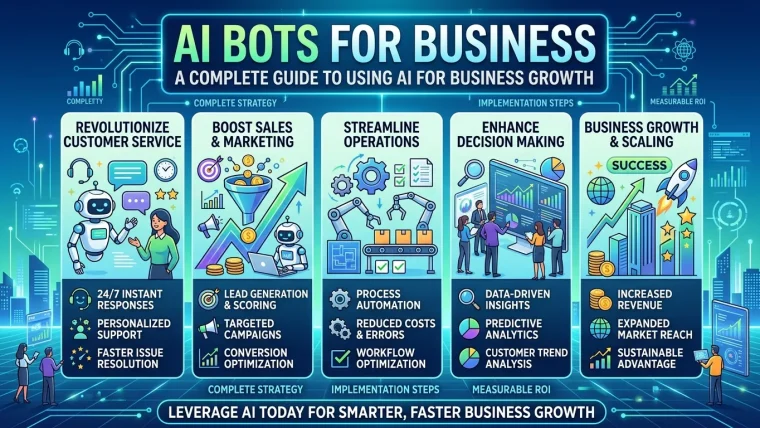

AI Bots for Business: A Complete Guide to Using AI for Business Growth
AI Chatbots in Supply Chain Management: Boost Efficiency
A/B Testing for Chatbots: Boost Engagement with Data
Smart Chatbots Revolutionizing Supply Chain Management