
A smart chatbot strategy goes beyond automation to drive conversions, build trust, and support customers in real time. By reducing friction, personalizing interactions, and scaling without losing the human touch, chatbots help businesses grow faster while improving long-term customer loyalty.
Chatbot Strategy for Businesses to Increase Conversions
In today’s hyper-competitive digital environment, businesses are no longer competing only on price or product quality. They are competing on experience, speed, personalization, and trust. Customers expect instant answers, seamless journeys, and consistent support across every touchpoint. This shift has pushed automation from a “nice-to-have” feature into a strategic necessity.
At the center of this transformation lies a well-designed Chatbot Strategy for Businesses. Not just any chatbot, but one that is intentionally built to guide users, remove friction, and convert interest into action. When executed correctly, chatbots do more than answer questions they influence decisions, shape perceptions, and directly impact revenue.
This guide explores how businesses can use chatbot strategy to increase conversions, strengthen customer relationships, and create scalable growth without sacrificing human connection.
The Conversion Gap Most Businesses Don’t See
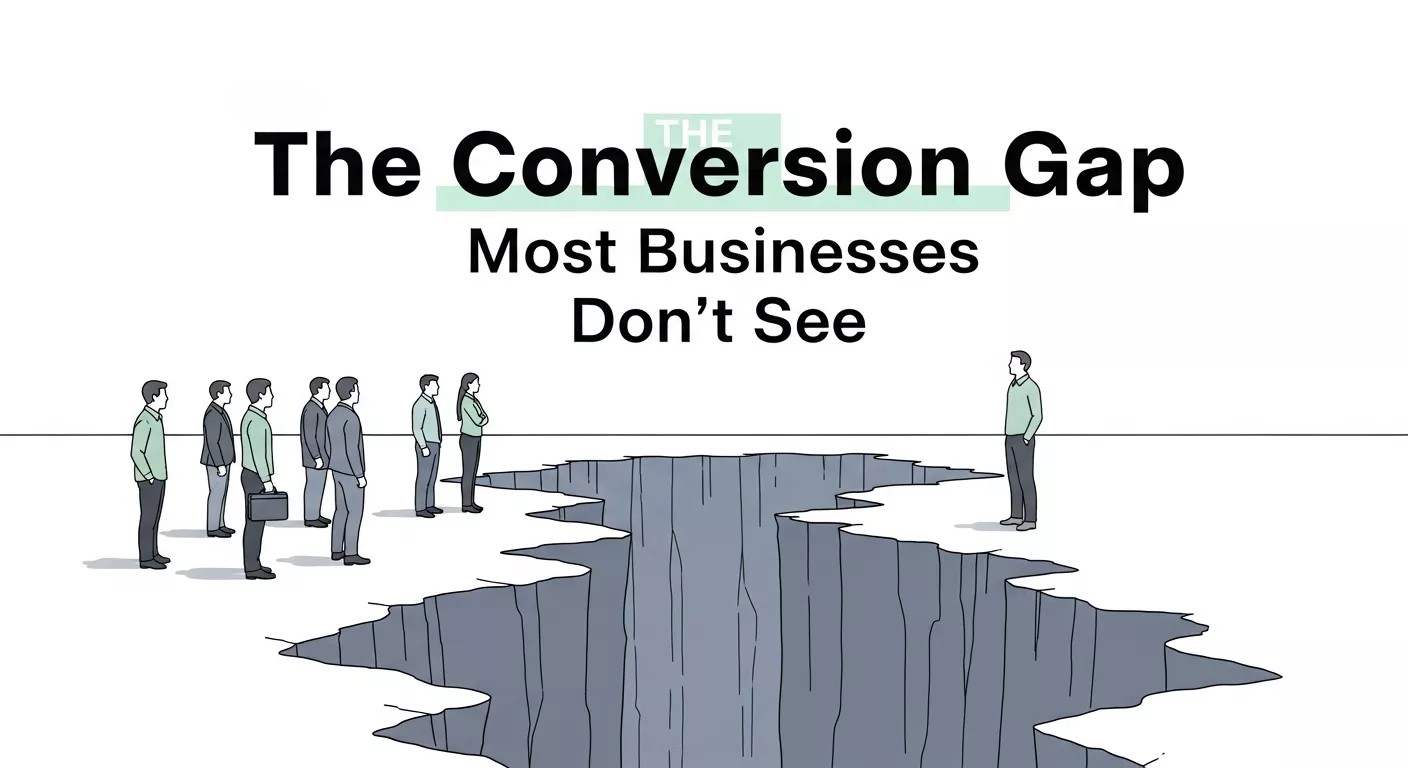
Many businesses invest heavily in traffic generation. Ads, SEO, social media, and partnerships drive visitors to websites and apps. Yet conversions remain inconsistent. The problem is rarely the traffic it’s the moment of hesitation.
Users arrive with questions, doubts, and intent, but no immediate assistance. Every unanswered question becomes friction. Every delay increases drop-off risk. Chatbots exist precisely at this critical moment, filling the gap between interest and action.
A strategic chatbot does not wait passively. It engages proactively, anticipates needs, and removes uncertainty before users even realize it exists.
From Automation Tool to Revenue Asset
Early chatbot strategies often failed because they focused only on reducing costs instead of supporting users. These chatbots were built to replace human agents, not to guide customers. Modern chatbot strategy changes this mindset by shifting the focus from workload reduction to user progress.
Today, effective chatbots are designed to understand intent and move users forward at every stage of the journey. They respond with relevant information, reduce hesitation during decision-making, and help users find the right solutions at the right time. This guidance minimizes drop-offs and increases conversion potential without feeling intrusive.
When chatbots deliver clear, consistent, and trustworthy responses, they reinforce confidence in the brand. Over time, this trust transforms automation into a revenue-generating asset rather than a simple efficiency tool.
Designing Conversations That Convert
Conversions are driven by clarity, not pressure. Users take action when they feel understood, confident, and supported throughout the conversation. A well-designed chatbot does not push decisions; it removes confusion and makes the next step feel natural.
High-converting chatbot conversations are built around small, intentional micro-decisions. Each reply gently guides users forward—helping them explore options, gain reassurance, or take action without feeling overwhelmed. Clear choices reduce hesitation, while timely reassurance addresses doubt before it turns into drop-off.
When a chatbot respects cognitive load by keeping conversations focused and easy to follow, users stay engaged longer and convert more naturally. Simplicity, not complexity, is what makes conversations effective.
Retention as a Conversion Multiplier
Retention is one of the most underestimated forces behind sustainable conversion growth. Returning users convert faster because trust is already established, friction is lower, and decision-making feels safer. Over time, these users not only convert more often but also spend more and engage more deeply with the brand.
Strategic chatbots strengthen this advantage by maintaining continuous, meaningful engagement. Through timely follow-ups, personalized reminders, and context-aware support, chatbots keep users connected even after the initial conversion. This is where Chatbots for Customer Retention evolve from a support tool into a true growth engine.
When chatbots guide users after purchase, reinforce value before renewals, and deliver relevant content based on behavior, retention stops being passive. It actively amplifies every future conversion opportunity.
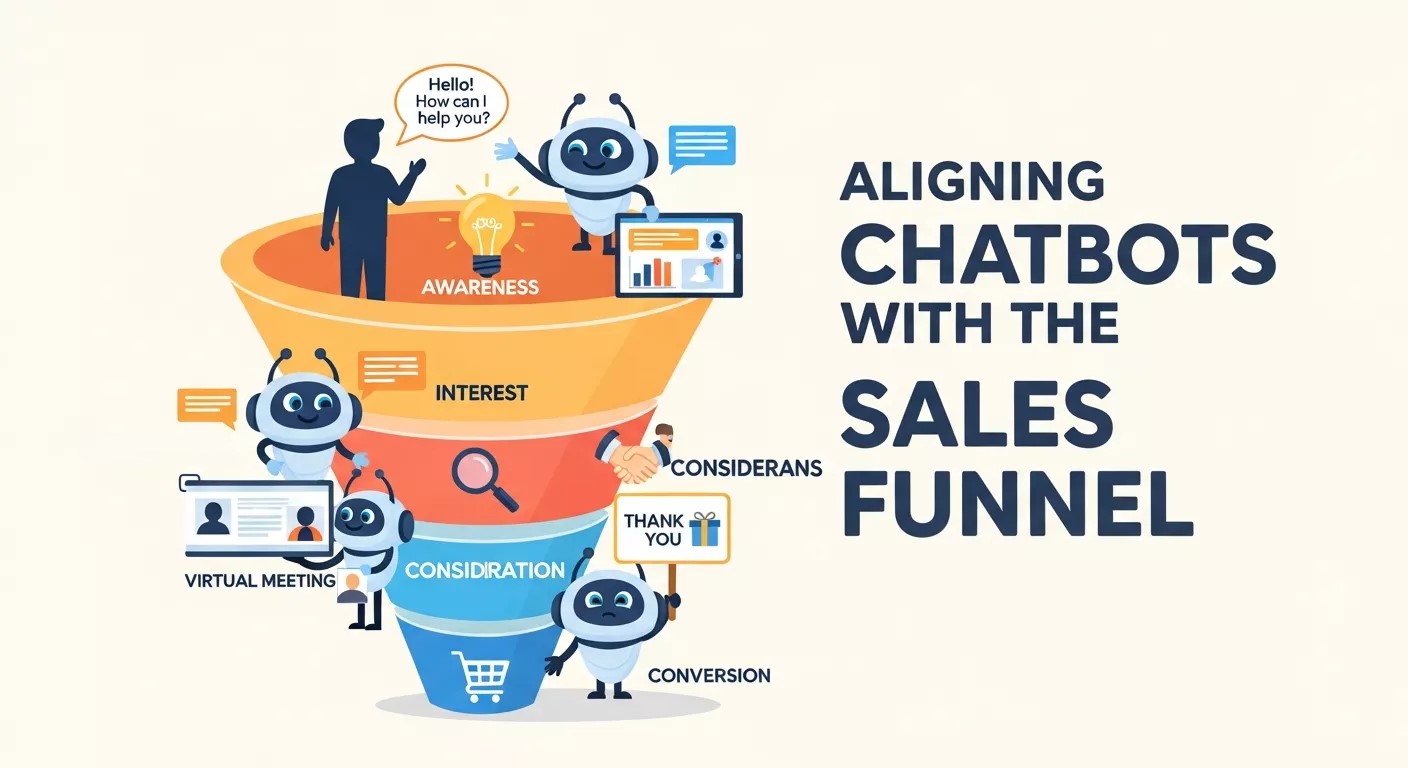
Aligning Chatbots with the Sales Funnel
Why Real-Time Support Drives Decisions
Trust, Tone, and Psychological Safety
Trust is the foundation of every successful conversion. Users move forward only when they feel understood, respected, and safe while interacting with a brand.
Chatbot tone directly shapes this trust. Responses that sound too robotic can feel cold and dismissive, while overly casual language may reduce credibility. High-converting chatbots strike a careful balance, combining warmth with professionalism and clarity.
Psychological safety increases when a chatbot is transparent about limitations, acknowledges uncertainty, and offers human support without friction. Instead of forcing conversations forward, effective chatbots let users stay in control. This sense of control builds confidence, reduces resistance, and creates the trust necessary for meaningful engagement and conversion.
Reducing Drop-Off at Critical Moments
Drop-offs rarely happen because users lose interest. Most of the time, they happen because of uncertainty, confusion, or unanswered questions at critical moments. Cart abandonment, incomplete forms, and missed demos are usually signals that users needed reassurance, not pressure.
Strategic chatbots step in precisely at these moments with supportive guidance. Instead of interrupting aggressively, they offer help, clarify pricing or feature doubts, and simplify decision-making by presenting concise explanations rather than overwhelming users with long pages. These small conversational interventions remind users of value and intent, often preventing hesitation from turning into abandonment.
In many cases, subtle chatbot nudges outperform major design overhauls because they address the psychological friction users feel in real time.
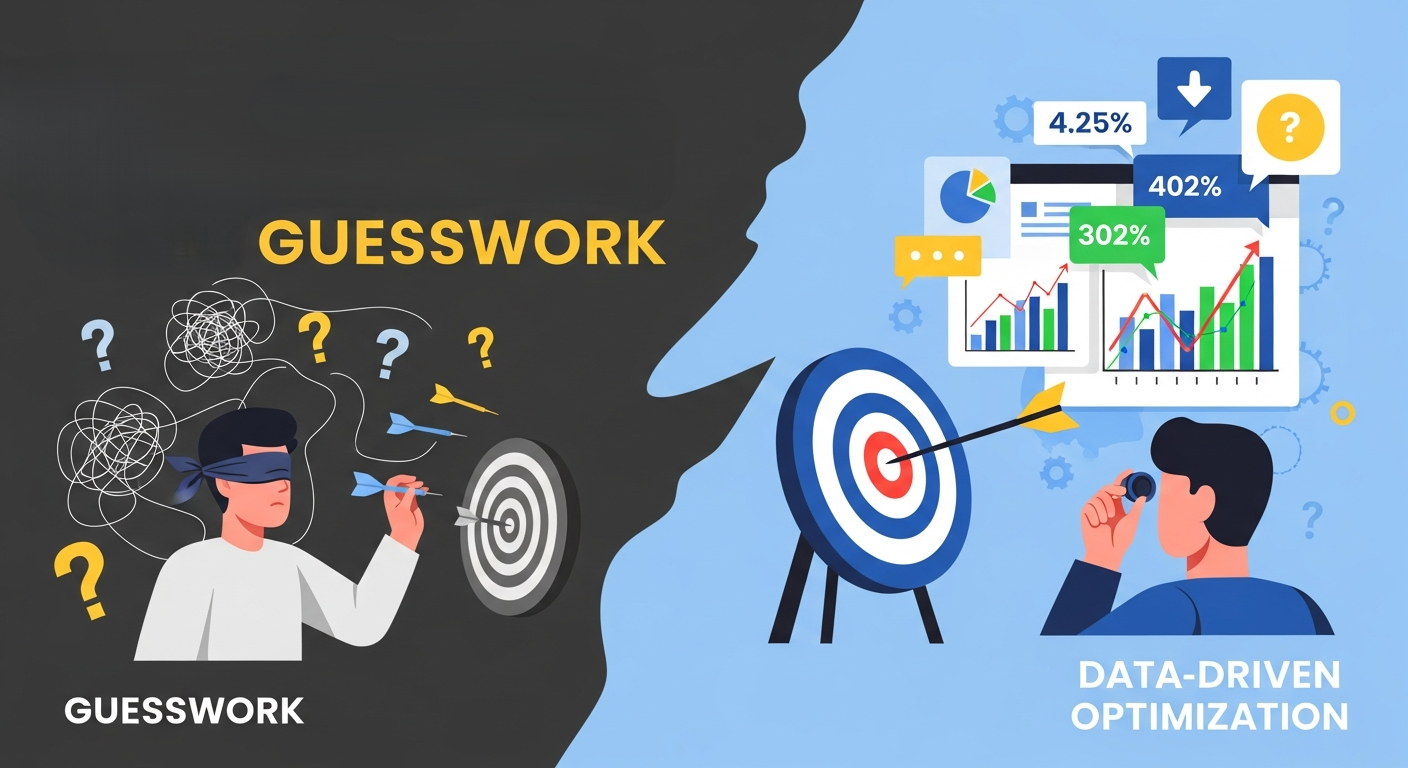
Data-Driven Optimization Over Guesswork
Scalability Without Losing the Human Touch
Scalability does not have to come at the cost of human connection. When automation feels cold, the issue is rarely the chatbot itself but how it has been designed and deployed. A thoughtful chatbot strategy defines clear boundaries, allowing automation to handle efficiency while humans step in where empathy and judgment matter most.
By ensuring seamless transitions to human agents, preserving conversation context, and respecting user preferences, chatbots can scale support without breaking trust. When users feel that automation is assisting rather than replacing human help, interactions remain personal, supportive, and reliable even at scale.
External Knowledge as Authority Signals
High-converting chatbot experiences often reference trusted sources, industry standards, or best practices. This reinforces credibility and reduces perceived risk.
Using informational references such as industry benchmarks, research insights, compliance guidelines, or expert recommendations strengthens user confidence. These moments also create natural opportunities for external linking within content ecosystems.
Authority reduces friction. Confidence follows.
The Competitive Advantage Most Brands Miss
Many businesses deploy chatbots simply because competitors have them. Few invest in strategy. This creates a massive opportunity gap.
A well-executed Chatbot Strategy for Businesses is difficult to replicate because it combines psychology, data, tone, timing, and integration. It becomes part of the brand experience, not just a feature.
Brands that master this early build defensibility that extends beyond pricing or features.
Aligning Chatbot Strategy with Core Business Objectives
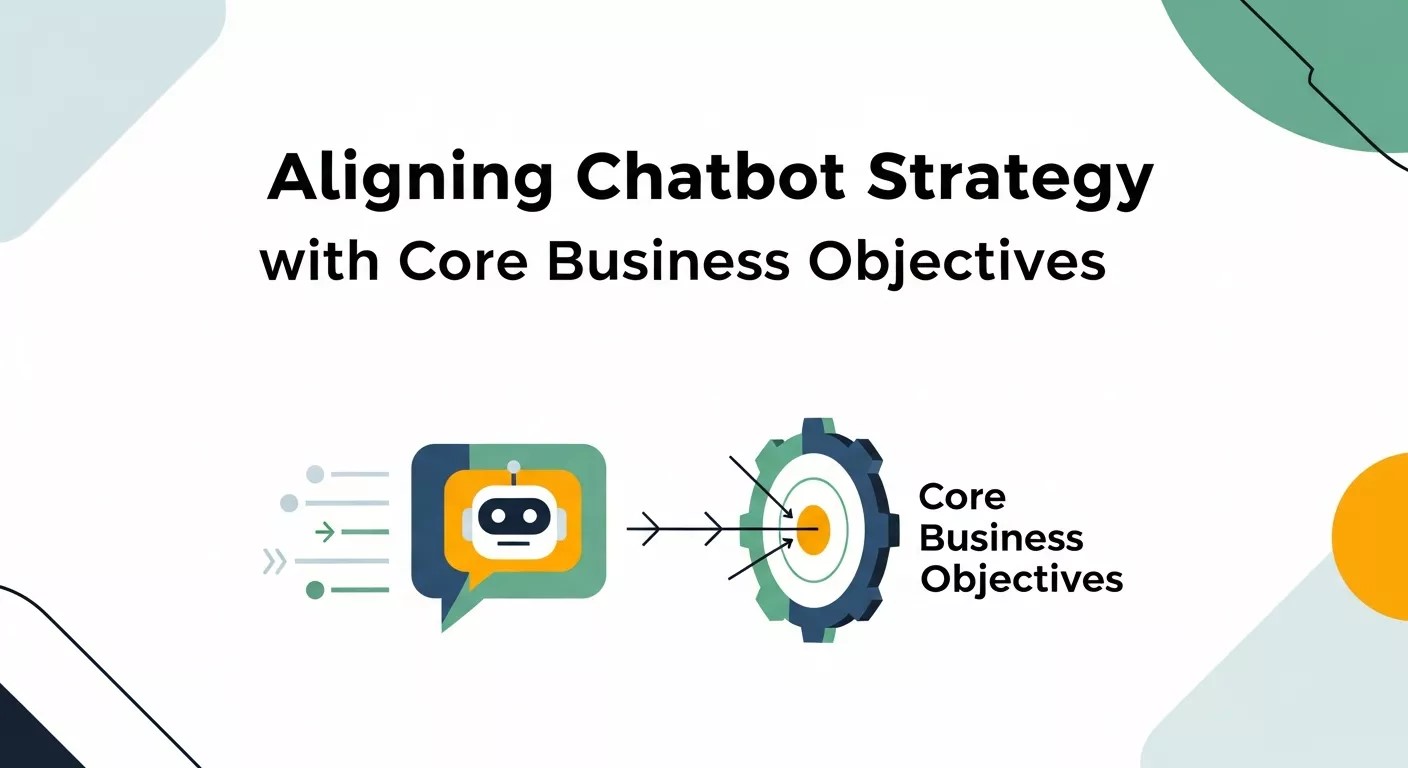
Many chatbot initiatives fail not because of technology limitations, but because they lack strategic alignment. When a chatbot is built without a clear connection to business objectives, it becomes a passive tool rather than an active growth driver.
An effective chatbot strategy begins by defining what success looks like. Whether the goal is increasing qualified leads, shortening the sales cycle, improving customer retention, or reducing support friction, each chatbot interaction should support a measurable outcome. When conversations are intentionally designed around business priorities, chatbots move beyond automation and become decision-shaping assets.
Eliminating Friction Points Across the Digital Journey
Most conversions are not lost due to major obstacles, but because of small, cumulative moments of friction. Unclear messaging, unanswered questions, delayed responses, or overwhelming choices can quietly push users away.
Strategic chatbots identify and address these friction points in real time. By offering contextual assistance at critical moments, chatbots reduce uncertainty and cognitive effort. The result is a smoother journey where users feel supported rather than pressured, increasing the likelihood of forward momentum and conversion.
Preserving Human Connection Within Automated Systems
A common concern about automation is the loss of human connection. In reality, the issue is not automation itself, but poor design. Strategic chatbot implementation prioritizes human oversight and thoughtful escalation.
By clearly defining when automation should step aside and allow human intervention, businesses maintain emotional intelligence within their customer experience. Seamless transitions, preserved context, and transparent communication ensure that users never feel trapped in an automated loop. This balance strengthens trust rather than diminishing it.
The Compounding Effect of Strategic Chatbot Implementation
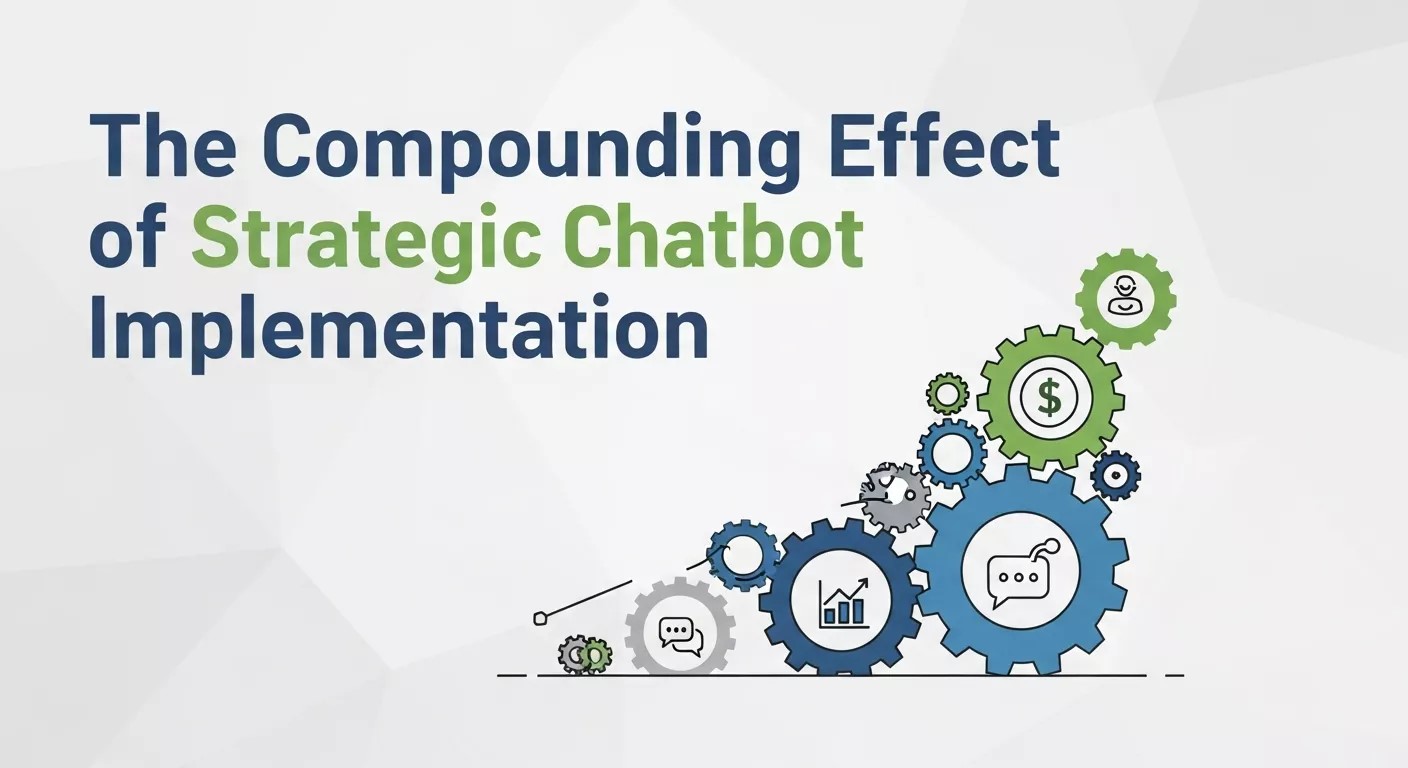
The true value of chatbots is not immediate, but cumulative. Each interaction generates insights, improves accuracy, and strengthens alignment between user needs and business goals. Over time, these improvements compound.
Businesses that invest in strategic chatbot optimization experience more than increased conversions. They build resilient systems that scale efficiently, deliver consistent experiences, and continuously improve through data-driven learning. This long-term advantage is difficult for competitors to replicate.
Conclusion
Increasing conversions is not about forcing decisions. It is about removing uncertainty at the right moments. A strategic chatbot does exactly that by guiding users, answering questions, and reinforcing trust when it matters most.
When businesses treat chatbots as strategic assets rather than tactical tools, the results compound. Engagement improves. Funnels become smarter. Relationships last longer.
A thoughtful chatbot strategy does not replace human connection it enhances it. And in a world where attention is scarce and expectations are high, that enhancement makes all the difference.
Frequently Asked Questions (FAQ)
What is a chatbot strategy for businesses?
A chatbot strategy defines how automated conversations support business goals such as lead generation, conversions, customer retention, and support efficiency. It focuses on when, where, and how chatbots interact with users rather than just deploying automation.
How do chatbots help increase conversions?
Chatbots increase conversions by providing instant responses, guiding users through decision-making, reducing confusion, and removing friction at critical moments like cart abandonment or form completion.
Can chatbots replace human sales or support teams?
No. Effective chatbot strategies are designed to support human teams, not replace them. Chatbots handle repetitive tasks and qualification, while complex or emotional conversations are escalated to human agents.
Are chatbots effective for customer retention?
Yes. Chatbots help retain customers through proactive follow-ups, personalized support, onboarding guidance, and timely reminders. Returning users engage faster and convert more easily when supported consistently.
How do chatbots integrate with CRM systems?
When connected to a CRM, chatbots can personalize conversations using past interactions, score leads in real time, and pass full context to sales teams. This creates smoother funnels and higher-quality conversions.
Do chatbots negatively impact customer trust?
Only when poorly implemented. Well-designed chatbots build trust by being transparent, respectful, secure, and easy to escalate to human support when needed.
How long does it take to see results from a chatbot strategy?
Many businesses see improvements in engagement and response time immediately. Conversion and revenue impact typically become measurable within a few weeks as data-driven optimizations are applied.
Is chatbot strategy suitable for small businesses?
Yes. Chatbots are scalable and cost-effective, making them especially valuable for small and growing businesses that need 24/7 support without expanding staff.





AI Chatbots for CRM: Boost Customer Engagement & Loyalty
Transforming Employee Onboarding with AI Chatbots: A Step-by-Step Guide
Emergency Response Chatbots: Revolutionizing Crisis Management with AI
Revolutionizing Recruitment: How Chatbots Streamline Hiring Processes and Elevate Talent Acquisition