
Why Choosing a Chatbot Is Now a Strategic Business Decision

Chatbots for Modern Businesses are no longer experimental tools reserved for tech-first companies. They have become a strategic layer of how brands communicate, sell, support, and scale in a fast-moving digital economy. From startups to global enterprises, businesses are increasingly relying on conversational AI to meet rising customer expectations for speed, availability, and personalization.
However, choosing a chatbot today is not just a technical decision it is a business, brand, and experience decision. The wrong chatbot can quietly increase friction, damage trust, and create long-term operational problems. The right chatbot, on the other hand, can become a growth accelerator when aligned with business goals and human behavior.
This guide explores Chatbots for Modern Businesses through a practical, psychology-driven, and future-focused lens. Instead of hype, it focuses on what truly matters when selecting a chatbot in today’s business environment.
Why Chatbots for Modern Businesses Are No Longer Optional
Customer behavior has fundamentally changed. People expect immediate responses, clear answers, and seamless interactions regardless of time zones or business hours. Modern businesses operate in an always-on economy, where delays directly impact conversions, satisfaction, and loyalty.
Chatbots for Modern Businesses emerged as a response to these expectations. They provide scalable support, automate repetitive tasks, and extend brand presence beyond human limitations. But adoption alone does not guarantee success.
Many businesses install chatbots quickly, guided by vendor promises rather than strategic clarity. This is where problems begin. Automation without intent often leads to shallow interactions, frustrated customers, and misaligned outcomes.
Understanding Business Intent Before Choosing a Chatbot
Before evaluating features, integrations, or AI capabilities, modern businesses must first clarify intent. Not all chatbots serve the same purpose, and mismatched intent is one of the most common causes of failure.
Some chatbots are designed for lead generation. Others focus on customer support, onboarding, internal operations, or transactional assistance. Choosing a chatbot without defining its primary role leads to diluted performance.
A strong Chatbot Strategy for Businesses begins with clear answers to foundational questions:
- What problem is the chatbot solving?
- Which customer journey stage will it support?
- Is the goal efficiency, experience, or revenue?
- How will success be measured?
Without this clarity, even advanced chatbots struggle to deliver meaningful value.
Human Psychology and Chatbot Expectations
Chatbots for Modern Businesses operate at the intersection of technology and human psychology. Users approach Chatbots For Modern Businesses with mixed expectations they want speed, but they also want understanding. They accept automation, but only when it feels helpful rather than obstructive.
Modern users subconsciously evaluate chatbots on three psychological dimensions:
- Responsiveness
- Relevance
- Respect
A chatbot that responds quickly but ignores context fails relevance. A chatbot that provides correct answers but blocks human escalation fails respect. These psychological mismatches create friction that businesses often misinterpret as technical failure.
Understanding user psychology is essential when designing conversational flows, escalation paths, and tone.
Customization Over Templates
Many chatbot platforms offer pre-built templates. While templates accelerate deployment, over-reliance on them leads to generic experiences. Customers quickly recognize scripted flows and repetitive phrasing.
Chatbots for Modern Businesses must reflect brand voice, customer language, and contextual awareness. Customization is not cosmetic it is strategic.
Key customization elements include:
- Tone aligned with brand identity
- Language matching customer sophistication
- Context-aware System
- Flexible conversation paths
A chatbot that sounds human does not pretend to be human it communicates with clarity, empathy, and relevance.
Data Handling and Trust Signals
Every chatbot interaction generates data. Names, preferences, questions, complaints, and behavioral signals flow through conversational systems daily. For modern businesses, data is both an asset and a liability.
Customers are increasingly aware of how their data is used. Trust is built when chatbots clearly communicate what information is collected and why. It erodes when transparency is missing.
This is where many organizations encounter The Dark Side of Chatbots Hidden Business And Brand Risks. Poor data governance, unclear disclosures, and weak security practices can transform helpful automation into reputational risk.
Chatbots for Modern Businesses must be designed with trust as a core feature, not an afterthought.
Integration With Existing Business Systems
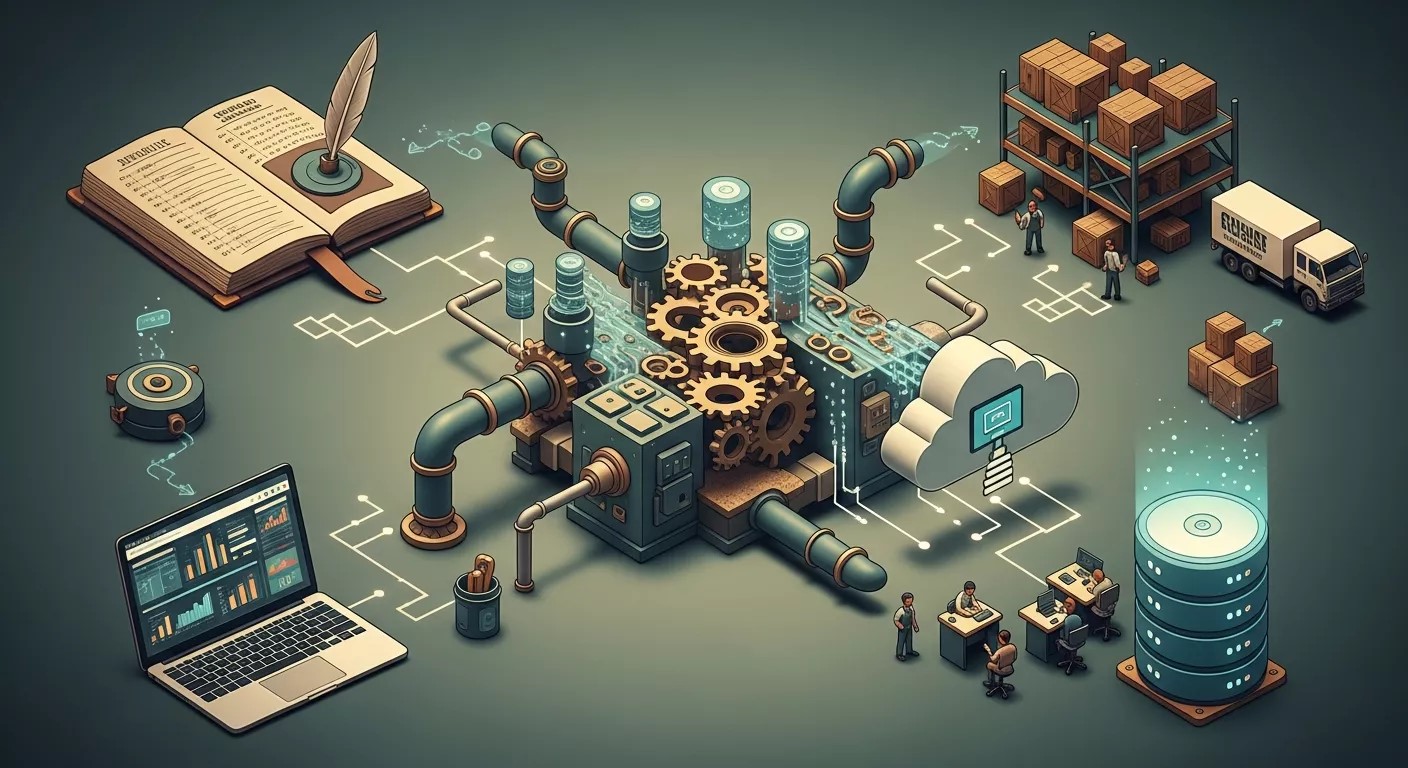
A chatbot that operates in isolation delivers limited value. Real impact comes when chatbots integrate seamlessly with CRM systems, support platforms, analytics tools, and internal workflows.
Modern businesses should evaluate how chatbots:
- Sync with customer databases
- Update lead and ticket statuses
- Trigger internal actions
- Share insights across teams
Poor integration creates fragmented experiences where customers repeat information and teams lose visibility. Strong integration transforms chatbots into intelligent connectors across the organization.
Why Chatbot Demo Essential for Your Business
One of the most overlooked steps in chatbot selection is hands-on testing. A polished sales pitch does not reflect real-world performance.
A Chatbot Demo Essential for Your Business allows decision-makers to:
- Experience conversation flow firsthand
- Test edge cases and unusual queries
- Evaluate tone and escalation behavior
- Identify friction points early
Demos reveal how chatbots behave under pressure not just in ideal scenarios. Skipping this step increases the risk of post-deployment disappointment.
Scalability Without Losing Quality
Growth introduces complexity. More users mean more queries, more edge cases, and more expectations. Chatbots for Modern Businesses must scale without degrading experience.
Scalability is not just about handling volume it is about maintaining quality under load. Businesses should assess whether a chatbot:
- Learns from new interactions
- Adapts to changing customer behavior
- Maintains response accuracy over time
Scalable chatbots evolve alongside the business instead of becoming outdated quickly.
Chatbot Call Centers Matter for Modern Businesses
As support models evolve, chatbots are increasingly embedded within digital call centers. They act as first responders, triage agents, and routing systems.
Chatbot Call Centers Matter for Modern Businesses because they:
- Reduce wait times
- Filter repetitive requests
- Support human agents with context
- Improve resolution speed
However, forcing automation without intelligent handoff damages customer experience. Successful call center chatbots complement human agents rather than replace them.
Measuring Success Beyond Basic Metrics

Many businesses evaluate chatbots using surface-level metrics like response time or interaction volume. While useful, these metrics do not capture true effectiveness.
Modern measurement frameworks include:
- Resolution quality
- Escalation accuracy
- Customer sentiment
- Post-interaction satisfaction
Chatbots for Modern Businesses should be evaluated based on outcomes, not activity.
Ethical Design and Long-Term Brand Impact
As chatbots become more persuasive, ethical considerations grow more important. Users are sensitive to manipulation, hidden intent, and artificial urgency.
Ethical chatbot design focuses on:
- Honest communication
- Clear disclosure of automation
- Fair decision-making
- Respect for user autonomy
Ignoring ethics accelerates short-term gains at the expense of long-term trust.
Future-Proofing Chatbots for Modern Businesses
Technology evolves rapidly. Chatbots chosen today must adapt to tomorrow’s expectations. This includes regulatory changes, customer sophistication, and advances in AI.
Future-proof chatbots support:
- Continuous learning
- Transparent governance
- Modular upgrades
- Human oversight
Businesses that view chatbots as living systems not static tools are better positioned for sustainable growth.
The Strategic Perspective
Chatbots for Modern Businesses succeed when strategy leads technology. Automation works best when guided by empathy, clarity, and responsibility.
Choosing the right chatbot is not about finding the most advanced AI it is about finding the most aligned solution for your business, customers, and brand values.
Modern businesses that invest thoughtfully in chatbot strategy build experiences that scale trust, not just efficiency.
Conversational UX and Flow Architecture
One of the most underestimated success factors for Chatbots for Modern Businesses is conversational user experience design. Unlike traditional interfaces, chatbots rely entirely on flow, timing, and linguistic clarity. Poorly designed flows confuse users, increase drop-offs, and reduce trust.
Effective conversational UX focuses on:
- Clear intent recognition
- Minimal cognitive load
- Logical conversation branching
- Predictable escalation paths
Businesses that invest in conversational architecture treat chatbots as experience products, not just automation tools.
Omnichannel Consistency Across Touchpoints
Modern customers interact with brands across websites, apps, messaging platforms, and social channels. Chatbots for Modern Businesses must maintain consistency across these environments.
Inconsistent chatbot behavior across channels creates confusion. A user who receives helpful responses on a website but rigid automation on messaging apps perceives the brand as fragmented.
Omnichannel chatbot strategies ensure:
- Unified tone and behavior
- Shared conversation memory
- Cross-platform context continuity
Consistency reinforces brand reliability at scale.
Training Data Quality and Continuous Improvement
Chatbots learn from data, but data quality determines outcome quality. Businesses often underestimate the impact of training data relevance, freshness, and diversity.
Outdated or narrow datasets lead to:
- Misinterpreted intent
- Repetitive answers
- Increased fallback responses
Chatbots for Modern Businesses require continuous training cycles supported by real interaction insights and human review.
Human-in-the-Loop as a Strategic Advantage
Pure automation is fragile. Human-in-the-loop systems introduce resilience and intelligence into chatbot operations.
This approach allows:
- Human review of complex interactions
- Real-time correction of errors
- Ethical oversight
- Adaptive learning
Rather than slowing systems down, human involvement increases long-term efficiency and trust.
Analytics That Go Beyond Dashboards
Most chatbot platforms provide dashboards, but raw metrics rarely tell the full story. Businesses must analyze conversations qualitatively, not just quantitatively.
Advanced analytics for Chatbots for Modern Businesses include:
- Intent success rates
- Conversation abandonment patterns
- Sentiment shifts over time
- Human escalation effectiveness
These insights drive continuous optimization and smarter decision-making.
Managing Expectations Through Transparency
Transparency shapes user perception. Clearly communicating that a user is interacting with a chatbot reduces frustration and builds trust.
Transparent chatbot design includes:
- Disclosure of automation
- Clear limitations
- Honest escalation messaging
When expectations align with reality, satisfaction increases even when automation has limits.
Budgeting for Total Cost of Ownership
Initial chatbot costs represent only a fraction of long-term investment. Maintenance, training, compliance, and optimization contribute to total cost of ownership.
Modern businesses evaluate chatbots based on:
- Long-term ROI
- Support requirements
- Upgrade flexibility
- Vendor dependency risks
This financial clarity prevents automation regret later.
Competitive Differentiation Through Smart Automation

When implemented strategically, chatbots differentiate brands rather than commoditize them.
Chatbots for Modern Businesses become competitive assets when they:
- Solve real customer problems
- Respect user intent
- Enhance not replace human support
Differentiation comes from thoughtful design, not flashy features.
Building Organizational Readiness for Chatbots
Technology adoption fails when organizations are unprepared. Successful chatbot implementation requires cross-functional alignment.
Key readiness factors include:
- Clear ownership
- Internal training
- Feedback loops
- Governance frameworks
Chatbots succeed when teams understand their role in supporting automation.
Chatbots as Living Business Systems
The most successful Chatbots for Modern Businesses are treated as evolving systems. They adapt to new products, new customers, and new expectations.
Viewing chatbots as living systems encourages:
- Continuous iteration
- Ethical accountability
- Experience-driven optimization
This mindset transforms chatbots from tools into long-term business capabilities.
Aligning Chatbots for Modern Businesses with Customer Psychology
One of the most overlooked factors when implementing Chatbots for Modern Businesses is customer psychology. Technology alone does not create satisfaction how users feel during an interaction matters just as much as speed or accuracy.
Modern customers approach chatbots with mixed expectations. They want instant answers, but they also want to feel understood. If Chatbots for Modern Businesses respond too rigidly, too quickly, or without contextual awareness, users perceive the experience as dismissive rather than helpful.
Successful Chatbots for Modern Businesses are designed around behavioral triggers:
-
Clear intent recognition
-
Emotional tone matching
-
Context-aware responses
-
Smooth transitions to human support
When chatbots respect human psychology, they reduce frustration instead of amplifying it turning automation into assistance rather than obstruction.
Integration Challenges in Chatbots for Modern Businesses
Many businesses underestimate how deeply Chatbots for Modern Businesses must integrate into existing systems to function effectively. A chatbot that operates in isolation quickly becomes a bottleneck instead of a solution.
Modern Chatbots for Modern Businesses should integrate with:
-
CRM platforms
-
Customer support tools
-
Order management systems
-
Knowledge bases
-
Analytics dashboards
Without proper integration, chatbots provide fragmented answers, outdated information, or repetitive questions. This disconnect creates a poor customer experience and reduces internal efficiency.
Strategic integration ensures Chatbots for Modern Businesses deliver consistent, accurate, and context-rich conversations across every touchpoint.
Scalability and Growth Readiness of Chatbots for Modern Businesses
Scalability is a defining requirement for Chatbots for Modern Businesses, yet many organizations choose tools that work today but fail tomorrow.
As businesses grow, chatbots must handle:
-
Higher conversation volumes
-
Multiple languages and regions
-
Complex user intents
-
New products and services
Chatbots for Modern Businesses that are not built with scalability in mind eventually require costly replacements or complete redesigns. This disrupts operations and resets customer learning curves.
Growth-ready Chatbots for Modern Businesses evolve alongside the business supporting expansion without sacrificing experience quality.
Measuring Success Beyond Automation Metrics
Most businesses evaluate Chatbots for Modern Businesses using surface-level metrics like response time or deflection rate. While useful, these numbers don’t tell the full story.
Effective measurement of Chatbots for Modern Businesses should include:
-
Customer satisfaction trends
-
Escalation quality
-
Resolution accuracy
-
Repeat interaction reduction
-
Brand sentiment signals
When success is measured holistically, Chatbots for Modern Businesses shift from cost-saving tools to experience-driven assets that support long-term loyalty.
Governance and Human Oversight in Chatbots for Modern Businesses
Automation without governance is where many chatbot strategies fail. Chatbots for Modern Businesses must operate within clearly defined rules, accountability structures, and review cycles.
Human oversight ensures:
-
Ethical response behavior
-
Bias detection and correction
-
Compliance with data policies
-
Continuous conversation improvement
Without governance, Chatbots for Modern Businesses can drift from brand values and business intent. With it, they become controlled, trustworthy, and strategically aligned systems.
Conclusion
Chatbots for Modern Businesses succeed when strategy leads automation, not the other way around. The real value of a chatbot lies in how well it aligns with business goals, customer expectations, and ethical design. Choosing the right chatbot is less about features and more about intent, trust, scalability, and human oversight. Businesses that approach chatbot adoption thoughtfully balancing technology with empathy and responsibility will build systems that enhance customer experience, protect brand value, and support long-term growth in an increasingly automated world.
Frequently Asked Questions (FAQ)
What are Chatbots for Modern Businesses?
Chatbots for Modern Businesses are AI-driven conversational tools designed to support customer communication, automate workflows, and improve digital experiences across sales, support, and operations.
Why are Chatbots for Modern Businesses becoming essential today?
Chatbots for Modern Businesses are essential because modern customers expect instant responses, 24/7 availability, and personalized interactions across digital channels.
How do Chatbots for Modern Businesses improve efficiency?
Chatbots for Modern Businesses improve efficiency by handling repetitive queries, reducing human workload, speeding up response times, and allowing teams to focus on high-value tasks.
How should companies choose Chatbots for Modern Businesses?
To choose the right Chatbots for Modern Businesses, companies must evaluate business goals, customer behavior, integration needs, scalability, and long-term operational impact.
Are Chatbots for Modern Businesses suitable for small companies?
Yes, Chatbots for Modern Businesses work for startups and SMEs when implemented with clear use cases such as lead qualification, customer support, or onboarding automation.
What risks do Chatbots for Modern Businesses create?
Chatbots for Modern Businesses can create risks like poor customer experience, data privacy concerns, and brand trust issues if deployed without strategy and human oversight.
Can Chatbots for Modern Businesses replace human teams?
Chatbots for Modern Businesses are not meant to replace humans. They complement human teams by managing routine interactions while complex issues remain human-led.
How do Chatbots for Modern Businesses affect brand trust?
Chatbots for Modern Businesses influence brand trust through tone, accuracy, transparency, and escalation design. Poorly designed chatbots can damage brand perception.
What role does data security play in Chatbots for Modern Businesses?
Data security is critical for Chatbots for Modern Businesses. Businesses must ensure compliance, secure data handling, and transparency around customer information usage.
Are Chatbots for Modern Businesses a long-term strategy?
Yes, Chatbots for Modern Businesses can be long-term strategic assets when continuously optimized based on customer feedback, analytics, and evolving business goals.


AI Chatbots for CRM: Boost Customer Engagement & Loyalty
Transforming Employee Onboarding with AI Chatbots: A Step-by-Step Guide
Emergency Response Chatbots: Revolutionizing Crisis Management with AI
Revolutionizing Recruitment: How Chatbots Streamline Hiring Processes and Elevate Talent Acquisition