
Omnichannel chatbot solutions are transforming how businesses communicate with customers across websites, social media, messaging applications, and other digital channels. Modern customers expect quick responses, personalized assistance, and consistent experiences whenever they interact with a brand. Businesses that rely on disconnected communication systems often struggle to meet these expectations, leading to frustration and missed opportunities.
Omnichannel chatbot solutions address these challenges by connecting customer conversations across multiple platforms and providing convenient, continuous support. Through AI chatbot development, effective chatbot integration, and live chat automation, organizations can respond to questions, recommend relevant products, and guide customers throughout their buying journey. These capabilities help businesses improve customer satisfaction, encourage meaningful interactions, and build stronger relationships that support long-term engagement and loyalty.
Understanding Omnichannel Chatbot Solutions
Omnichannel chatbot solutions enable businesses to communicate with customers through connected digital channels while maintaining a consistent support experience. Unlike basic chatbots that operate independently on a single platform, omnichannel systems help organizations coordinate conversations across websites, messaging applications, and social media. This connected approach makes customer interactions more convenient and reduces the need to repeat information.
How Omnichannel Chatbots Work
Omnichannel chatbots use automation, conversational interfaces, and connected customer information to respond to inquiries across supported platforms. Depending on the system, they can answer frequently asked questions, collect customer details, recommend products, and direct complex requests to human agents. Shared conversation histories and integrated systems can help maintain continuity when customers switch between channels.
Why Customer Engagement Matters
Customer engagement describes the interactions and relationships customers develop with a business over time. Strong engagement can encourage repeat purchases, increase customer confidence, and improve brand loyalty. Businesses can support these outcomes by making communication accessible, providing relevant information, and responding promptly. Chatbots help deliver these experiences when they are designed around customer needs rather than automation alone.
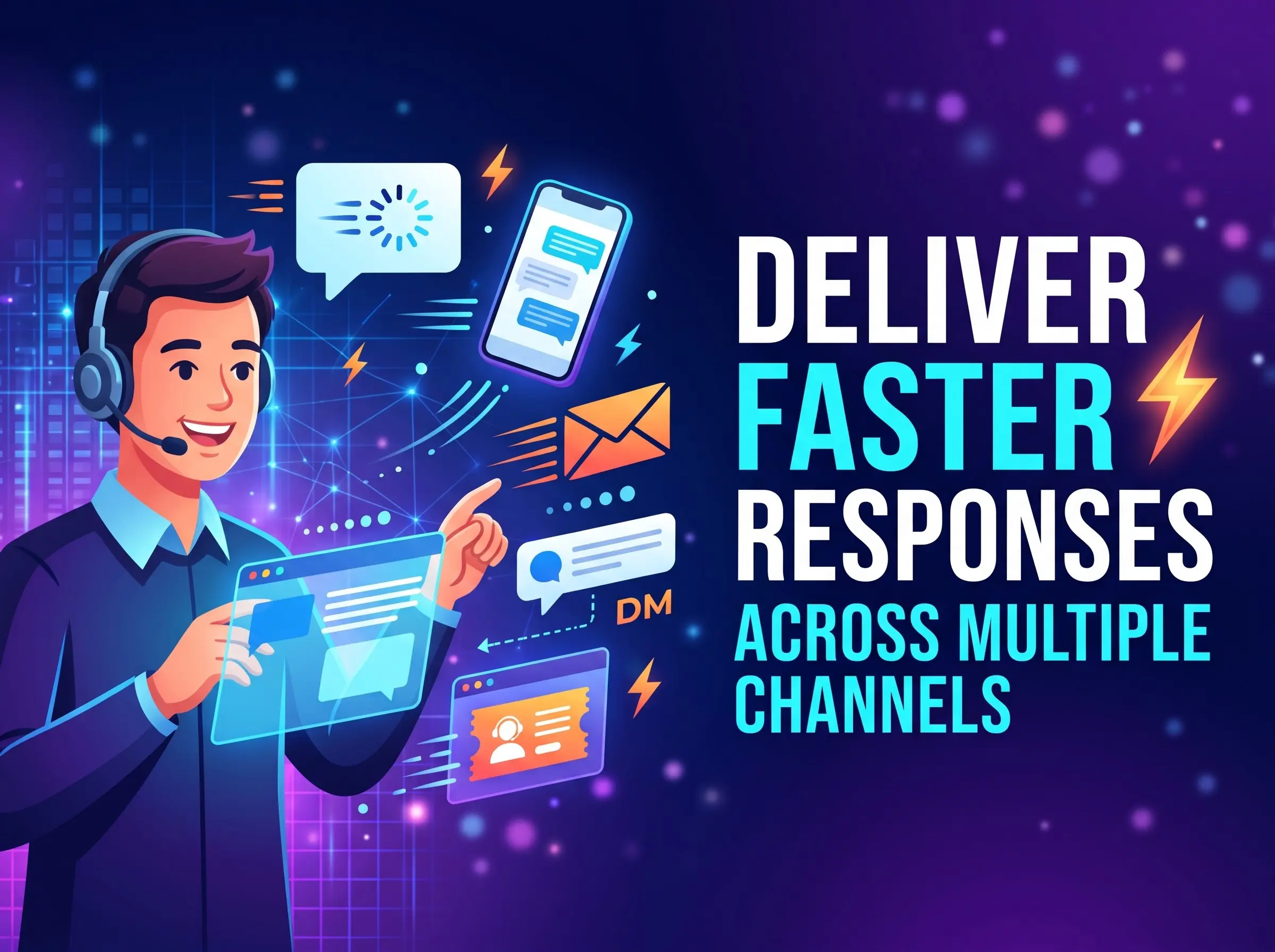
Deliver Faster Responses Across Multiple Channels
Provide 24/7 Customer Support
Chatbots can answer routine questions outside regular business hours, including inquiries about product availability, delivery policies, pricing, and account services. This availability helps customers access information when human support teams are unavailable. Businesses should regularly update chatbot responses and clearly explain when live assistance is available to ensure that automated support remains useful and reliable.
Reduce Customer Waiting Time
Automated responses allow businesses to handle multiple routine inquiries simultaneously. Instead of waiting for an available representative, customers can receive immediate guidance or complete simple tasks through conversational interfaces. Faster responses can improve the overall experience, particularly during busy periods, although complicated requests may still require human attention.
Deliver Personalized Customer Experiences
Personalization helps businesses make conversations more relevant to individual customers. Omnichannel chatbot solutions can use permitted customer information, conversation history, preferences, and previous interactions to tailor responses. When implemented responsibly, these capabilities help customers find suitable information more quickly and make digital communication feel more helpful. Businesses must also protect personal information and respect customer privacy.
Use Customer Data Effectively
Integrated customer relationship management systems can help chatbots access relevant information, such as previous inquiries, order status, and communication preferences. This context allows the chatbot to provide more specific answers instead of treating every conversation as an entirely new interaction. Businesses should collect only necessary information, apply appropriate security measures, and follow applicable privacy requirements.
Recommend Relevant Products and Services
Chatbots can ask customers about their needs and recommend suitable products, services, or resources based on their responses. For example, an online retailer may guide shoppers toward products that match their budgets and preferences. Relevant recommendations can make browsing easier and increase engagement, provided suggestions remain transparent, accurate, and genuinely useful.
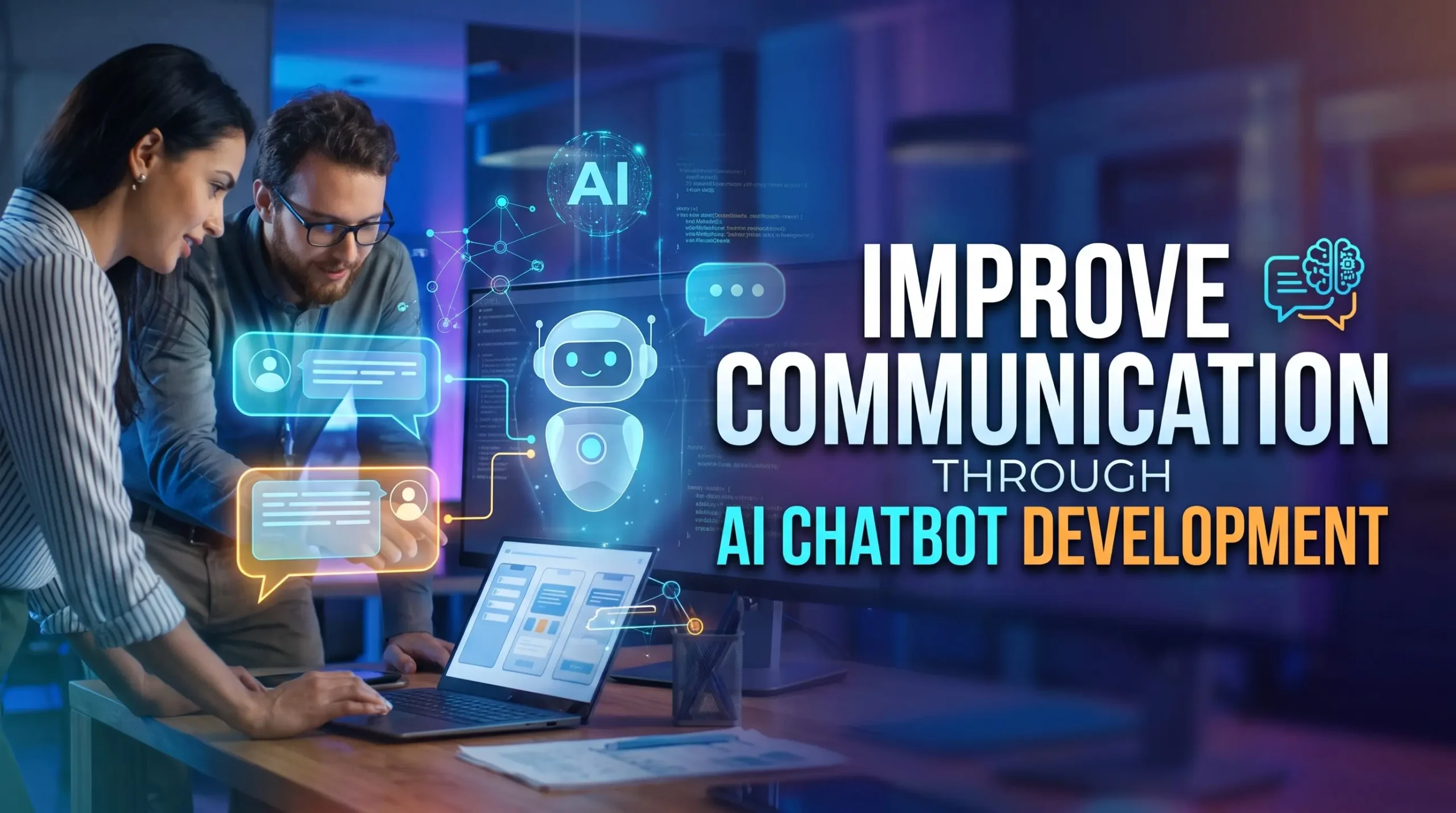
Improve Communication Through AI Chatbot Development
Understand Customer Intent
Customers rarely phrase identical questions in exactly the same way. AI-powered chatbots can interpret different expressions of a request and identify the information a customer needs. This capability helps reduce misunderstandings and makes conversations more natural. However, businesses should test chatbot performance regularly and provide clear fallback options when the system cannot confidently interpret a question.
Support More Natural Conversations
Modern AI chatbots can maintain conversational context, ask clarifying questions, and guide customers through multistep tasks. These features make digital support more interactive than traditional menus with fixed responses. Businesses should establish clear limits for automated responses and ensure that customers can reach a human representative when a conversation becomes sensitive, complicated, or unresolved.
Connect Digital Channels Through Chatbot Integration
Effective chatbot integration connects conversational tools with the platforms and business systems customers already use. These connections help businesses coordinate information across websites, social media, messaging applications, customer databases, and support software. When integrations work correctly, customers can receive more consistent answers, while employees gain better visibility into interactions and can resolve requests with less duplication.
Integrate Websites and Messaging Applications
Businesses can deploy chatbots on websites and supported messaging platforms to make assistance available where customers naturally communicate. Website chat can answer product questions, while messaging integrations can support order updates and appointment inquiries. The specific capabilities depend on platform permissions, technical compatibility, and the chatbot provider’s available integrations.
Connect Customer Relationship Management Systems
Connecting chatbots with customer relationship management software can help teams organize conversations and maintain relevant customer records. When customers require human assistance, the system may transfer conversation details to an agent, reducing repetitive questions. Businesses should verify that information synchronizes accurately and that access permissions protect confidential customer data.
Increase Efficiency With Live Chat Automation
Live chat automation helps businesses manage repetitive support tasks while preserving access to human assistance. Automated workflows can categorize inquiries, collect essential information, provide standard answers, and route conversations to appropriate departments. Combining automation with live chat creates a flexible support experience that improves efficiency without requiring every customer interaction to be handled entirely by a machine.
Automate Routine Customer Inquiries
Many customer questions involve predictable information, such as operating hours, shipping policies, booking procedures, and return requirements. Chatbots can answer these inquiries using approved information, allowing support employees to focus on requests that require judgment or specialized knowledge. Regularly reviewing automated answers helps prevent outdated information from damaging customer trust.
Transfer Complex Conversations to Human Agents
Automation works best when customers can move smoothly to human assistance whenever necessary. Chatbots should recognize unresolved questions, repeated misunderstandings, and requests involving sensitive situations. When transferring a conversation, the system should provide relevant context to the agent whenever possible. This approach combines the speed of automation with the empathy and problem-solving abilities of human support teams.
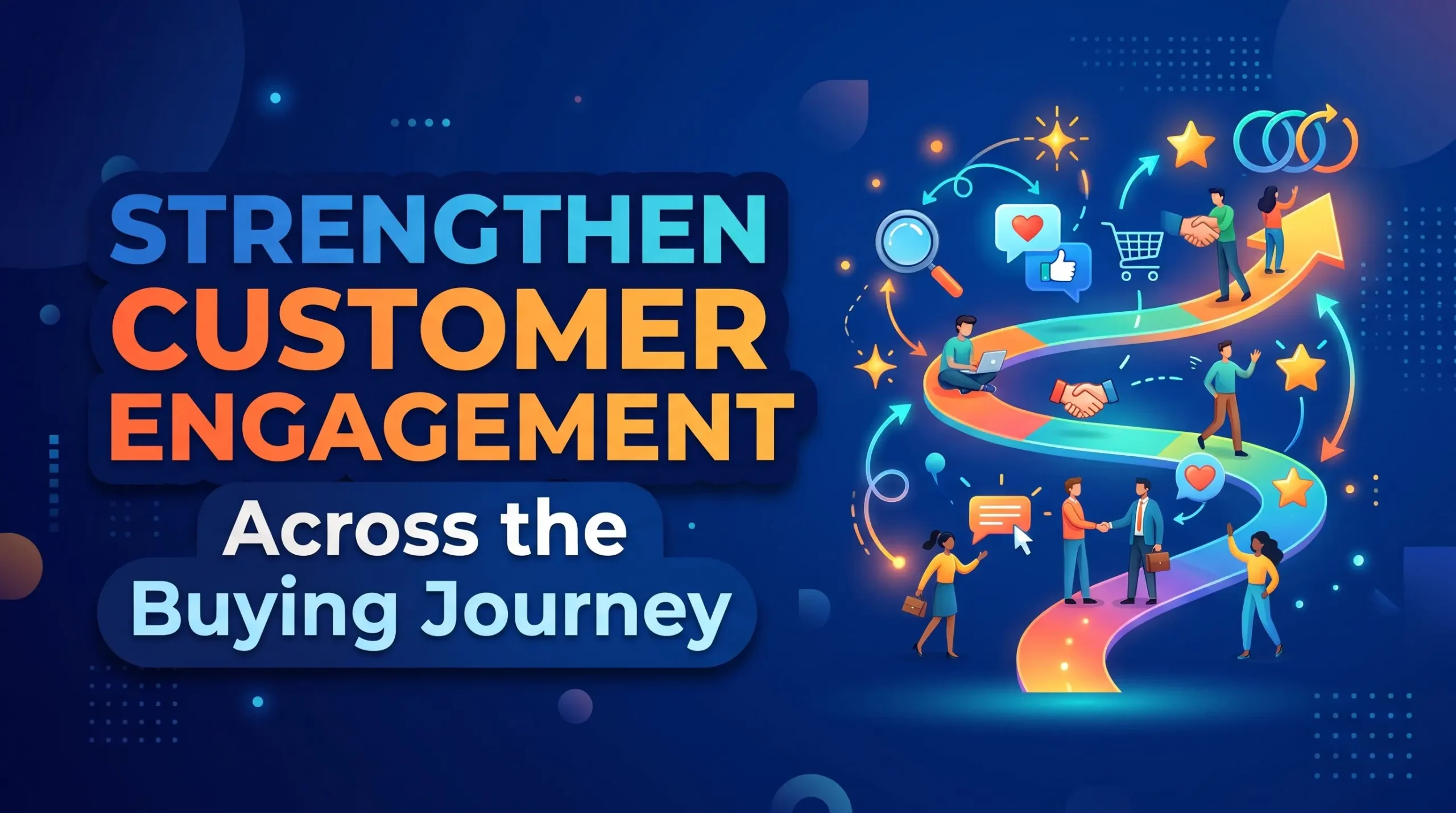
Strengthen Customer Engagement Across the Buying Journey
Guide Customers Toward Purchase Decisions
During product research, customers may need help comparing features, understanding prices, or choosing between available options. Chatbots can answer these questions and guide users toward relevant product pages or demonstrations. By reducing information gaps, businesses can make purchasing decisions easier while giving customers more confidence in their choices.
Support Customers After a Purchase
Post-purchase engagement helps customers receive value from their purchases and builds opportunities for continued relationships. Chatbots can provide order updates, explain product usage, share troubleshooting guidance, and direct customers to warranty or return information. Businesses can also invite feedback at appropriate moments, using responses to identify service problems and improve future customer experiences.
Measure the Performance of Omnichannel Chatbots
Measuring chatbot performance helps businesses understand whether their systems are improving customer engagement and meeting operational goals. Organizations should evaluate both customer experience and business outcomes rather than relying exclusively on conversation volume. Regular performance reviews can reveal where automation works well, where customers become frustrated, and which improvements would deliver the greatest practical value.
Track Engagement and Satisfaction Metrics
Useful metrics include chatbot engagement rate, conversation completion rate, customer satisfaction scores, response time, resolution rate, and successful transfers to human agents. Businesses can also monitor repeat interactions and channel-specific performance. Reviewing these indicators together helps distinguish genuinely helpful automation from interactions that simply generate more chatbot conversations.
Improve Chatbot Performance Continuously
Customer expectations, products, and business policies change over time. Organizations should review unanswered questions, inspect failed conversations, collect feedback, and update chatbot knowledge regularly. Testing different conversation flows can also identify opportunities to improve clarity and reduce unnecessary steps. Continuous optimization keeps automated assistance aligned with real customer needs.
Conclusion
Omnichannel chatbot solutions help businesses create more connected, convenient, and engaging customer experiences across digital channels. By combining AI chatbot development, effective chatbot integration, and live chat automation, organizations can deliver faster responses, personalize interactions, and support customers throughout their buying journeys. These systems can also reduce repetitive workloads and improve coordination between automated tools and human support teams.
However, successful implementation requires more than deploying chatbot technology. Businesses must prioritize accurate information, customer privacy, accessible human assistance, and continuous performance improvement. When these elements work together, omnichannel chatbots can strengthen customer relationships, improve satisfaction, and support sustainable business growth.
Frequently Asked Questions
1. What Are Omnichannel Chatbot Solutions?
Omnichannel chatbot solutions are automated communication systems that support customer conversations across connected channels, such as websites, social media, and messaging applications. They help businesses provide consistent information and more convenient customer support.
2. How Do Omnichannel Chatbots Improve Customer Engagement?
They improve engagement by providing faster responses, personalized recommendations, convenient access to information, and consistent communication across platforms. These capabilities encourage customers to interact with businesses more frequently and confidently.
3. What Is the Difference Between Multichannel and Omnichannel Chatbots?
Multichannel chatbots operate across multiple communication platforms, but those channels may function independently. Omnichannel chatbots aim to connect these channels and maintain conversation continuity, depending on the system’s integration capabilities.
4. What Is the Role of AI Chatbot Development?
AI chatbot development helps businesses create conversational systems that interpret customer intent, understand natural language, and provide relevant responses. It can improve automated assistance when supported by reliable information and appropriate testing.
5. Why Is Chatbot Integration Important?
Chatbot integration connects conversational tools with business systems, customer databases, messaging platforms, and support software. These connections help maintain relevant information, improve workflow efficiency, and support more consistent customer experiences.
6. How Does Live Chat Automation Benefit Businesses?
Live chat automation handles routine inquiries, collects customer information, and routes requests to appropriate teams. It can reduce waiting times and repetitive workloads while allowing human agents to focus on more complex customer needs.
7. Can Omnichannel Chatbots Provide Personalized Recommendations?
Yes. When connected to appropriate customer data and recommendation systems, chatbots can suggest relevant products, services, or resources. Personalization should be accurate, transparent, privacy-conscious, and based on legitimate customer needs.
8. Are Omnichannel Chatbot Solutions Suitable for Small Businesses?
Yes. Small businesses can use chatbot solutions to answer common questions, support customer inquiries, and maintain communication outside business hours. Starting with essential channels and expanding gradually can help control costs and complexity.
9. How Can Businesses Measure Chatbot Success?
Businesses can evaluate customer satisfaction, response time, resolution rate, conversation completion, engagement, and successful human-agent transfers. Comparing these metrics with business objectives helps identify areas for improvement.
10. Will Omnichannel Chatbots Replace Human Customer Support?
No. Chatbots can automate routine tasks and provide immediate assistance, but human representatives remain important for complex problems, emotional situations, and decisions requiring judgment. Combining automation with accessible human support generally provides a more balanced customer experience.
Chatbot Data Privacy Strategies to Strengthen Customer Trust
AI Chatbot Security Strategies to Protect Customer Information
How Omnichannel Chatbot Solutions Drive Customer Engagement
AI Chatbot Personalization for Smarter Customer Interactions