
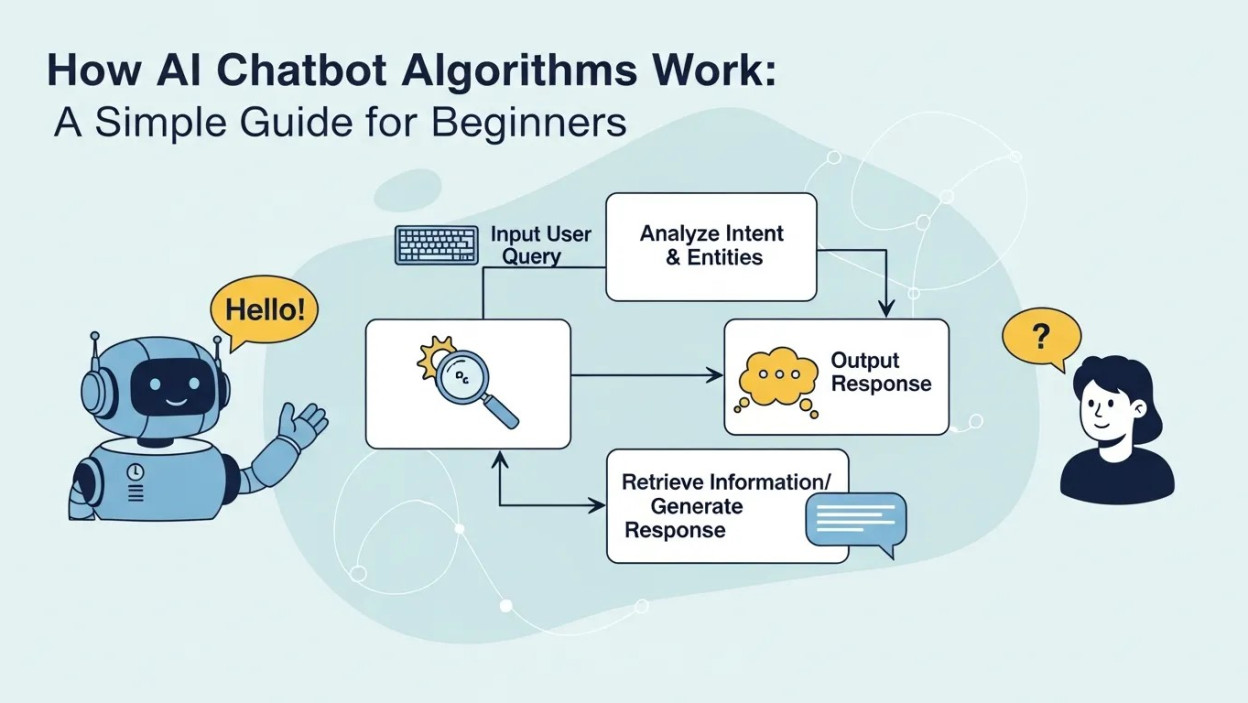
This guide explains how AI chatbot algorithms work in a simple, beginner-friendly way. It covers NLP, machine learning, intent recognition, context, and ethics to help anyone understand how modern chatbots think, learn, and respond intelligently.
Understanding AI Chatbot Algorithms
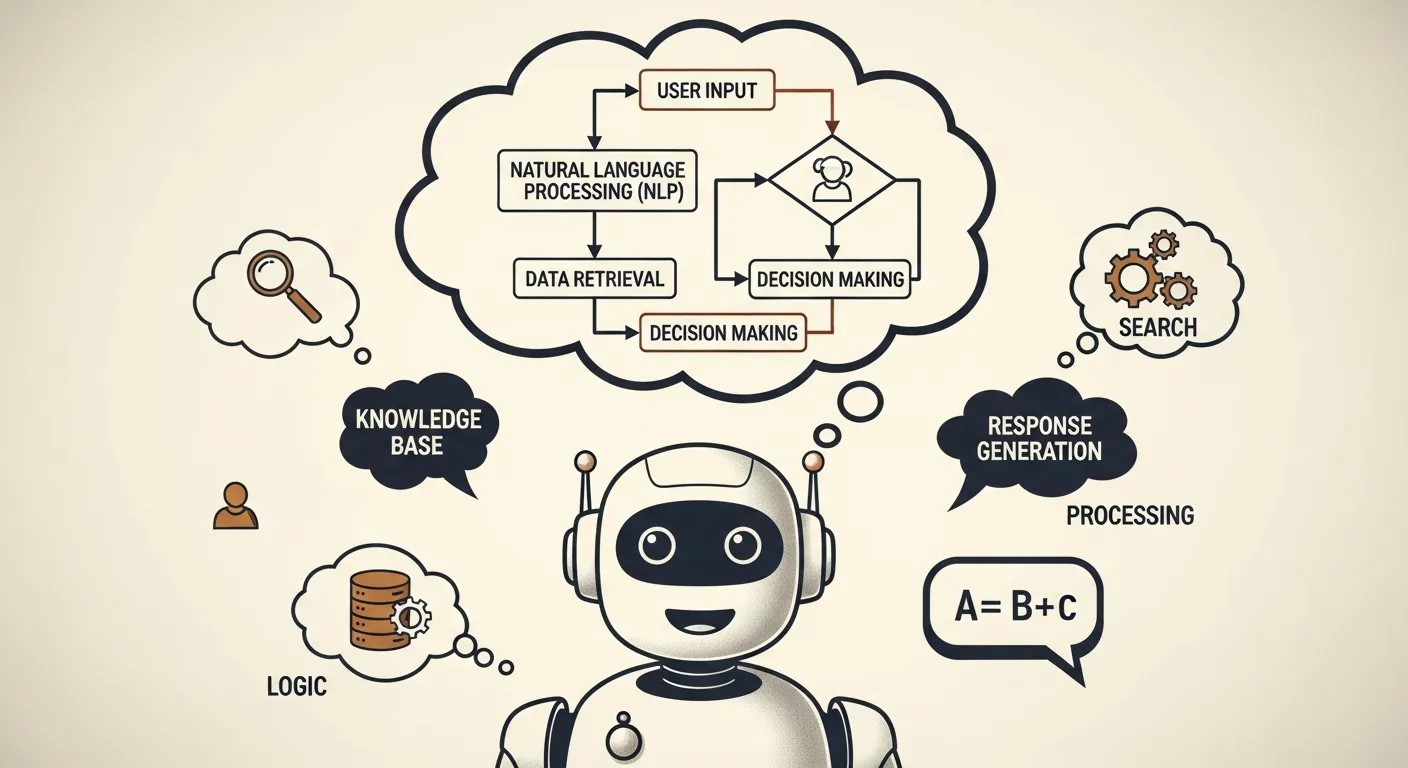
Artificial intelligence is no longer a futuristic concept it is already shaping how humans communicate with machines every single day. From customer support chats to virtual assistants and smart applications, AI chatbots are everywhere. Yet for beginners, one big question remains unanswered: How AI Chatbot Algorithms Work behind the scenes.
This guide is designed specifically for beginners who want a clear, human-friendly, and modern explanation of How AI Chatbot Algorithms Work, without heavy technical jargon. Instead of complex formulas, you will understand the logic, structure, psychology, and intelligence flow that powers today’s chatbots.
In the current digital ecosystem, understanding How AI Chatbot Algorithms Work is not just for developers. Marketers, writers, business owners, students, and curious learners all benefit from knowing how these systems think, learn, and respond.
Understanding the Core Idea Behind AI Chatbot Algorithms
At the most fundamental level, How AI Chatbot Algorithms Work depends on one principle: transforming human language into machine-understandable data and then converting machine decisions back into natural conversation.
AI chatbot algorithms are designed to:
-
Receive user input
-
Interpret meaning and intent
-
Decide the most relevant response
-
Deliver that response in a human-like way
When beginners ask How AI Chatbot Algorithms Work, the answer lies in a combination of language processing, pattern recognition, probability modeling, and learning systems.
Modern chatbots are not simply rule-based scripts anymore. They are intelligent systems that continuously evolve based on interaction data, user behavior, and contextual understanding.
The Role of Natural Language Processing (NLP)
To truly understand How AI Chatbot Algorithms Work, you must first understand Natural Language Processing (NLP). NLP is the technology that allows machines to read, analyze, and understand human language.
When a user types a message, the chatbot does not see words the way humans do. Instead, NLP breaks sentences into:
-
Tokens (words or phrases)
-
Grammatical structure
-
Semantic meaning
-
Contextual clues
This process allows AI systems to interpret intent rather than just keywords. That’s why modern explanations of How AI Chatbot Algorithms Work always start with NLP it is the brain of conversational AI.
Machine Learning: The Learning Engine Behind Chatbots
Another key pillar of How AI Chatbot Algorithms Work is machine learning. Unlike traditional programs, AI chatbots learn from data instead of following fixed instructions.
Machine learning models are trained on:
-
Millions of conversation samples
-
Question-answer pairs
-
User feedback signals
-
Real-world language variations
Over time, the chatbot becomes better at predicting what response is most appropriate. This learning loop explains How AI Chatbot Algorithms Work in real-world environments where conversations are unpredictable.
The more data a chatbot processes, the more accurate, relevant, and human-like it becomes.
Intent Recognition and Context Awareness

One of the biggest breakthroughs in understanding How AI Chatbot Algorithms Work is intent recognition. Humans rarely speak in exact terms. We imply, shorten, and contextualize our messages.
AI chatbots use intent classification models to determine:
-
What the user wants
-
Why they are asking
-
What action should follow
Context awareness allows the chatbot to remember previous messages and maintain conversation flow. Without this, explaining How AI Chatbot Algorithms Work would be incomplete, because context is what separates smart chatbots from basic auto-responders.
Decision Trees vs Neural Networks
Historically, early explanations of How AI Chatbot Algorithms Work focused on decision trees and rule-based logic. These systems followed predefined if-then rules.
Modern chatbots, however, rely heavily on:
-
Neural networks
-
Transformer models
Neural networks mimic the human brain by processing information through layers of nodes. This structure allows chatbots to understand nuance, ambiguity, and emotional tone an essential part of How AI Chatbot Algorithms Work in today’s digital interactions.
Training Data: The Foundation of Intelligence
No discussion about How AI Chatbot Algorithms Work is complete without training data. AI does not think independently it learns patterns from data created by humans.
Training data includes:
-
Public text sources
-
Conversational datasets
-
Industry-specific knowledge bases
-
Synthetic conversation simulations
The quality of training data directly affects how AI chatbot algorithms work in real scenarios. Poor data leads to biased or incorrect responses, while high-quality data produces accurate and helpful conversations.
Feedback Loops and Continuous Optimization
A critical modern component of How AI Chatbot Algorithms Work is feedback optimization. Chatbots improve through:
-
User satisfaction ratings
-
Conversation success metrics
-
Error detection models
-
Reinforcement learning loops
This continuous improvement system explains why chatbots feel smarter over time. Understanding these feedback loops gives beginners deeper insight into How AI Chatbot Algorithms Work beyond surface-level explanations.
Emotional Understanding and Human Psychology
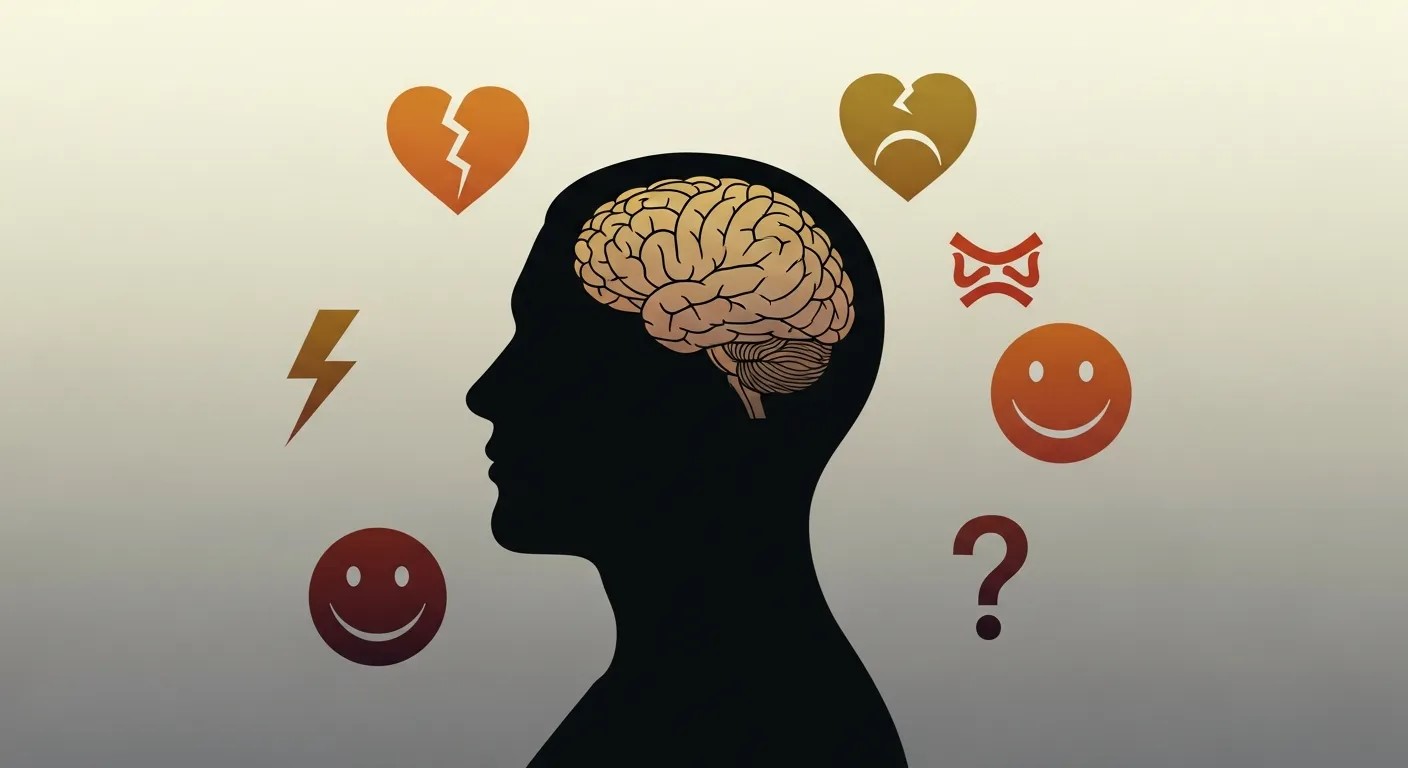
Modern conversational AI is no longer limited to logic and facts. Today, How AI Chatbot Algorithms Work also includes emotional modeling.
Emotion detection algorithms analyze:
-
Word choice
-
Sentence structure
-
Response timing
-
Sentiment polarity
This enables the rise of Emotionally Intelligent Chatbots, which adapt their tone based on user emotions. These systems are especially powerful in customer support, healthcare, and mental wellness applications.
By integrating emotional awareness, AI chatbots align more closely with human psychology, increasing trust and engagement.
Accessibility and Inclusive Design in Chatbots
Another important dimension of How AI Chatbot Algorithms Work is accessibility. AI systems are increasingly designed to serve users with diverse abilities.
Through voice recognition, text simplification, and adaptive interfaces, AI Chatbots for Accessibility help users with visual, cognitive, or motor impairments interact with digital platforms more effectively.
This inclusion-focused approach reflects how chatbot algorithms are evolving beyond efficiency toward social responsibility.
Data Handling, Privacy, and Ethical Concerns
As beginners explore How AI Chatbot Algorithms Work, they often wonder how user data is handled. Chatbots process massive amounts of conversational data, raising important privacy concerns.
Topics like Chatbots and Data Privacy and Privacy & Security in Web Chatbots are now central to AI system design. Modern algorithms include:
-
Data anonymization techniques
-
Encryption layers
-
Secure data storage protocols
-
Compliance with global regulations
Ethical AI development ensures chatbot intelligence does not compromise user trust a crucial factor in understanding How AI Chatbot Algorithms Work in real-world applications.
Personalization and User Behavior Modeling
One of the most powerful aspects of How AI Chatbot Algorithms Work today is personalization. Chatbots analyze user behavior to tailor responses based on:
-
Past interactions
-
Preferences
-
Usage patterns
-
Location and device context
This personalization creates more relevant and engaging experiences. It also explains why AI chatbots feel increasingly “human” over time.
Behavior modeling combines psychology, statistics, and predictive analytics key elements in modern explanations of How AI Chatbot Algorithms Work.
Multilingual Capabilities and Global Reach
Global communication is another reason why understanding How AI Chatbot Algorithms Work matters. AI chatbots now support multiple languages using:
-
Language detection models
-
Translation layers
-
Cross-lingual embeddings
This allows chatbots to communicate seamlessly across cultures and regions, making them essential tools for global businesses and platforms.
The Future Direction of AI Chatbot Algorithms
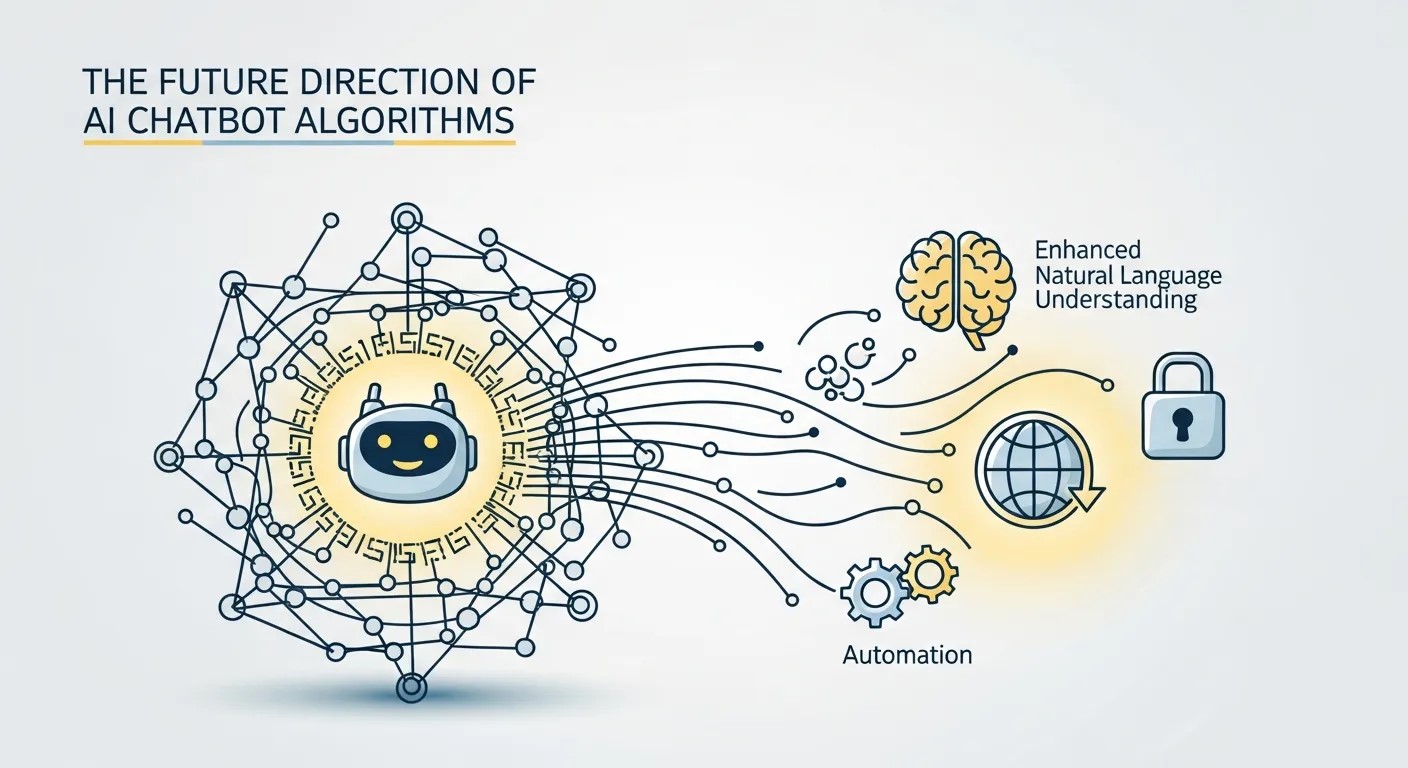
When analyzing How AI Chatbot Algorithms Work, it’s impossible to ignore future evolution. Emerging trends include:
-
Multimodal chatbots (text, voice, image, video)
-
Real-time reasoning engines
-
Memory-based AI systems
-
Self-improving conversational agents
These advancements will redefine human-machine interaction and push the boundaries of what conversational AI can achieve.
Why Beginners Should Learn How AI Chatbot Algorithms Work
For beginners, learning How AI Chatbot Algorithms Work unlocks:
-
Better digital literacy
-
Smarter tool usage
-
Career opportunities in AI-driven fields
-
Deeper understanding of modern technology
As AI continues to integrate into daily life, this knowledge becomes increasingly valuable not optional.
Common Myths vs Reality: How AI Chatbot Algorithms Really Work
Beginners often misunderstand How AI Chatbot Algorithms Work because of popular myths spread through movies, headlines, and social media. Clearing these misconceptions is essential to truly understand what AI chatbots can and cannot do.
One common myth is that AI chatbots “think like humans.” In reality, chatbot algorithms do not possess consciousness, emotions, or independent thinking. They work by analyzing patterns, probabilities, and contextual signals based on training data. Understanding this distinction helps beginners set realistic expectations.
Another misconception is that chatbots always give correct answers. The truth is, How AI Chatbot Algorithms Work depends heavily on data quality, model design, and context clarity. If the input is vague or the training data is limited, responses may be incomplete or inaccurate.
Many people also believe AI chatbots replace humans entirely. In practice, chatbot algorithms are designed to assist, augment, and scale human effort, not eliminate it. The most effective systems combine human oversight with AI automation.
There is also a fear that chatbots constantly spy on users. While data collection exists, modern chatbot architectures include privacy safeguards, anonymization, and user-consent mechanisms. Ethical AI development plays a major role in shaping how chatbot algorithms operate responsibly.
By separating myths from reality, beginners gain a clearer, more practical understanding of How AI Chatbot Algorithms Work, allowing them to use, design, or evaluate chatbot systems more intelligently.
Real-World Applications of AI Chatbot Algorithms
Understanding How AI Chatbot Algorithms Work becomes much clearer when we see how they are used in real life. Today, chatbot algorithms power applications across multiple industries.
In customer support, chatbots handle FAQs, resolve basic issues, and route complex problems to human agents. In e-commerce, they guide users through product discovery, order tracking, and personalized recommendations. Educational platforms use chatbots for tutoring, doubt-solving, and course guidance, while healthcare chatbots assist with appointment booking, symptom checking, and patient engagement.
These real-world applications demonstrate that AI chatbot algorithms are not theoretical concepts they are practical systems solving everyday problems at scale.
Rule-Based Chatbots vs AI-Powered Chatbots
A common beginner confusion when learning How AI Chatbot Algorithms Work is the difference between rule-based and AI-powered chatbots.
Rule-based chatbots follow predefined scripts and respond only when specific conditions are met. They are predictable but limited. AI-powered chatbots, on the other hand, use NLP and machine learning to understand intent, adapt to variations in language, and respond dynamically.
This distinction is important because modern conversational experiences rely mostly on AI-driven algorithms rather than static rule systems.
How AI Chatbot Algorithms Handle Unclear or Complex Queries
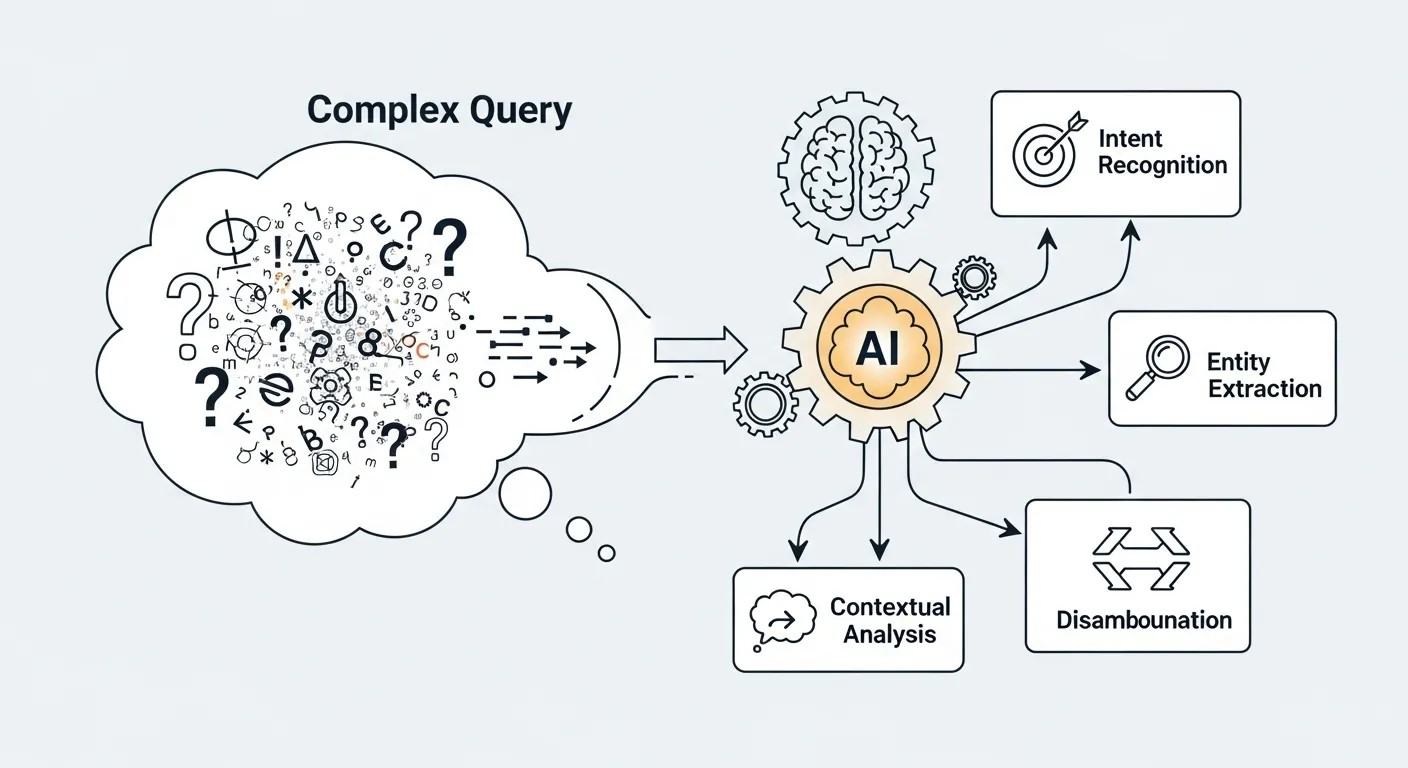
Human communication is often messy, incomplete, or ambiguous. One advanced aspect of How AI Chatbot Algorithms Work is how they handle unclear inputs.
When a message lacks clarity, chatbot algorithms may ask follow-up questions, offer multiple response options, or use probability ranking to choose the most likely intent. Some systems also escalate the conversation to human agents when confidence levels drop below a certain threshold.
This intelligent fallback behavior improves user experience and prevents frustration.
Limitations of AI Chatbot Algorithms
While powerful, it is important for beginners to understand the limitations of How AI Chatbot Algorithms Work.
Chatbots may struggle with highly emotional conversations, rare edge cases, or topics outside their training data. They do not possess true understanding or common sense and rely heavily on patterns learned from data.
Recognizing these limitations helps users and businesses deploy chatbots realistically and responsibly.
How Businesses Benefit from Understanding AI Chatbot Algorithms
Learning How AI Chatbot Algorithms Work is especially valuable for business owners and marketers. This knowledge helps them design better user journeys, choose the right chatbot platforms, and set measurable performance goals.
By understanding chatbot logic, businesses can improve customer satisfaction, reduce operational costs, and create scalable digital experiences without sacrificing personalization.
Getting Started with AI Chatbots as a Beginner
For beginners inspired to explore further, understanding How AI Chatbot Algorithms Work is the first step not the last.
Today, many no-code and low-code platforms allow users to build simple AI chatbots without technical expertise. By experimenting with these tools, beginners can see chatbot algorithms in action and deepen their practical understanding.
Starting small and learning through interaction is one of the best ways to master conversational AI concepts.
Conclusion
Understanding how AI chatbot algorithms work helps beginners see beyond the interface and recognize the intelligence behind every response. From NLP and machine learning to context awareness and ethics, chatbots are built to learn, adapt, and assist making them a powerful part of today’s digital world.



How Intelligent Chatbots Drive Better Customer Engagement
How Chatbot Technology Helps Automate Customer Interactions
How Automated Responses Improve Customer Support Efficiency
Live Chat Automation Best Practices to Improve Customer Service