
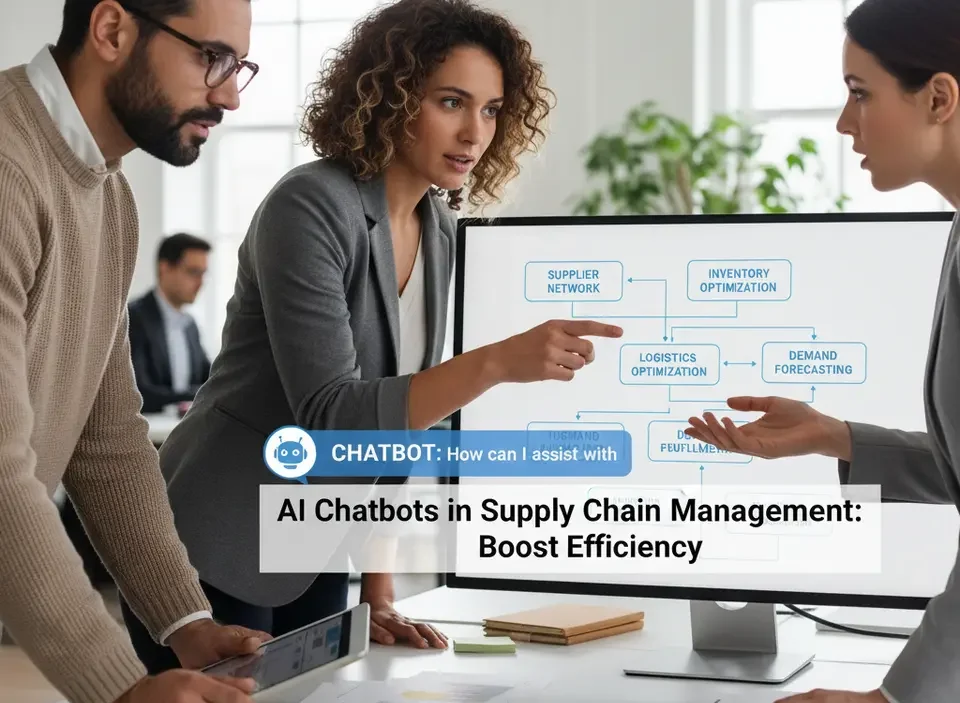
In today’s digital landscape, supply chains are under unprecedented pressure to adapt to rapid changes in demand, evolving customer expectations, and complex global logistics. Companies running efficient supply chains must juggle fluctuating inventory levels, tight delivery windows, and ever more stringent compliance requirements. As businesses strive to maintain agility and transparency, emerging technologies such as artificial intelligence have become critical enablers of performance improvements. One of the most promising innovations in this field is the deployment of AI chatbots across key supply chain functions.
AI chatbots in supply chain management are conversational agents that leverage natural language processing and machine learning to automate routine tasks, facilitate seamless communication, and deliver real-time insights. By integrating with enterprise systems, these digital assistants can provide up-to-the-minute order status, trigger inventory alerts, and help teams navigate documentation and reporting workflows. Organizations embracing this technology gain a competitive edge by reducing manual overhead and improving decision speed.
This comprehensive guide explores the many ways AI chatbots in supply chain management are transforming operations today. We will first outline the fundamental importance of conversational AI within procurement, warehousing, transportation, and compliance domains. Next, we dive into core use cases that deliver immediate value, before examining the benefits and measurable returns companies can expect. We then offer a practical roadmap for implementation and detail best practices for accelerating adoption and overcoming common challenges. Finally, we discuss how forward-looking trends will shape the future of AI-driven supply chain operations in this year (2026).
Why AI Chatbots Matter in Supply Chain Management
Supply chain management faces constant disruption due to volatile market conditions, geopolitical shifts, and rising customer service expectations. Companies must respond rapidly to changes in demand patterns while ensuring goods move efficiently from origin to destination. Manual processes and siloed data repositories often hinder visibility, making it difficult for teams to react in real time. In this environment, AI chatbots in supply chain management offer a way to bridge information gaps by connecting stakeholders, automating routine inquiries, and delivering instant updates across the network.
Conversational AI solutions can be integrated with enterprise resource planning (ERP), warehouse management, and transportation systems to extract critical data points on inventory levels, shipment status, and supplier performance. Through natural language interfaces, users can query these platforms without navigating complex menus or legacy dashboards. This capability not only accelerates response times but also reduces dependency on specialized IT skills for data retrieval. As a result, decision makers gain clear, actionable visibility into logistics operations around the clock.
Beyond transparency, AI chatbots in supply chain management help drive cost optimization by automating repetitive tasks that would otherwise consume hours of human effort each day. By handling order tracking requests, processing stock replenishment alerts, and generating compliance reports, these digital agents free up supply chain professionals to focus on strategic priorities such as supplier negotiation or network design. This shift from manual labor to high-value analysis contributes to leaner operations and improved service levels.
Another advantage of deploying AI chatbots in supply chain management is their inherent scalability and availability. Unlike traditional support models bound by office hours or regional coverage, chatbots can engage with teams and customers 24 hours a day across multiple time zones and languages. They also integrate seamlessly with popular collaboration tools, ensuring that insights and recommendations flow directly into platforms like Slack, Microsoft Teams, or web portals. This level of accessibility fosters stronger collaboration among procurement, warehousing, and transportation stakeholders.
Research from the MIT Center for Transportation & Logistics highlights that firms embracing real-time digital tools can reduce logistics costs by up to 20 percent while improving order fulfillment rates. In this year (2026), organizations are increasingly prioritizing conversational AI to meet customer demands for instant, accurate information and to maintain resilience in complex supply environments. These factors underscore why AI chatbots in supply chain management have become a strategic imperative rather than a mere convenience.
Core Use Cases for AI Chatbots in Supply Chain Management

Inventory Management
Maintaining accurate stock levels is critical for meeting customer demand without incurring storage overhead. AI chatbots in supply chain management can link to warehouse management systems and ERP platforms to track real-time inventory counts, identify discrepancies between locations, and predict stockouts before they occur. Users can ask the chatbot to alert them when stock levels dip below predefined thresholds or request current on-hand quantities for specific SKUs. This proactive approach to replenishment helps reduce both overstock and backorder scenarios.
Order Tracking and Customer Updates
Today’s consumers and business partners expect continuous visibility into order progress. Conversational agents can interface with transport management systems and carrier APIs to gather shipment details, estimated arrival times, and exception reports. Through chat or messaging platforms, stakeholders receive automatic notifications about delivery status changes, delays, or route deviations. This mechanism not only improves customer satisfaction but also lowers the volume of routine inquiries handled by customer service teams.
Supplier Collaboration
Effective supplier relationships depend on clear and timely communication. AI chatbots in supply chain management streamline supplier engagement by automating inquiries about price quotes, lead times, and payment statuses. Procurement professionals can use simple chat commands to request updated pricing or confirm delivery schedules without generating endless email threads. These capabilities accelerate sourcing cycles and strengthen transparency along the supply network.
Document Automation
Trade compliance and customs documentation are notoriously complex, requiring meticulous validation of bills of lading, certificates of origin, and import declarations. AI chatbots equipped with optical character recognition can scan scanned forms, verify content against regulatory standards, and flag missing or inconsistent fields. By routing documents for approval or highlighting compliance issues, chatbots in supply chain management significantly reduce manual errors and administrative delays.
Analytics and Reporting
Data-driven decision making hinges on access to timely key performance indicators. Conversational AI can query business intelligence tools and dashboards, summarizing metrics such as on-time delivery rates, order accuracy, and warehouse throughput. Teams can issue natural language queries like Show last month’s fill rate or Compare quarterly transportation spend across carriers and receive concise visual or text-based reports. This on-demand analytical support empowers operations teams to identify trends and adjust strategies swiftly.
Benefits of Deploying AI Chatbots in Supply Chain Management
One of the primary advantages of adopting AI chatbots in supply chain management is the significant reduction in operational costs through automation. Repetitive tasks such as responding to basic order status questions or generating routine inventory reports can be handled by digital agents, freeing human workers to focus on higher-value activities. Studies from the United States Department of Commerce indicate that companies leveraging automation technologies can lower process costs by up to 30 percent. This year (2026), cost optimization remains a top priority for supply chain leaders seeking to protect margins.
In addition to financial benefits, AI chatbots enhance supply chain visibility by providing real-time data and alerts. Currently, many organizations struggle with fragmented data sources and delayed information flows. Chatbots integrate seamlessly with ERP, warehouse, and transportation platforms to deliver consistent updates that help teams make informed decisions. By consolidating insights into a single conversational interface, these solutions streamline issue resolution and accelerate response times.
Improved customer experience is another compelling benefit of AI chatbots in supply chain management. Shoppers and B2B clients alike demand transparency and fast answers about their orders. Chatbots can proactively notify users about shipment progress, exceptions, and delivery windows. This level of engagement not only boosts satisfaction scores but also reduces inbound service calls. In today’s digital landscape, organizations that communicate effectively with customers solidify brand loyalty and encourage repeat business.
AI chatbots also support workforce enablement by assisting staff across procurement, operations, and customer service teams. Team members can rely on conversational AI to access data, approve transactions, and perform compliance checks simply by typing or speaking requests. This capability is especially valuable for seasonal employees or partners who may not be familiar with internal systems. With chatbots handling routine interactions, employees can dedicate their expertise to strategic tasks that drive innovation and growth.
Finally, these solutions contribute to stronger security and compliance posture. AI chatbots can enforce data governance rules by validating user permissions before disclosing sensitive information. They also maintain audit logs of interactions and decision workflows, ensuring traceability. By centralizing document validation and flagging potential regulatory issues, chatbots in supply chain management help organizations adhere to industry standards and legal requirements while reducing inadvertent errors.
Implementing AI Chatbots for Supply Chain Management

Step 1 Define Objectives and Metrics
Begin your AI chatbot implementation by establishing clear goals and success metrics that align with supply chain priorities. Determine whether you aim to reduce inquiry response times, improve inventory turn rates, or minimize documentation errors. Set key performance indicators such as average resolution time, fill rate accuracy, and cost per transaction. By quantifying objectives upfront, teams can measure progress objectively and refine strategies to maximize the impact of AI chatbots in supply chain management.
Step 2 Select the Right Platform
Choosing a suitable chatbot platform is crucial for seamless integration and future scalability. Evaluate solutions that offer robust natural language understanding, multi-language support, and out-of-the-box connectors for ERP, warehouse management systems, transportation management, and CRM tools. Consider ease of deployment across channels like web chat, Slack, Microsoft Teams, or WhatsApp. A flexible platform will allow your organization to extend chatbot capabilities as needs evolve and avoid costly vendor lock-in.
Step 3 Design Conversational Flows
Effective conversational design lays the foundation for user adoption and satisfaction. Collaborate with process experts to map common user journeys, including greeting messages, menu-driven interactions, form-based data collection, and error-handling scenarios. Use decision trees to guide users logically toward task completion or escalation to a human agent. Iterative prototyping and feedback loops help ensure that dialog flows feel natural and deliver value for both routine inquiries and complex workflows.
Step 4 Integrate Data Sources
To unlock the full potential of AI chatbots in supply chain management, connect them to essential backend systems through secure APIs and webhooks. Ensure proper authentication and authorization mechanisms are in place to protect sensitive data. Data validation and logging are critical for maintaining audit trails and troubleshooting issues. Event-driven integrations enable the chatbot to push real-time notifications when key milestones occur, such as when a shipment departs a warehouse or when inventory falls below threshold levels.
Step 5 Train and Test the Bot
Machine learning models require quality training data to recognize user intents accurately. Leverage historical chat logs and frequently asked questions to build an initial intent library. Conduct thorough testing across a variety of scenarios, including edge cases and failover conditions. Invite internal stakeholders to participate in user acceptance testing and collect qualitative feedback. Continually refine utterances, synonyms, and fallback prompts to improve the chatbot’s conversational accuracy and reliability.
Step 6 Deploy, Monitor, and Optimize
Roll out the chatbot in stages, starting with a pilot group or a single functional area. Monitor performance through dashboards that track conversation volumes, resolution rates, user satisfaction scores, and error trends. Solicit user feedback and track common support requests to identify new improvement opportunities. Update the chatbot’s knowledge base regularly to reflect process changes, new product information, and evolving compliance requirements. Continuous optimization ensures that AI chatbots in supply chain management deliver sustainable value over time.
Best Practices and Overcoming Challenges
Designing human-like yet transparent conversations is a best practice for achieving user trust. Clearly indicate when users are interacting with an AI chatbot to set expectations. Incorporate natural language variations and use personalized greetings to make interactions feel engaging. In today’s digital landscape, authenticity and clarity build credibility, helping supply chain teams embrace conversational AI as a reliable partner rather than a black box.
Ensure that users can easily escalate to a live agent when queries exceed the chatbot’s capabilities. Providing a seamless handoff to human support prevents frustration and maintains service quality. Define escalation triggers based on intent recognition confidence levels or complex request patterns. This hybrid approach balances efficiency gains with the need for expert intervention in edge cases.
Maintaining rigorous data security and compliance standards is paramount when deploying AI chatbots in supply chain management. Implement role-based access controls, encrypt data in transit and at rest, and follow frameworks such as GDPR or CCPA where applicable. Regularly audit conversational logs and access records to detect anomalies. By embedding security measures into every layer of the chatbot architecture, organizations can protect sensitive shipment and supplier information.
Change management is another critical factor in successful adoption. Employees may be hesitant to adopt new conversational tools. Offer comprehensive training sessions, user guides, and workshops to demonstrate the chatbot’s capabilities. Highlight time savings and improved decision-making to build enthusiasm. Involving end users early in the design process fosters a sense of ownership and accelerates buy-in.
Data silos pose a challenge to realizing the full potential of AI chatbots in supply chain management. Fragmented data can lead to incomplete or inconsistent responses. To overcome this, establish an integration layer or data warehouse that consolidates information from ERP, WMS, TMS, and CRM systems. Expose unified APIs that the chatbot can consume reliably. Centralizing data not only enhances conversational accuracy but also simplifies maintenance.
Lastly, adopt a culture of continuous improvement driven by analytics. Monitor key metrics such as intent recognition rates, user satisfaction scores, and fallback frequencies. Analyze common support themes to expand the chatbot’s knowledge base. Regularly update training data, refine dialog flows, and introduce new capabilities based on user feedback. This iterative cycle ensures that AI chatbots in supply chain management remain effective and aligned with evolving business needs.
Frequently Asked Questions
What are AI chatbots in supply chain management?
AI chatbots in supply chain management are conversational agents leveraging natural language processing and machine learning to automate tasks, facilitate communication, and provide real-time insights across procurement, warehousing, transport, and compliance workflows.
How do AI chatbots improve inventory management?
These chatbots integrate with ERP and warehouse systems to monitor stock levels, predict potential stockouts, and trigger alerts when inventory dips below thresholds, reducing both overstock and backorder scenarios.
Can AI chatbots enhance customer experience?
Yes. By offering continuous visibility into order status and proactively sending delivery updates, AI chatbots reduce routine inquiries, boost satisfaction scores, and strengthen brand loyalty.
Conclusion
AI chatbots in supply chain management are reshaping how organizations handle complex logistics, procurement, and compliance tasks by automating routine interactions and delivering actionable insights in real time. Today’s market requires agility and transparency, and conversational AI offers a way to meet these demands while reducing operational costs and boosting customer satisfaction. By integrating chatbots with enterprise systems and following a structured implementation plan, companies can unlock significant efficiency gains across procurement, warehousing, transportation, and reporting functions.
As the technology matures, leading practitioners will focus on best practices such as transparent dialogue design, robust data security, and continuous optimization based on performance analytics. Overcoming challenges like data silos and change resistance ensures that AI chatbots in supply chain management deliver sustained value. Organizations that embrace this innovation will gain a competitive edge by enhancing visibility, accelerating decision-making, and providing superior service around the clock. Consider mapping high-impact use cases, selecting the right platform, and partnering with experienced specialists to realize the full potential of conversational AI in your supply chain this year (2026).




AI Chatbots in Supply Chain Management: Boost Efficiency
A/B Testing for Chatbots: Boost Engagement with Data
Smart Chatbots Revolutionizing Supply Chain Management
Supply Chain Chatbots: Streamlining Logistics with AI