

Chatbot testing Effectively ensures conversations are accurate, reliable, and user-friendly. It helps identify errors, improve intent understanding, protect data, and deliver consistent experiences across channels. Proper testing turns chatbots into trusted tools that boost engagement and long-term performance.
How to Test a Chatbot Effectively
Why Chatbot Testing Effectively Is No Longer Optional
Chatbots have quietly become one of the most critical touchpoints between businesses and customers. From first inquiries to post-purchase support, automated conversations now influence how brands are perceived, trusted, and remembered. Yet many businesses rush to deploy chatbots without fully validating how those bots behave under real-world conditions.
A chatbot that fails does not simply create a technical issue. It creates friction, confusion, and distrust. One broken flow, one misunderstood intent, or one privacy concern can undo months of brand-building work. That is why effective chatbot testing Effectively is not a technical checkbox. It is a strategic necessity.
Testing ensures that a chatbot understands users, responds accurately, protects data, adapts to edge cases, and delivers consistent value across devices and channels. Businesses that test deeply gain confidence. Businesses that skip testing gamble with customer experience.
This guide explores how to test a chatbot effectively, not just from a functional standpoint, but from a psychological, operational, and long-term growth perspective.
Understanding What “Effective Testing” Really Means
Many teams assume chatbot testing effectively is about checking whether answers are correct. In reality, effective testing is about validating behavior.
A chatbot may technically function but still fail users. It might answer questions but misunderstand intent. It might work during demos but collapse under real traffic. It might resolve issues but sound robotic or dismissive. True testing examines how a chatbot behaves in imperfect, unpredictable, human situations.
Effective chatbot testing effectively evaluates reliability, clarity, emotional tone, fallback behavior, data handling, accessibility, scalability, and integration stability. It looks beyond “does it work” and asks “does it work when it matters most.”
Testing Starts Before the Chatbot Is Built
One of the most overlooked aspects of chatbot testing happens before development begins. Testing assumptions is just as important as testing software.
Teams must validate whether chatbot use cases are realistic, whether user intents are clearly defined, and whether conversation goals align with business outcomes. Poorly defined intent structures almost always lead to poor chatbot performance, no matter how advanced the technology.
Testing at this stage involves reviewing conversation maps, intent lists, escalation paths, and failure scenarios. The more questions answered early, the fewer issues appear later.
Functional Testing: Making Sure the Basics Never Break
At the core of chatbot testing lies functional validation. This ensures that the chatbot behaves as expected under normal conditions.
Functional testing checks whether greetings trigger correctly, whether responses match intents, whether buttons and quick replies work, and whether integrations with CRMs, ticketing tools, or payment systems remain stable.
This type of testing may seem obvious, but skipping it leads to silent failures. A chatbot that occasionally fails to fetch order data or confirm bookings erodes trust faster than one that fails completely. Inconsistent behavior feels unreliable, and users notice.
Functional testing must be continuous, not one-time. Every update, integration, or content change introduces new risks that require validation.
Intent Accuracy Testing: Where Most Chatbots Fail
The most common chatbot failure is intent misunderstanding. Humans do not speak in scripts. They use slang, shorthand, typos, emotions, and incomplete sentences.
Intent testing focuses on how well the chatbot interprets real user language. This requires feeding the chatbot varied phrasing, ambiguous questions, emotional inputs, and unexpected combinations of intent.
Testing should include polite users, impatient users, confused users, angry users, and users who do not know what to ask. The chatbot must gracefully handle all of them without creating frustration.
A chatbot that misunderstands intent but responds confidently creates more damage than one that admits uncertainty and escalates properly.
Conversation Flow Testing: The Psychology of Natural Interaction
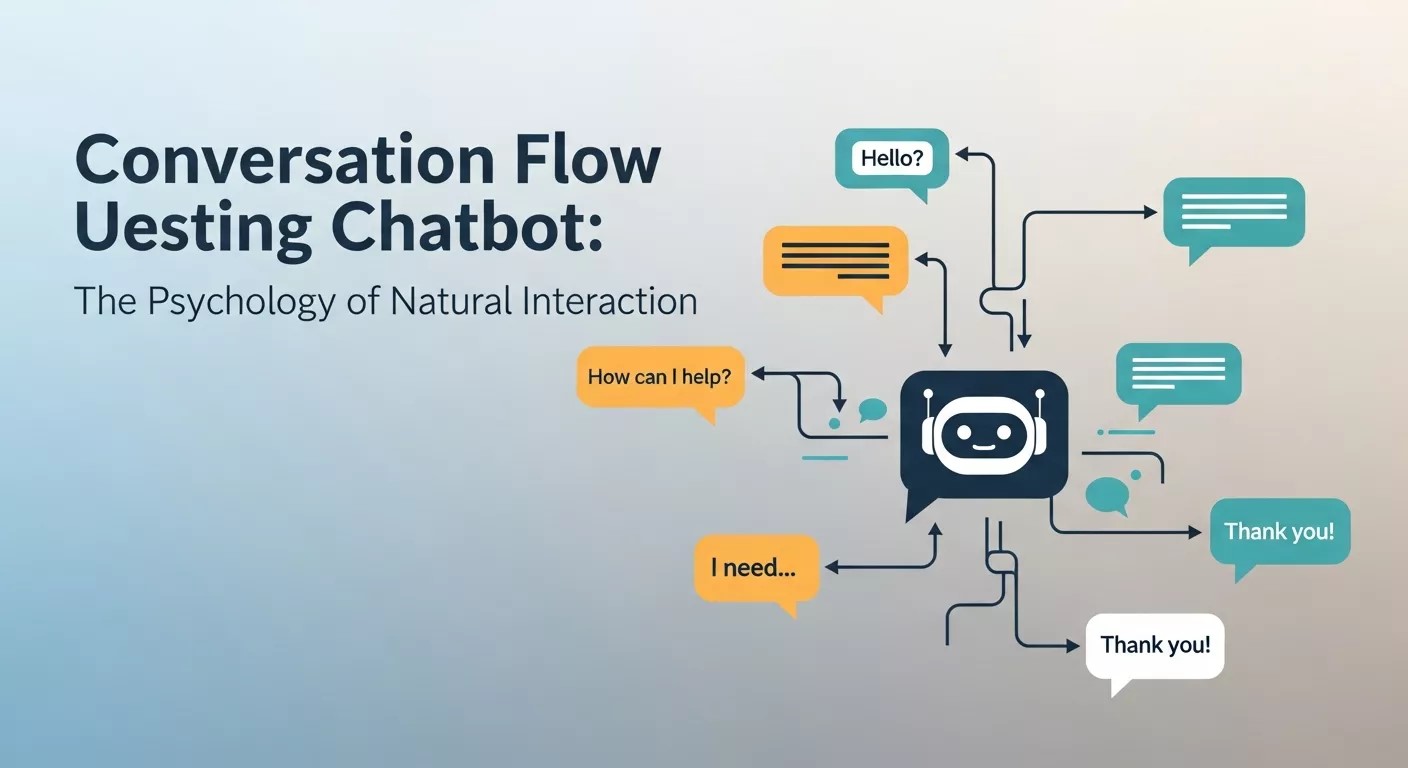
Conversations are emotional experiences, even when automated. Flow testing examines whether interactions feel natural, logical, and respectful.
This includes checking whether responses are too long or too short, whether transitions feel abrupt, whether clarifying questions make sense, and whether users feel guided rather than interrogated.
Poor conversation flow increases cognitive load. Users feel they are working for the chatbot instead of being helped by it. Testing must ensure that conversations reduce effort, not increase it.
Effective flow testing also checks how the chatbot recovers from mistakes. A graceful recovery builds trust. A defensive or repetitive response destroys it.
Accessibility Testing: Designing for Every User
Chatbots often fail users who rely on assistive technologies or alternative interaction methods. Accessibility testing ensures that the chatbot experience works for everyone, not just the average user.
This includes testing screen reader compatibility, keyboard navigation, contrast ratios, readable language, and response timing. Chatbots must support users with visual, auditory, cognitive, and motor impairments.
Businesses increasingly recognize that AI Chatbots for Accessibility are not just ethical choices, but strategic advantages. Accessible chatbots expand reach, reduce exclusion, and demonstrate brand responsibility.
Testing for accessibility should involve real assistive tools and diverse user scenarios, not assumptions.
Load and Stress Testing: Preparing for Real-World Scale
A chatbot that works perfectly with ten users may fail with ten thousand. Load testing evaluates how the chatbot performs under high traffic, peak hours, or unexpected spikes.
Stress testing simulates worst-case scenarios: simultaneous conversations, API delays, partial system failures, or data retrieval issues. The goal is to identify breaking points before customers experience them.
Performance degradation during high load is one of the fastest ways to lose trust. Users do not care why a chatbot is slow. They only remember that it failed when they needed it most.
Security and Privacy Validation: Trust Is Fragile
Chatbots often handle sensitive information such as personal details, account data, or payment-related queries. Security testing ensures that data is protected, encrypted, and accessed only when necessary.
Privacy testing validates whether data retention rules, consent mechanisms, and compliance requirements are enforced consistently. This is especially important as regulations evolve and user awareness increases.
Discussions around Chatbots and Data Privacy are no longer limited to legal teams. Customers actively evaluate whether brands respect their information. A single privacy failure can cause irreversible reputational damage.
Effective testing includes penetration testing, access control validation, audit log reviews, and scenario-based privacy checks.
Multichannel Testing: Consistency Across Touchpoints
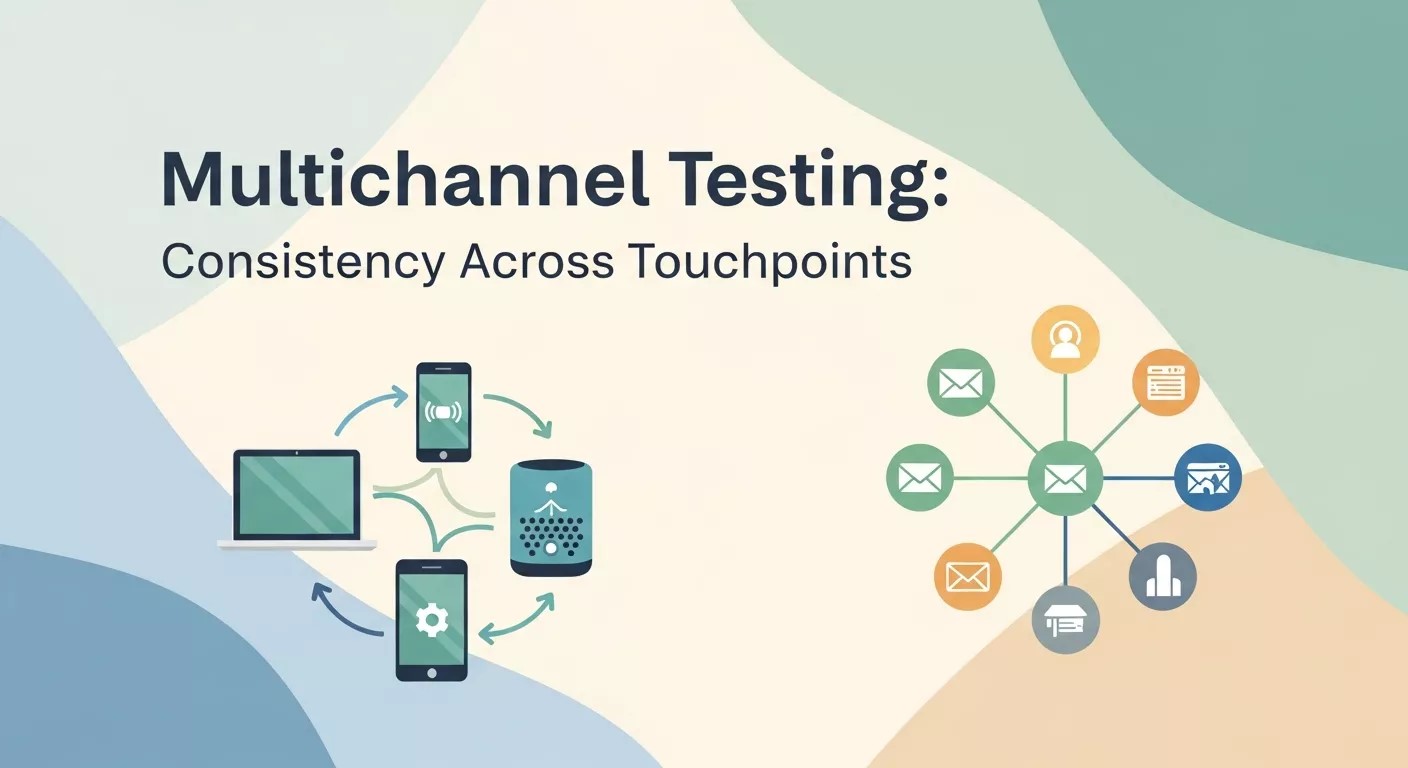
Modern chatbots operate across websites, apps, messaging platforms, and voice interfaces. Multichannel testing ensures that conversations remain consistent across all environments.
This includes verifying that context carries over, that tone remains uniform, and that features behave similarly regardless of platform limitations. A chatbot that works well on web but fails on mobile creates fragmented experiences.
Customers do not differentiate between channels. They expect continuity. Testing must reflect this expectation.
Human Escalation Testing: When Automation Hands Over
No chatbot should attempt to handle every situation. Escalation testing evaluates how smoothly the chatbot transfers conversations to human agents.
This includes checking whether context is preserved, whether users are informed clearly, and whether transitions feel supportive rather than dismissive.
A chatbot that escalates poorly makes users repeat themselves, increasing frustration. Effective escalation testing ensures that automation enhances human support rather than obstructing it.
Analytics Validation: Measuring What Matters
Testing also includes Data Validating analytics and reporting systems. If data is inaccurate, optimization becomes impossible.
Analytics testing checks whether metrics such as intent accuracy, resolution rate, drop-off points, sentiment signals, and conversion events are tracked correctly. Without reliable data, decisions are based on assumptions rather than evidence.
High-performing teams treat analytics as part of the chatbot experience, not an afterthought.
Continuous Testing: Chatbots Learn, So Must You
Unlike static systems, chatbots evolve. They learn from interactions, updates, and integrations. This makes continuous testing essential.
Every change in language models, training data, or backend systems introduces new variables. Continuous testing ensures that improvements do not introduce regressions.
Businesses that succeed long-term treat chatbot testing as an ongoing discipline rather than a launch-phase task.
Platform Mastery and Testing Discipline
Effective testing is easier when teams understand their chatbot platforms deeply. Knowing platform limitations, configuration nuances, and optimization tools allows more precise testing.
This is where Mastering Chatbot Platforms becomes a competitive advantage. Teams that understand their tools test smarter, detect issues faster, and optimize continuously instead of reacting blindly.
Platform mastery transforms testing from reactive debugging into proactive experience design.
The Psychological Cost of Poor Testing
Poorly tested chatbots do more than frustrate users. They erode trust silently. Customers may not complain. They simply leave.
Every confusing interaction creates micro-doubt. Over time, these doubts accumulate and influence buying decisions, retention, and brand perception.
Testing protects against these invisible losses. It ensures that automation strengthens relationships rather than weakening them.
Long-Term Business Impact of Effective Chatbot Testing
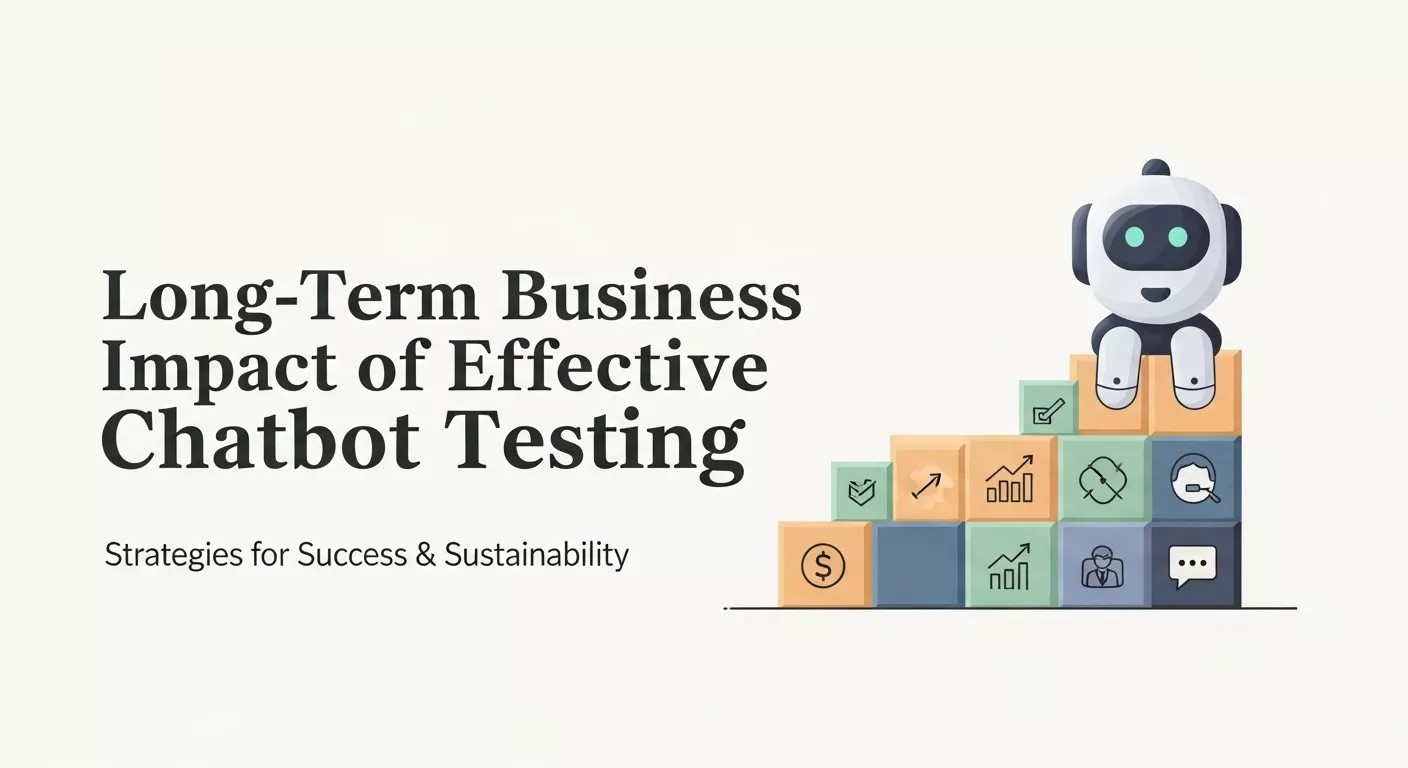
Businesses that invest in thorough chatbot testing effectively experience measurable benefits. Customer satisfaction increases. Support costs stabilize. Conversion rates improve. Agent burnout decreases.
More importantly, trust compounds. Customers feel supported, understood, and respected. That trust becomes a competitive advantage that is difficult to replicate.
Chatbot testing is not about perfection. It is about preparedness. It ensures that when customers interact with your brand, the experience reflects your standards, values, and ambitions.
Conclusion
Testing a chatbot is not a one-time task it is an ongoing process that directly impacts user trust, performance, and business outcomes. A well-tested chatbot responds accurately, handles edge cases smoothly, respects user data, and delivers a consistent experience across platforms. When testing is approached strategically, it transforms a chatbot from a basic automation tool into a reliable digital assistant that users actually enjoy interacting with.
As customer expectations continue to rise, businesses that invest time in thorough chatbot testing gain a clear advantage. Continuous validation, real-world scenario testing, and performance optimization ensure your chatbot remains effective, accessible, and secure as it scales. In the long run, careful testing is what turns chatbot technology into a meaningful asset rather than a risk.
Frequently Asked Questions (FAQ)
Why is chatbot testing so important before launch?
Chatbot testing ensures the bot responds accurately, understands user intent, and handles unexpected inputs without breaking the conversation. Without proper testing, users may face confusion, incorrect answers, or broken flows, which quickly damages trust and increases drop-offs.
What should be tested first in a chatbot?
Conversation flow and intent recognition should be tested first. These determine whether the chatbot understands user questions correctly and guides users smoothly. Once this foundation is solid, performance, integrations, and edge cases can be tested more effectively.
How often should a chatbot be tested after deployment?
Chatbot testing should be continuous. Every update, new feature, or data change can affect performance. Regular testing helps identify issues early and ensures the chatbot adapts to changing user behavior over time.
Can chatbot testing improve customer satisfaction?
Yes. A well-tested chatbot provides faster, more accurate, and more consistent responses. This reduces frustration, builds confidence, and makes users more likely to rely on the chatbot for support or information.
How do real user interactions help in chatbot testing?
Real conversations reveal patterns that test scripts often miss. User behavior highlights unexpected questions, language variations, and drop-off points, helping teams refine responses and improve overall experience.
Is chatbot testing only a technical process?
No. While technical validation is important, chatbot testing also involves usability, tone, clarity, and accessibility. Human review ensures the chatbot feels natural, respectful, and aligned with brand voice.
How does testing help with chatbot scalability?
Testing prepares the chatbot to handle higher traffic, multiple conversation paths, and new use cases. A well-tested chatbot scales smoothly without performance drops or inconsistent responses.
What happens if chatbot testing is ignored?
Skipping testing often leads to broken conversations, inaccurate replies, security risks, and poor user experience. Over time, this can reduce engagement, harm brand credibility, and increase support costs.
How often should a chatbot be tested after deployment?
Chatbot testing should be an ongoing process, not a one-time task. User behavior, language patterns, and business requirements change over time. Regular testing helps identify new intent gaps, broken flows, and performance issues early. Continuous testing also ensures the chatbot stays accurate, secure, and aligned with evolving customer expectations, preventing small issues from turning into major user experience problems.




AI Chatbots for CRM: Boost Customer Engagement & Loyalty
Transforming Employee Onboarding with AI Chatbots: A Step-by-Step Guide
Emergency Response Chatbots: Revolutionizing Crisis Management with AI
Revolutionizing Recruitment: How Chatbots Streamline Hiring Processes and Elevate Talent Acquisition