
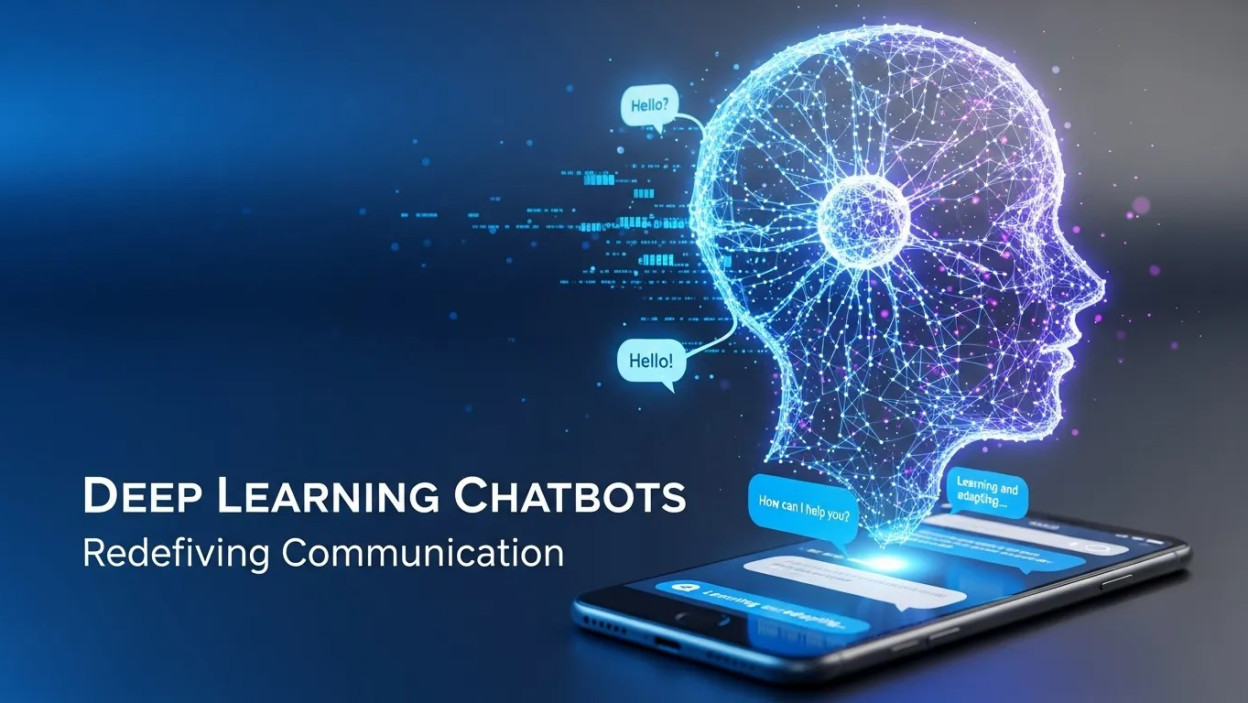
Thanks to artificial intelligence, smarter, faster, more effective communication awaits. One of the champions of this revolution is deep learning chatbots, and this is not just changing the way businesses engage with their customers but changing how we communicate across platforms with one another. Intelligent conversational AI tools like these are helping you to trim fat from customer service, improve interactions, and even automate the dull stuff.
Learn All About Deep Learning Chatbots
Chatbots have evolved far beyond the early rule-based programs of decades ago. Deep learning chatbots are the next stage of AI’s evolution. Unlike a typical chatbot that relies on scripted responses or pre-built decision trees, deep-learning chatbots, such as Mitsuko, understand their users and respond just as a human would. What sets them apart is that they can continue to learn from their conversations and become more intelligent and flexible over time.
What Sets Deep Learning Apart
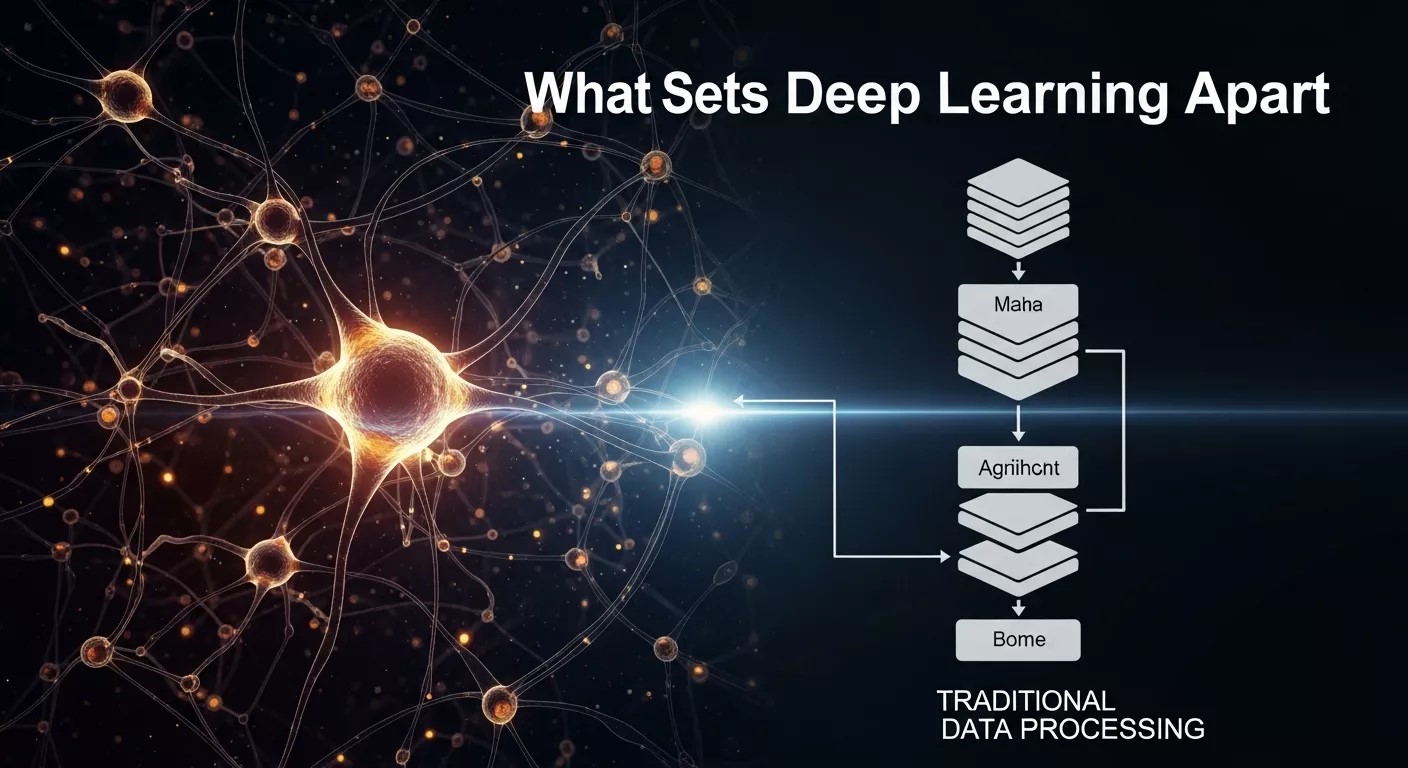
Deep learning tools are based on the concept of artificial neural networks, which simulate the human brain. This allows chatbots to:
-
Analyze conversation context and tone.
-
Comprehend language subtleties such as slang and idiomatic expressions.
-
Create personalized replies that seem real and interesting
With such features, deep learning chatbots can provide realistic and engaging conversations that were once deemed unattainable.
What You Should Know About Custom Chatbot Development
Building a deep learning chatbot is not an easy thing. It takes a combination of AI frameworks, cloud tech, and data pipelines to produce the very intuitive models. Here’s what it takes to build one:
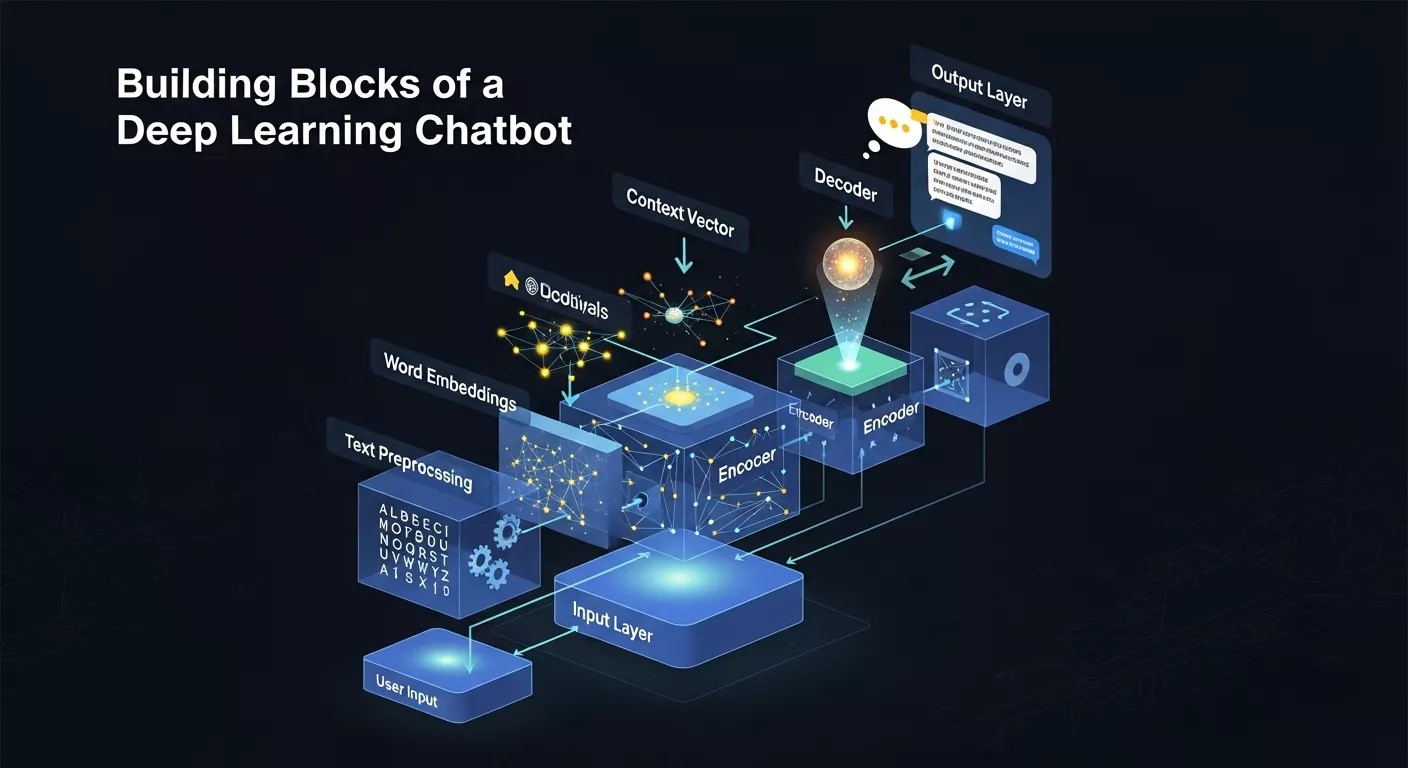
Building Blocks of a Deep Learning Chatbot
-
Natural Language Processing (NLP) – The bottom layer, which allows chatbots to interpret text or voice input by transforming human language into computable information.
-
Neural Networks: These enable the chatbot to learn from big data sets, recognize patterns, and make smarter predictions or decisions.
-
Training Data: The Amount and quality of training data are two of the most crucial elements in determining the capability and efficiency of the chatbot.
-
Backend Systems: Essential for easy integration with CRM systems, APIs, or third-party tools to collect the user-generated inputs and process them.
Why Customization Matters
Standard chatbots are too general for use in businesses. A personalized deep learning-based chatbot makes it possible to tailor your AI tool for maximum consistency with your brand, offerings, and expectations of customers. And whether they are answering FAQs or making product recommendations, customization is key for more effective results.
Pro Tip: “Spend a lot of time on data cleaning and preparation. Quality datasets are one of the most important part of a domain-specific bot.”
Key Features and Benefits
The power of deep learning chatbots lies in the complexity. The following are the key features and the endless list of advantages:
Features
-
Conversational Sophistication: Ability to understand tone and intent, and meaning.
-
Progressive Learning: Chatbots change and learn from past conversations, and become smarter over time.
-
Multilingual Support: Respond to phrase queries in different languages from around the world.
-
Omnichannel Adoption: Have seamless presence across websites, apps, social & voice assistants.
-
Personalization: Create personalized experiences and recommendations; better anticipate customer needs and answer questions more quickly.
Benefits
-
Enhanced Customer Experience
Quick, 24/7 help leads to happier customers. Deep learning chatbots are able to reduce frustration and sense context, escalating to humans and interjecting in more advanced scenarios if needed. -
Cost Reduction
Companies can save significant costs from the automation of routine inquiries. A properly implemented chatbot does wonders to decrease reliance on vast support teams. -
Scalability
Handling thousands of users at a time with no downtime. Whether it’s dealing with modest spikes of traffic or the burden of a viral hit, your chatbot is equipped for both. -
Efficiency Gains
Automating routine tasks so your staff can concentrate on value-added activities. -
Actionable Insights
Get insights-based information from the conversation, meaning what the customer is experiencing, wants, and trends, driving decisions.
Example: A business such as Spotify can save hours by employing chatbots to onboard new users, becoming a virtual assistant that takes people by the hand to features, preferences, and playlists.
Implementation and Use Cases
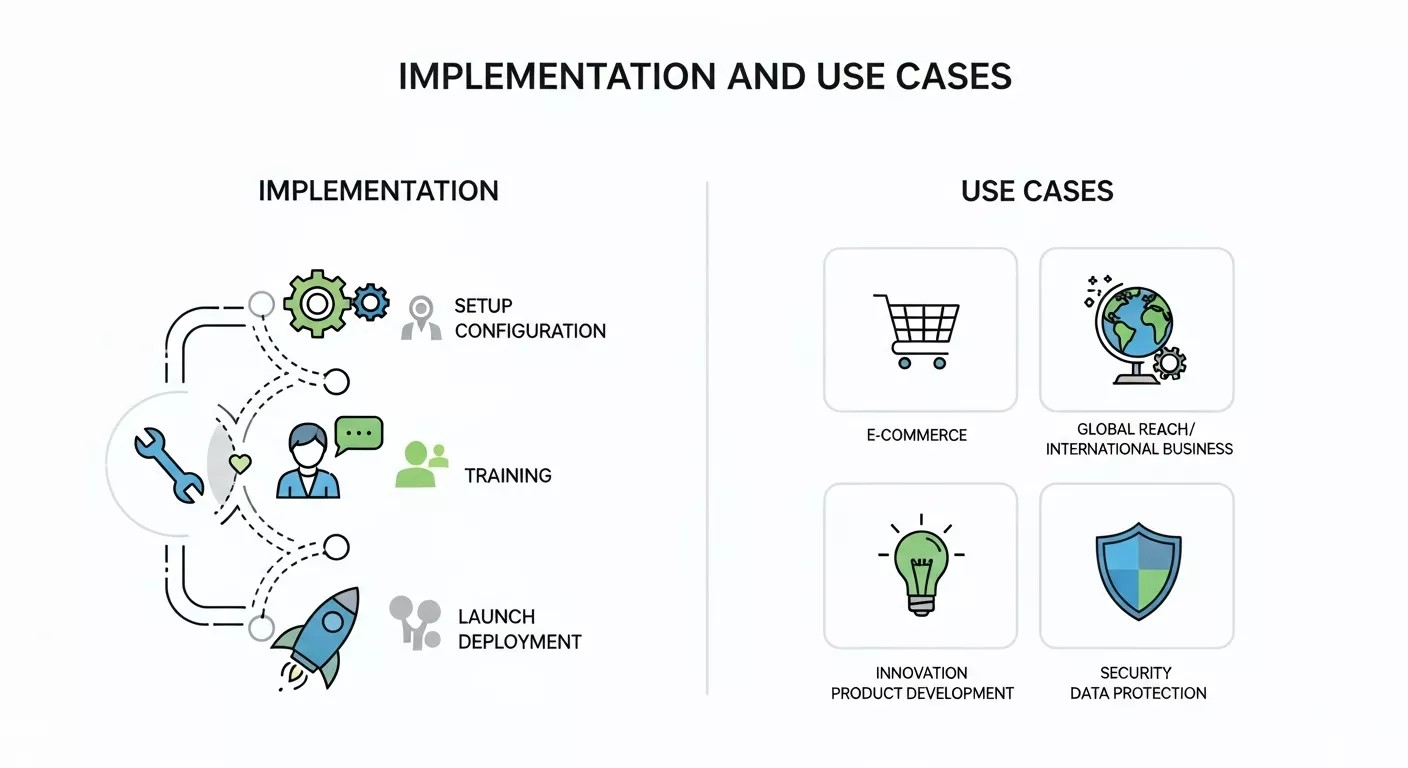
Developing a deep learning chatbot requires proper planning, selecting the right tools, and rigorous testing. Enterprises deploying these chatbots — and the industries that are revolutionizing them.
Key Steps for Implementation
-
Set Goals: Be clear with the plans of your chatbot, customer service, internal processes, or so on.
-
Choose a framework to develop on: Utilize powerful frameworks such as TensorFlow, PyTorch, or Google Dialogflow.
-
Go Cross-Channel: Leverage API platforms to integrate your chatbot with notable touchpoints such as Slack, Facebook Messenger, or Shopify.
-
Test and Perfect: As you release your bot, consistently test it to see if there’s anything that can be done better or if the bot is still riddled with bugs that can be reviewed via the analytics.
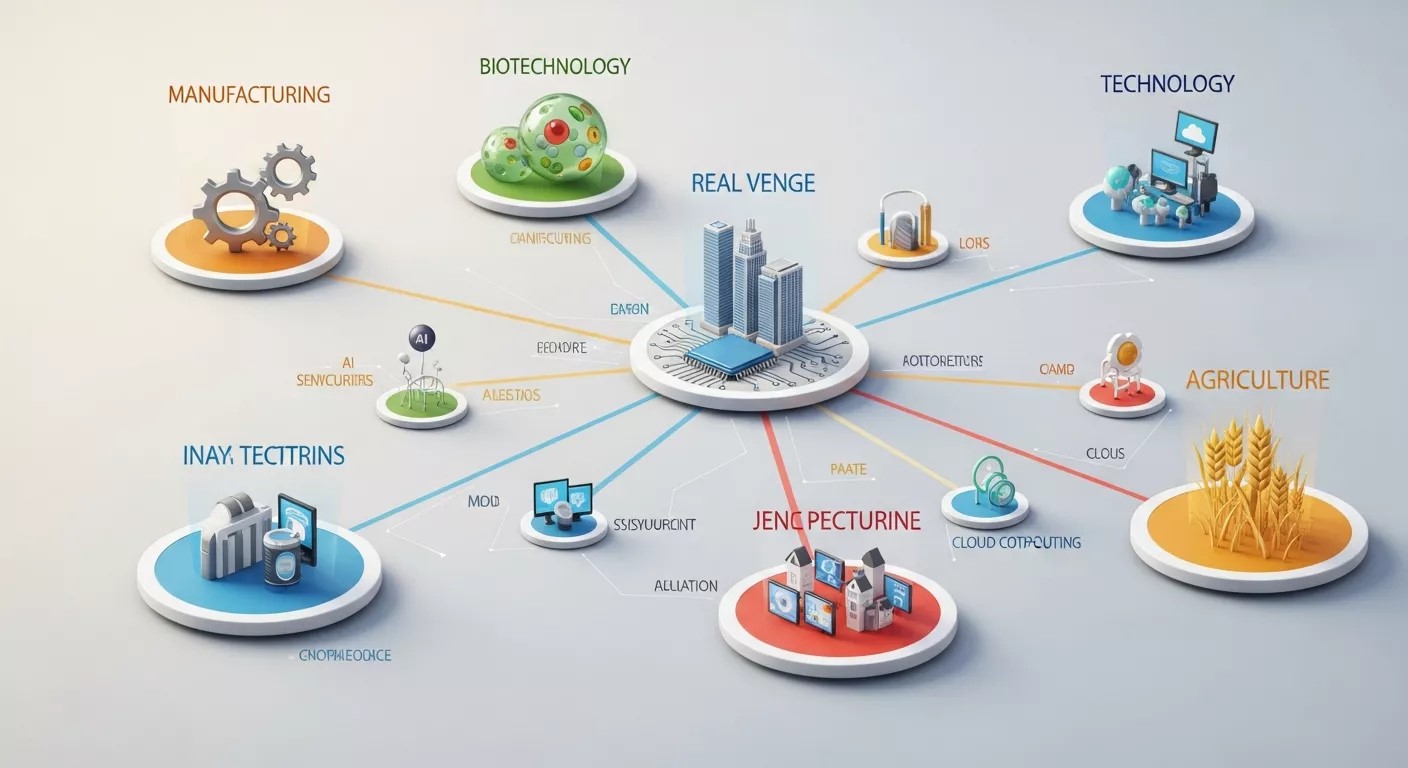
Industries and Applications
-
Chatbots: E-Commerce, upsells, cross-sells, and browse abandonment assistance
-
Health: Support medication adherence, triage patient questions, or manage appointment scheduling
-
Travel: Help with hotel reservations, flight information, and tailored destination guides
-
Finance: Send automatic responses to simple account queries, fraud, and financial advice
-
Education: AI tutors can recommend courses and help students with content
Pro Tip: Make sure to respect privacy and data protection policies such as GDPR when deploying AI in sectors such as healthcare, finance, etc.
What We Can Expect in the Future and How the Chatbots Will Evolve
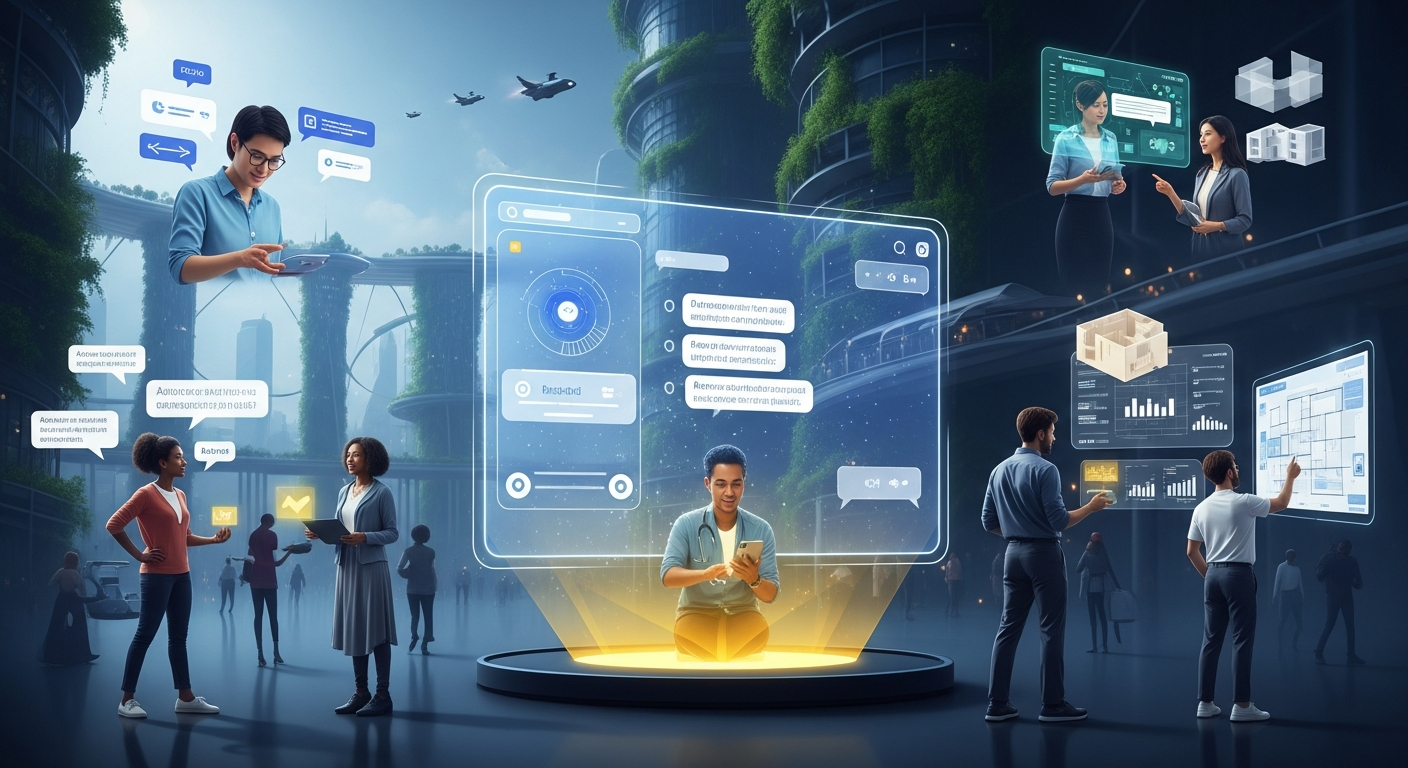
The future of deep learning chatbot tech is nothing short of thrilling. Here are a few trends that are shaping that growth:
-
More Emotionally Intelligent
Before long, chatbots will be able to recognize not just words but feelings, and could change what they say based on user emotions as they change over time. -
Hyper-Personalization
AI will expand far beyond addressing users by name; it will anticipate their needs and act proactively. -
Voice-Activated Assistants
Deep learning combined with voice recognition will power smarter assistants (Alexa and Siri) and wider enterprise applications. -
Fluid Collaboration Between Humans and AI
Bots will not replace us, the humans, but will coexist with us, the human users, as we known that while the easiest question can be handled by an automation, the more difficult questions should be sorted by a live agent.
The Takeaway
Chatbots are here to stay, and those enterprises that adopt them now will have sustainable, long-term competitive advantages.
Do your part in contributing to the existence of smarter communication by acting now!
Deep learning chatbots are an evolution in tech — they’re a revolution in conversation. With so much potential and customizations possible, there is no reason for any organization not to be playing around with chatbots asap.
If you are ready to improve your operations and future-proof your business, you can start by trying chatbot solutions. Need help? You could give AI tools such as Jasper a go, which would make custom chatbot script writing more straightforward. Let both your business and customers talk smarter, not harder.
Discover effective strategies for building a strong reputation and enhancing your personal brand.
AI Chatbots in Healthcare

AI Chatbots in Healthcare are transforming how patients interact with medical services. From appointment scheduling to symptom checking, these intelligent systems help reduce pressure on healthcare professionals while improving patient experience. AI chatbots in healthcare can provide instant responses, medication reminders, and basic medical guidance without replacing doctors. With deep learning capabilities, they can understand patient intent, context, and urgency more accurately. Hospitals and clinics use chatbots to streamline administrative workflows and improve accessibility, especially for remote patients. When designed responsibly, AI chatbots in healthcare also comply with data privacy regulations, ensuring sensitive patient information remains secure while delivering faster, more efficient care.
Bots and Chatbots
Bots and Chatbots have become essential tools in modern digital ecosystems. While bots perform automated tasks, chatbots focus on conversational interaction between users and systems. The evolution of bots and chatbots has moved from simple command-based tools to intelligent, learning-driven solutions. Businesses use chatbots to handle customer queries, generate leads, and automate repetitive processes, while bots manage background tasks like data collection or notifications. The combination of bots and chatbots improves operational efficiency and user engagement simultaneously. As artificial intelligence advances, these tools continue to blur the line between automation and human-like interaction, reshaping how organizations communicate online.
Emotionally Intelligent Chatbots
Emotionally Intelligent Chatbots are redefining human-AI interaction by understanding not just words, but emotions. These chatbots analyze tone, context, and sentiment to deliver empathetic and appropriate responses. Emotionally intelligent chatbots are especially valuable in customer support, healthcare, and education, where emotional sensitivity matters. By recognizing frustration, confusion, or satisfaction, they adapt their responses to improve user experience. Deep learning enables these chatbots to refine emotional detection over time. When implemented correctly, emotionally intelligent chatbots build trust, strengthen relationships, and make conversations feel more natural, bridging the gap between automation and genuine human interaction.
Dark Web AI Chatbots
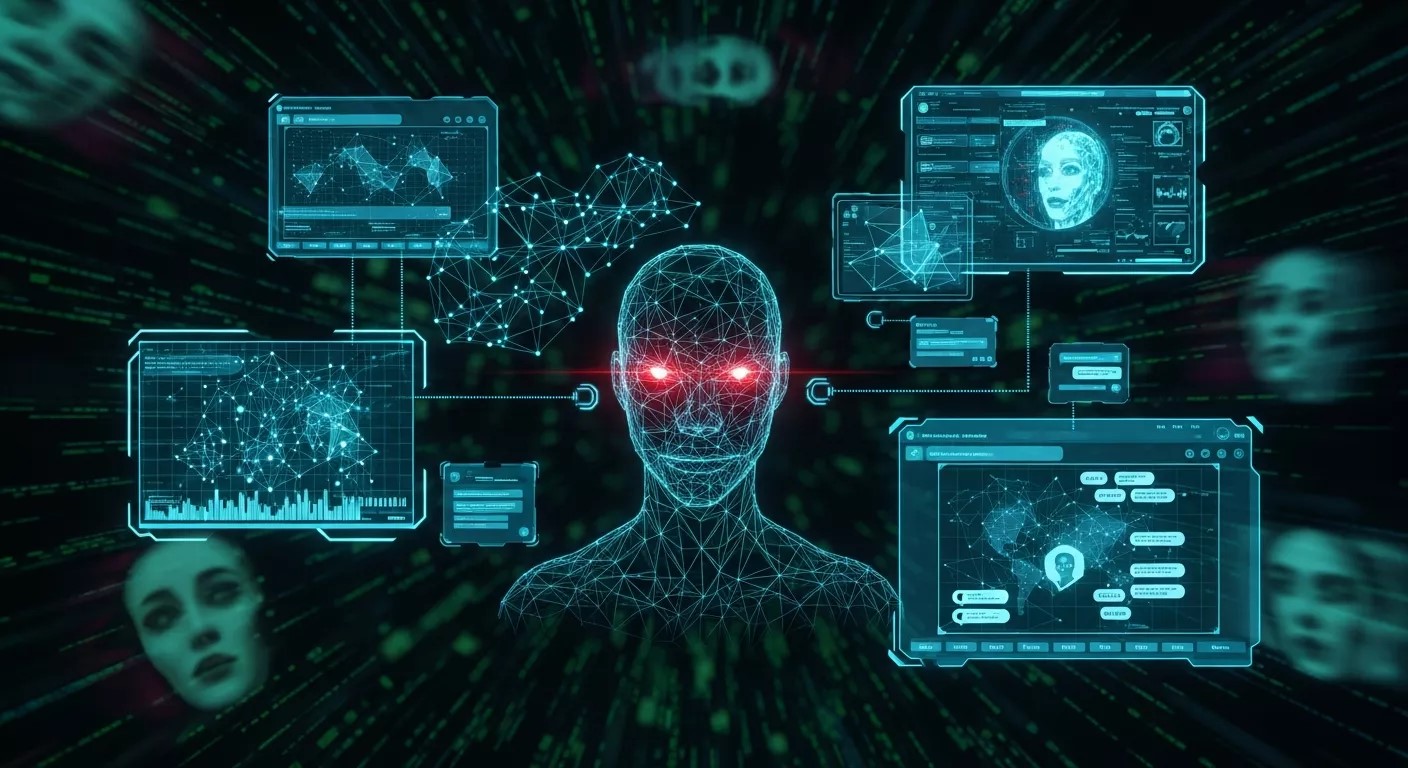
Dark Web AI Chatbots represent the lesser-known and risky side of artificial intelligence. Unlike legitimate business chatbots, these systems are often used for malicious purposes such as automated scams, phishing, or illegal data trading. Dark web AI chatbots leverage advanced language models to imitate human conversations convincingly, making them difficult to detect. Their existence highlights the importance of ethical AI development and cybersecurity awareness. As AI technology grows more powerful, businesses and governments must remain vigilant against misuse. Understanding dark web AI chatbots helps organizations strengthen security measures and promote responsible, transparent use of conversational AI.
The Strategic Impact of Deep Learning Chatbots on Modern Communication
Modern digital communication has entered a new phase, driven by the rapid adoption of Deep Learning Chatbots across industries. These intelligent systems are no longer limited to answering basic questions; they now understand intent, context, and user behavior in real time. Businesses use Deep Learning Chatbots to maintain consistent communication across multiple touchpoints while reducing response delays and operational friction. Unlike traditional automation tools, these chatbots continuously learn from conversations, allowing interactions to feel increasingly human and relevant.
This shift marks The Chatbots Revolution, where conversational AI becomes a strategic asset rather than a support add-on. Deep Learning Chatbots help brands maintain tone, personalize responses, and deliver accurate information even during high-traffic periods. By combining neural networks with advanced NLP, organizations can automate repetitive conversations while preserving quality and empathy. As customers increasingly expect instant, intelligent responses, Deep Learning Chatbots provide a scalable solution that aligns efficiency with meaningful engagement, redefining how communication works in the digital age.
Data, Intelligence, and Learning: The Core Strength of Deep Learning Chatbots
At the heart of Deep Learning Chatbots lies their ability to learn from data and improve autonomously. These chatbots rely on vast datasets, neural networks, and contextual modeling to understand not just what users say, but why they say it. This learning-driven architecture enables Deep Learning Chatbots to adapt responses based on previous interactions, user preferences, and evolving language patterns. Over time, this results in higher accuracy, better intent recognition, and smoother conversations.
Unlike static systems, Deep Learning Chatbots grow more intelligent with every exchange. They can identify recurring issues, detect sentiment shifts, and optimize replies without constant human intervention. This intelligence allows businesses to uncover actionable insights from conversations, improving services and decision-making. As data quality improves, chatbot performance follows, creating a feedback loop of learning and refinement. In an environment where personalization and speed are critical, Deep Learning Chatbots transform raw conversational data into strategic value.
Mastering Deployment and Customization for Business-Ready Chatbots
Successful implementation of Deep Learning Chatbots depends on thoughtful design, customization, and integration. Businesses must align chatbot behavior with brand voice, user expectations, and operational goals. From selecting the right NLP framework to integrating CRM and analytics tools, every step influences chatbot effectiveness. Customization ensures that Deep Learning Chatbots can handle industry-specific queries, comply with regulations, and maintain conversational consistency.
Mastering Chatbot Platforms is essential for achieving this balance. By leveraging scalable platforms and APIs, organizations can deploy Deep Learning Chatbots across websites, apps, and messaging channels without disrupting workflows. Continuous testing, training, and optimization ensure the chatbot remains accurate and relevant over time. When properly customized, Deep Learning Chatbots become reliable digital assistants that support teams, reduce manual workload, and enhance user satisfaction, all while operating seamlessly in the background.
Future Growth and Competitive Advantage Through Deep Learning Chatbots
The future of digital interaction will be shaped by Deep Learning Chatbots that are emotionally aware, proactive, and deeply personalized. These systems will move beyond reactive communication to anticipate user needs and offer timely solutions. Businesses adopting Deep Learning Chatbots early gain a competitive edge by delivering faster service, richer insights, and consistent engagement at scale. As voice interfaces and multimodal AI evolve, chatbots will become even more embedded in daily interactions.
Deep Learning Chatbots will also strengthen collaboration between humans and AI rather than replacing human roles. Routine conversations will be automated, allowing teams to focus on complex, value-driven tasks. With continuous learning and ethical implementation, Deep Learning Chatbots can build trust while maintaining data security and transparency. In a crowded digital marketplace, organizations that invest in intelligent conversational AI position themselves for long-term growth, innovation, and customer loyalty.
The Expanding Role of Conversational AI
The expanding role of conversational AI goes far beyond basic chat functionality. Modern chatbots integrate deep learning, NLP, and contextual awareness to support complex decision-making processes. Businesses deploy conversational AI across sales, support, marketing, and internal operations to enhance productivity and consistency. These systems learn continuously from interactions, improving accuracy and personalization over time. As conversational AI evolves, it enables seamless collaboration between humans and machines rather than replacement. This expanding role positions chatbots as strategic digital assistants that drive smarter communication, scalable growth, and long-term innovation across industries.
Frequently Asked Questions (FAQ)
What are deep learning chatbots?
Deep learning chatbots are advanced AI-powered conversational systems that use neural networks and machine learning models to understand context, intent, and language nuances. Unlike rule-based chatbots, they continuously learn from interactions and improve responses over time, making conversations more natural and human-like.
How are deep learning chatbots different from traditional chatbots?
Traditional chatbots rely on predefined rules and scripted flows, while deep learning chatbots analyze data, context, and user behavior to generate dynamic responses. They can understand slang, tone, and intent, allowing for more flexible and intelligent conversations across platforms.
What technologies are used to build deep learning chatbots?
Deep learning chatbots are built using technologies such as Natural Language Processing (NLP), neural networks, machine learning frameworks like TensorFlow or PyTorch, cloud infrastructure, and large datasets for training and optimization.
Why is custom chatbot development important?
Custom chatbot development allows businesses to tailor chatbot behavior, tone, and functionality to their brand and audience. A customized deep learning chatbot aligns better with business goals, customer expectations, and industry-specific use cases, resulting in higher engagement and efficiency.
What are the key benefits of deep learning chatbots for businesses?
Deep learning chatbots improve customer experience, reduce operational costs, scale effortlessly during high traffic, automate repetitive tasks, and generate actionable insights from conversations. They help businesses operate faster while maintaining consistent service quality.
Which industries benefit most from deep learning chatbots?
Industries such as e-commerce, healthcare, finance, travel, and education benefit greatly from deep learning chatbots. These bots assist with customer support, recommendations, scheduling, onboarding, and personalized guidance across digital channels.
Are deep learning chatbots secure and privacy-compliant?
When implemented correctly, deep learning chatbots can be secure and compliant with data protection regulations like GDPR. Proper encryption, secure APIs, and responsible data handling practices are essential to protect user information and maintain trust.
Can deep learning chatbots support multiple languages?
Yes, deep learning chatbots can support multilingual communication. By training models on diverse language datasets, chatbots can understand and respond in multiple languages, making them ideal for global businesses.
How do deep learning chatbots improve over time?
These chatbots learn continuously from user interactions. By analyzing past conversations, feedback, and behavioral patterns, they refine responses, improve accuracy, and adapt to changing user needs without constant manual updates.
What is the future of deep learning chatbots?
The future includes emotionally intelligent chatbots, hyper-personalized interactions, advanced voice-based assistants, and seamless collaboration between humans and AI. Deep learning chatbots will play a central role in smarter, more proactive communication systems.



AI Chatbots for CRM: Boost Customer Engagement & Loyalty
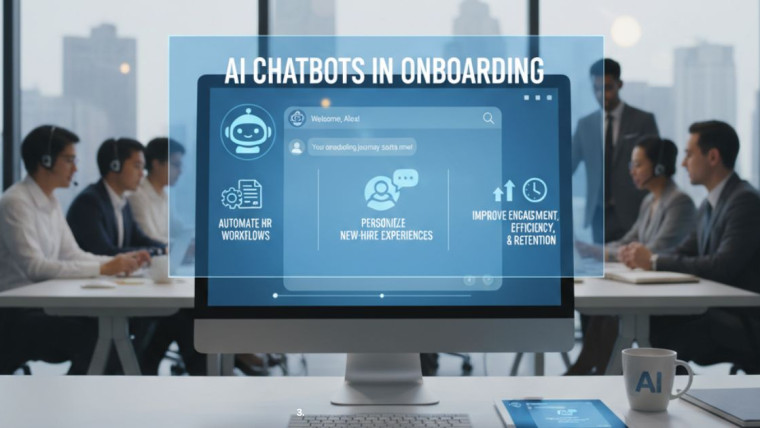
Transforming Employee Onboarding with AI Chatbots: A Step-by-Step Guide
Emergency Response Chatbots: Revolutionizing Crisis Management with AI
Revolutionizing Recruitment: How Chatbots Streamline Hiring Processes and Elevate Talent Acquisition