
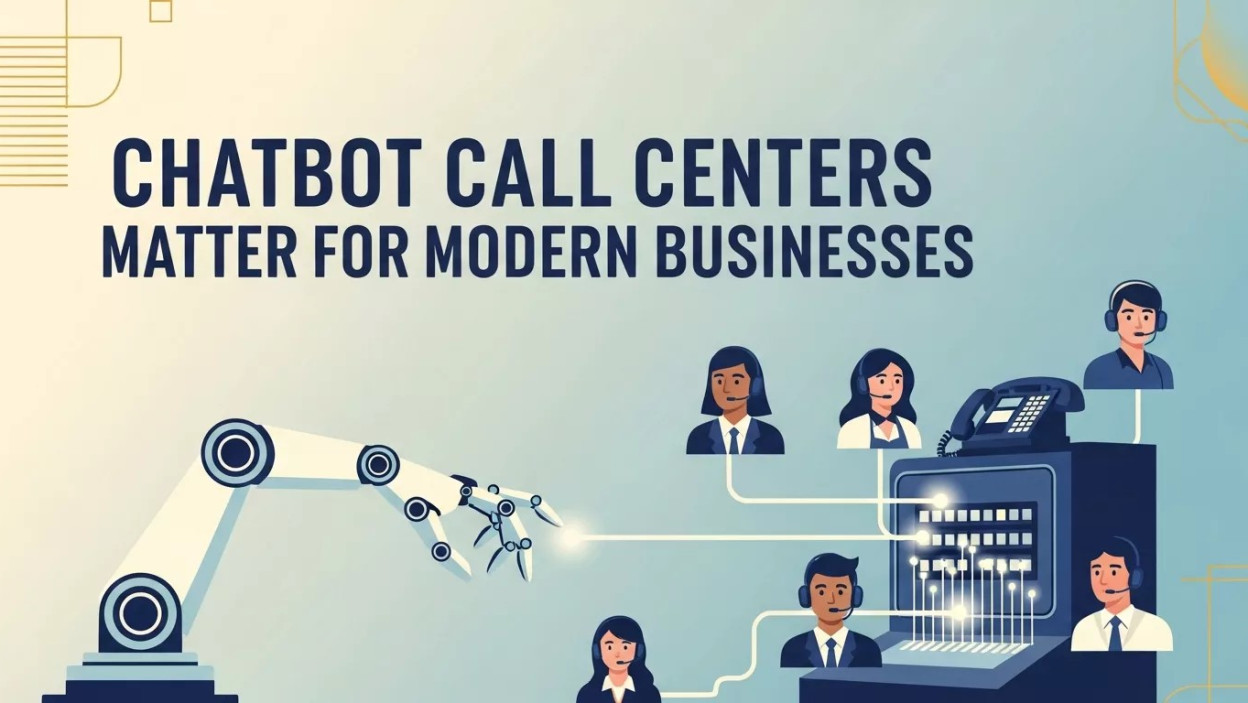
Chatbot call centers help modern businesses deliver faster, more consistent, and cost-effective customer support. They reduce wait times, scale easily as demand grows, and improve customer experience without increasing operational pressure. By combining automation with data insights and strong privacy practices, chatbot call centers are becoming essential for businesses that want to stay competitive and meet rising customer expectations.
Why Chatbot Call Centers Matter for Modern Businesses
Customer Support Is Quietly Being Rewritten
Modern businesses are operating in an environment where customer patience is shrinking and expectations are expanding at the same time. People no longer judge your brand based on industry competitors alone. Instead, they subconsciously compare every interaction with the fastest, smartest, and smoothest digital experience they have ever had regardless of the industry.
A customer who receives instant responses from a global eCommerce brand expects the same speed from a SaaS company, a healthcare provider, or a local service business. Availability, accuracy, personalization, and ease are no longer premium features. They are assumed.
Traditional call centers, once the foundation of customer communication, are now struggling under this pressure. Long queues, repeated explanations, inconsistent answers, and rising costs have turned support teams into bottlenecks instead of brand builders. Businesses are discovering that scaling human-only support systems is no longer sustainable in a world that never sleeps.
This is where chatbot-powered call centers are stepping in not loudly, not dramatically, but decisively. They are reshaping how modern businesses communicate, reduce friction, build trust, and protect long-term growth.
From Reactive Support to Intelligent Conversation Systems
For decades, customer support followed a reactive model. A customer faced a problem, contacted support, waited in line, and hoped the agent had enough context to help. IVR systems attempted to improve efficiency but often made things worse by forcing customers into rigid decision trees that didn’t reflect real human intent.
Chatbot call centers represent a fundamental shift. Instead of forcing customers to adapt to systems, these systems adapt to customers.
Modern chatbots understand natural language, interpret intent, detect sentiment, and respond contextually. They do not simply answer questions; they guide conversations. They remember previous interactions, adapt responses over time, and seamlessly escalate complex issues to human agents without losing continuity.
This transformation is not about eliminating human agents. It is about elevating them. Chatbots handle repetitive, high-volume, predictable interactions so human teams can focus on empathy, judgment, and complex problem-solving areas where humans add the most value.
Why Response Speed Has Become a Psychological Trust Signal

Speed is no longer just a performance metric. It is a psychological signal.
When customers receive immediate responses, they perceive the brand as competent, reliable, and respectful of their time. Delays, even short ones, trigger uncertainty. Uncertainty creates doubt, and doubt quietly destroys conversions.
Chatbot call centers remove waiting time from the equation for most interactions. Whether it’s midnight or peak business hours, customers receive instant acknowledgment and guidance. This constant availability builds subconscious trust.
When customers trust that help is always available, they are more likely to complete purchases, ask clarifying questions instead of abandoning sessions, and remain loyal after encountering issues. Over time, speed becomes a competitive advantage that compounds.
Scaling Customer Support Without Scaling Risk
One of the most difficult challenges modern businesses face is growth without chaos. Hiring and training call center agents requires time, money, and ongoing management. As customer volume grows, operational complexity increases, and service quality often becomes harder to maintain.
Chatbot call centers scale differently.
Once deployed, a chatbot can manage thousands of conversations simultaneously without fatigue, performance decline, or additional payroll costs. Growth does not introduce instability. Instead, it strengthens the system by generating more data and improving learning models.
This is why businesses increasingly prioritize building a Chatbot That Works for Your Business rather than adopting generic tools. A tailored chatbot aligns with internal workflows, customer journeys, and industry-specific requirements. It becomes part of the business infrastructure rather than a surface-level add-on.
Predictable costs, consistent service quality, and growth without fear become achievable realities.
The Invisible Trust Builder
Human agents bring empathy and creativity, but they also bring variability. Different agents may interpret policies differently, explain pricing inconsistently, or respond based on mood and workload. Customers notice these inconsistencies, even if they don’t consciously articulate them.
Chatbots deliver consistency by design.
Every customer receives the same accurate information, the same tone, and the same policy adherence. This predictability creates a sense of safety. Customers feel confident that the information they receive is reliable, regardless of when or how they contact support.
Consistency is particularly critical in sensitive areas such as pricing explanations, compliance communication, technical troubleshooting, and refund policies. In these moments, clarity and uniformity matter more than personality.
The Advantage Traditional Call Centers Cannot Match
One of the most underestimated benefits of chatbot call centers is their ability to transform conversations into structured data.
Every interaction generates insights. Businesses can identify recurring pain points, detect where users drop off, understand common objections, and track sentiment patterns over time. Unlike traditional call centers where insights remain locked inside call recordings chatbots convert conversations into actionable intelligence.
This data feeds into marketing strategies, product improvements, onboarding flows, and customer experience optimization. Over time, businesses develop a deep, evidence-based understanding of customer behavior that manual systems simply cannot replicate at scale.
Trust in Automation Starts With Privacy
As automation becomes more visible, customers are becoming more conscious of how their data is handled. Trust is fragile, and privacy failures have long-term consequences.
This is why Chatbots and Data Privacy are no longer secondary considerations. Secure chatbot call centers are built with encryption, access controls, and compliance frameworks that protect sensitive information by default.
In many cases, chatbots actually reduce privacy risk by minimizing unnecessary human access to personal data, enforcing consistent data-handling rules, and maintaining clear audit trails. Customers may not explicitly praise strong privacy practices, but they immediately lose trust when privacy is compromised.
Creating Seamless Experiences Across Channels

Customers do not think in terms of platforms. They move fluidly between websites, messaging apps, social media, and voice calls. Traditional systems often treat these channels as separate silos, forcing customers to repeat information and restart conversations.
Chatbot call centers unify these experiences.
Context follows the customer across channels. A conversation that starts on a website can continue on WhatsApp and conclude over voice without losing continuity. This seamless flow feels intelligent, respectful, and human even when automation is involved.
Reducing Burnout While Increasing Human Impact
Call center burnout is a silent productivity killer. Repetitive questions, emotional labor, and constant pressure drain even the most skilled agents. High turnover increases costs and reduces service quality.
Chatbots absorb repetitive and emotionally neutral interactions, freeing human agents to focus on complex cases, emotional support, and relationship-building conversations. This shift improves job satisfaction, reduces burnout, and enhances overall team performance.
Better-supported agents deliver better experiences. Automation, when implemented correctly, improves human work rather than replacing it.
Why Delaying Adoption Is Riskier Than Acting Early
Many businesses postpone chatbot adoption, assuming they can “catch up later.” The reality is that early adopters gain compounding advantages.
They collect more data, refine systems faster, and train AI on richer interaction histories. Late adopters face steeper learning curves and higher customer expectations shaped by competitors who already offer instant, intelligent support.
This dynamic explains The Rise of Chatbots and Why Your Business Needs One today not because chatbots are trendy, but because customer expectations are being redefined by brands that already use them.
Chatbot Call Centers as Revenue Drivers
Modern chatbot call centers do more than reduce costs. They actively contribute to revenue.
They qualify leads in real time, recommend relevant products during support conversations, recover abandoned carts, upsell services, and schedule demos or callbacks. Because chatbots operate at scale, even small increases in conversion rates can generate significant financial impact.
Customer support becomes a growth engine rather than a cost center.
Long-Term Impact on Business Sustainability
Businesses that integrate chatbot call centers strategically experience faster response times, lower operational costs, higher customer satisfaction, stronger retention, and increased brand trust. Over time, these advantages compound into sustainable competitive positioning.
Chatbots are not shortcuts. They are infrastructure just like CRMs, payment systems, or analytics platforms. Once customers expect them, not having them becomes a disadvantage.
How Customer Expectations Are Quietly Redefining Support Standards
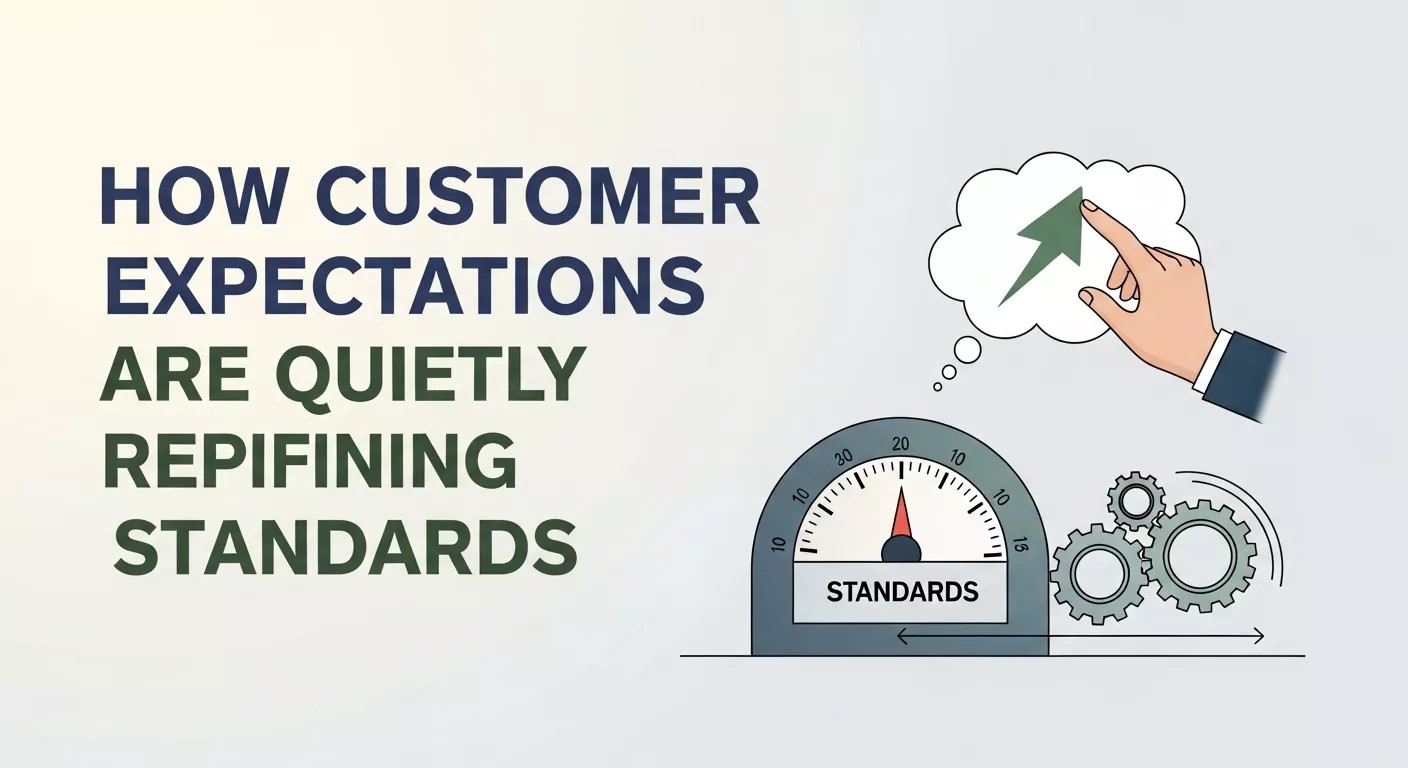
Modern customers are no longer impressed by basic availability. What truly matters today is how fast, how accurately, and how naturally a brand responds. Every interaction becomes a comparison point whether the customer realizes it or not. If your response feels slow, generic, or disconnected, trust erodes silently. This shift is subtle but powerful, and businesses that fail to notice it often wonder why loyalty declines without obvious complaints.
Chatbot-driven call centers address this expectation gap by offering immediate, contextual conversations. Instead of forcing customers to wait or repeat themselves, intelligent systems recognize intent instantly and respond in a way that feels human, even when it’s automated. This creates a perception of competence and reliability, two psychological triggers that strongly influence brand preference.
Why Availability Alone Is No Longer Enough
Many businesses believe that offering 24/7 support is enough to satisfy customers. In reality, availability without intelligence often leads to frustration. Customers don’t just want someone to respond they want the right response, instantly, and without effort.
Chatbot call centers excel here because they combine availability with understanding. They don’t just exist around the clock; they actively guide conversations forward. This distinction matters. A system that responds immediately but fails to resolve issues damages trust faster than delayed support. Intelligent chatbots, on the other hand, move conversations toward resolution, creating momentum rather than friction.
Why Customization Determines Long-Term Success
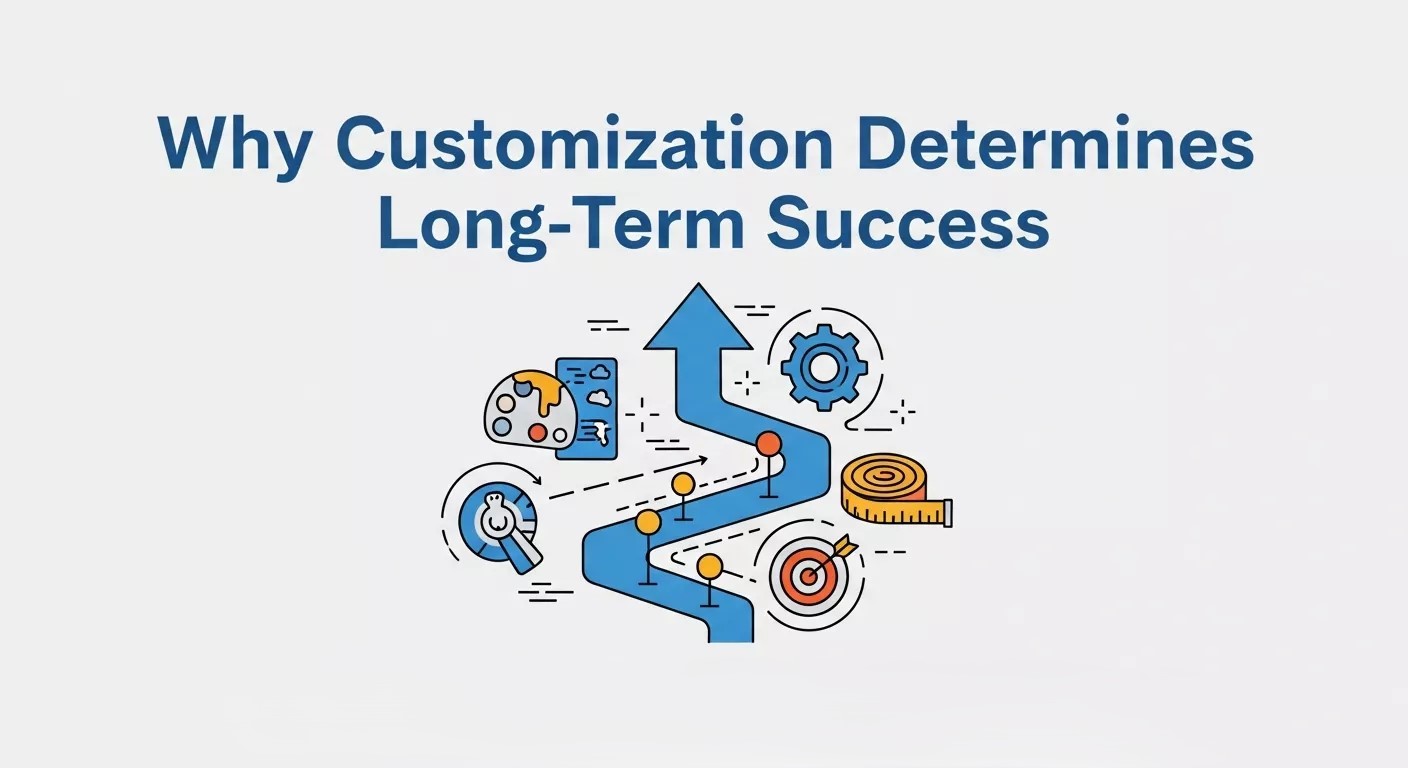
Not all chatbot implementations succeed. The difference between success and failure usually lies in customization. Generic bots frustrate users because they don’t understand business-specific language, workflows, or customer intent.
That’s why companies increasingly invest in a Chatbot That Works for Your Business, tailored to their industry, audience behavior, and support goals. Customization allows chatbots to sound natural, anticipate needs, and guide conversations intelligently. This personalization is what transforms automation into a competitive advantage rather than a liability.
How Data Turns Conversations Into Strategy
Every chatbot interaction generates insights that go far beyond support resolution. Patterns emerge common objections, recurring confusion points, emotional triggers, and conversion signals. Unlike traditional call centers, chatbot systems organize this data automatically.
Over time, this intelligence informs marketing campaigns, product decisions, onboarding flows, and even pricing strategies. Businesses stop guessing and start responding to real behavior. This feedback loop strengthens decision-making and reduces costly experimentation.
Conclusion
Modern customer support is no longer defined by how many calls a business can handle, but by how quickly and intelligently it can respond. Chatbot-powered call centers give businesses the ability to stay available at all times, deliver consistent experiences, and scale without losing control over costs or quality. They transform support from a reactive function into a strategic advantage that strengthens trust, loyalty, and long-term growth. As customer expectations continue to rise, adopting chatbot call centers is no longer a future plan it is a present-day necessity for businesses that want to remain relevant and competitive.




AI Chatbots for CRM: Boost Customer Engagement & Loyalty
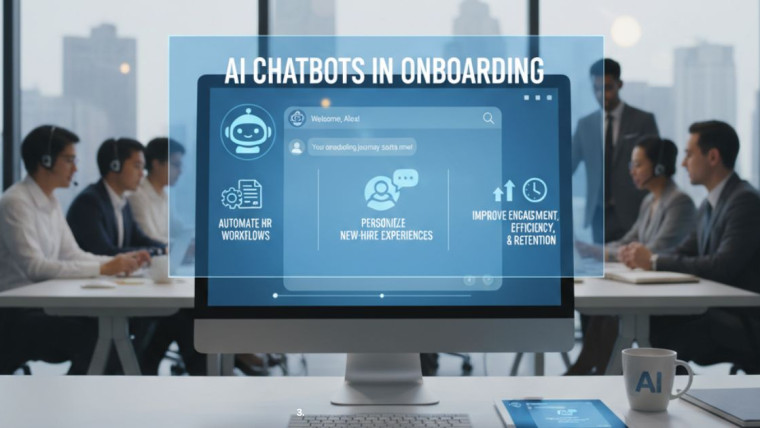
Transforming Employee Onboarding with AI Chatbots: A Step-by-Step Guide
Emergency Response Chatbots: Revolutionizing Crisis Management with AI
Revolutionizing Recruitment: How Chatbots Streamline Hiring Processes and Elevate Talent Acquisition