
Chatbots are no longer a novelty, “coming soon to a future near you.” They’re an integral part of the digital landscape today. Chatbots are changing the way businesses engage with their target audience, be it in the form of handling customer queries or creating tailored user experiences. But as chatbot technology continues to evolve, one factor remains unchanged: the importance of good, engaging, well-written content.
Creating content for chatbots and Digital marketing. Whether you’re a content creator, UX writer, or chatbot developer, knowing how to write content for chatbots can mean the difference between a bot that users love to interact with and one that frustrates them. This guide will explain everything you need to write web content for chatbots, from creating relatable personalities to optimizing for SEO.
Why Web Content Chatbots Matter
A chatbot’s content defines how users perceive and engage with it. Why? Because great chatbot content bridges the gap between technology and human interaction. When done right, it fosters trust, leads to higher customer satisfaction, and improves conversion rates. However, poorly written chatbot content can lead to misunderstandings, user frustration, and missed opportunities to build meaningful connections.
Well-crafted chatbot conversations:
- Enhance customer experiences through clarity and empathy.
- Create consistency in brand voice and personality.
- Foster user trust and encourage sustainable engagement.
Now, how do you get started with writing chatbot content that checks all these boxes? Begin with one of the most critical aspects: chatbot personas.
Understanding Chatbot Personas
Importance of a Strong Chatbot Persona
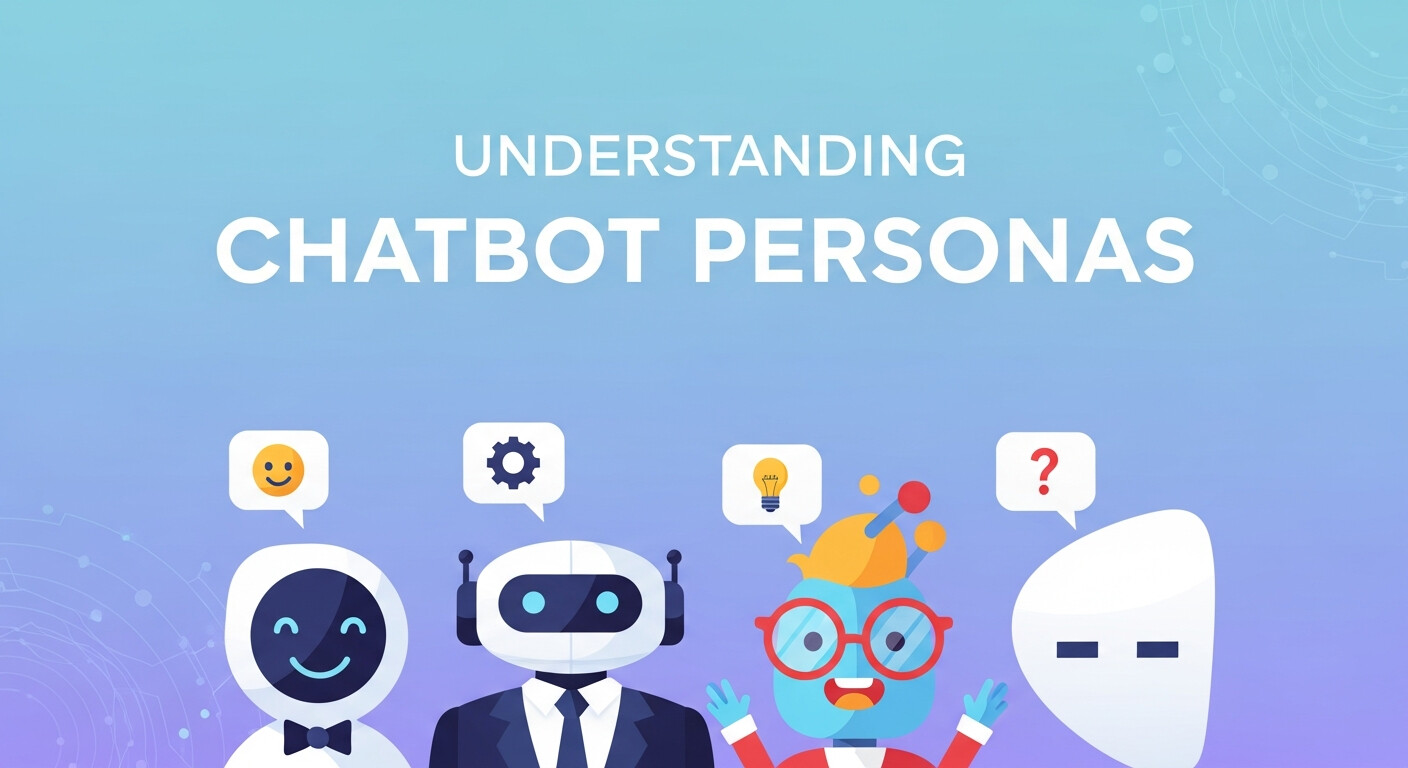
Every good chatbot starts with a well-defined personality. A chatbot persona determines how it communicates and interacts with users. It sets expectations and creates a relatable human-like experience that makes users feel engaged and understood.
Think of your chatbot persona as the foundation for all communications. Is your bot bubbly and informal, or polished and professional? Should it crack jokes to lighten the mood, or stick to a strictly businesslike tone? Your persona will revolve around your target audience and the chatbot’s purpose.
How to Build a Relatable Chatbot Persona
Creating a chatbot persona can be broken down into simple steps:
1. Define your target audience
Think about who will use your chatbot. For instance:
- Younger audiences might enjoy a trendy, casual bot that uses emojis and slang.
- Professionals looking for workflow solutions expect a formal tone and concise interactions.
2. Align with your brand voice
A chatbot should complement your brand’s voice. If your company values creativity and fun, your bot should reflect that. If your brand is known for reliability and expertise, make sure your chatbot exudes professionalism.
3. Create a backstory
Giving your chatbot a “story” can make it more relatable. For example, you could describe the bot as a coffee-connoisseur digital assistant created to recommend the perfect beverage. This touch of personality adds depth to the interactions.
4. Establish tone guidelines
Decide how your chatbot will respond:
- Will it use casual language, or stick with formal expressions?
- Should it add humor or avoid it altogether?
- Will it apologize for errors, and how will it address misunderstandings?
Pro Tip:
Consider creating a persona card with examples of dialogue to ensure consistent tone and messaging for your chatbot across all developers and writers on the project.
The Role of Chatbots in Business Growth
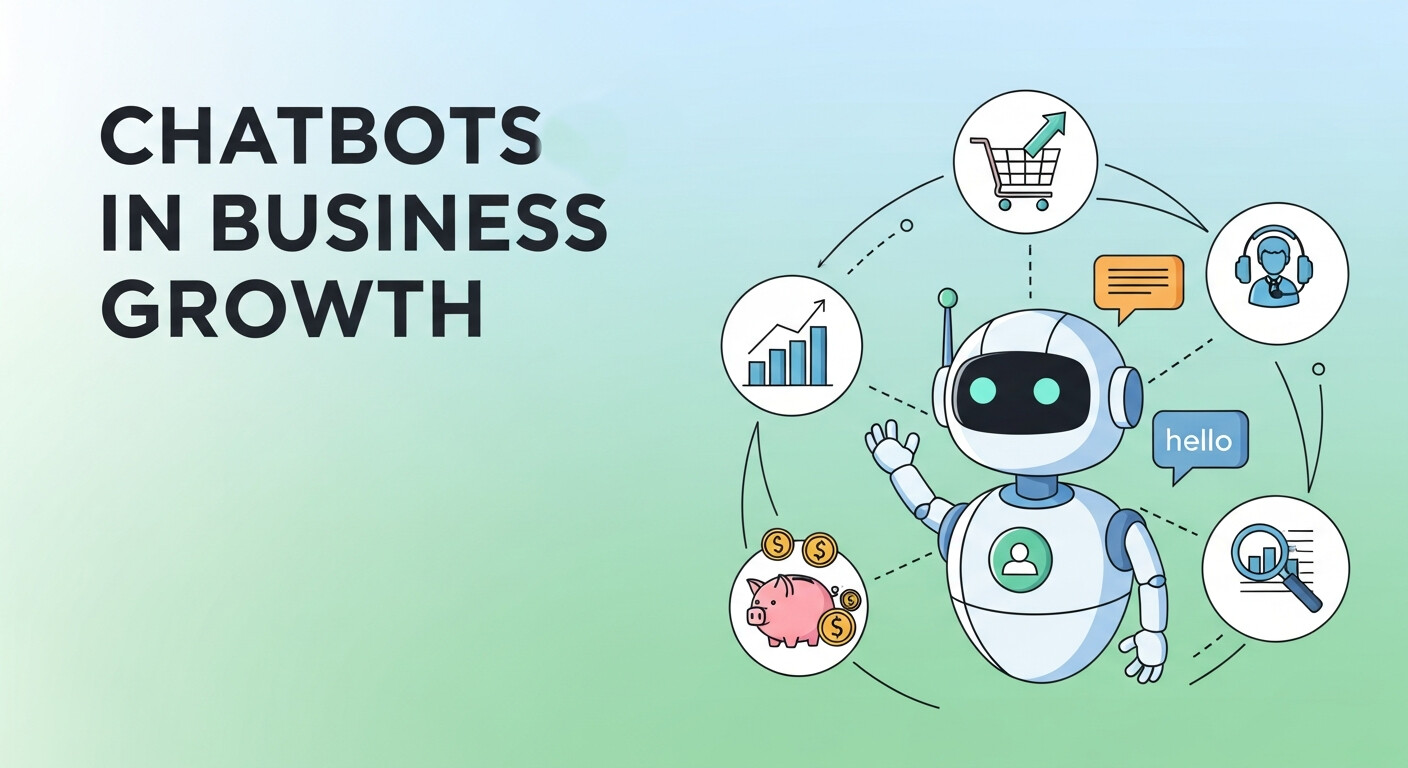
Modern organizations rely heavily on automation to scale communication, and chatbots play a vital role in that transformation. From answering customer queries instantly to guiding users through complex decision-making processes, chatbots reduce response time and improve satisfaction. When implemented strategically, Chatbots for Modern Businesses become more than support tools—they act as digital assistants that nurture leads, qualify prospects, and retain customers. Their ability to operate 24/7 ensures consistent engagement without increasing operational costs. As businesses grow, chatbots also scale effortlessly, handling thousands of interactions simultaneously. This makes them especially valuable for startups and enterprises looking to balance efficiency with personalized user experiences in competitive digital environments.
Enhancing User Experience Through Smart Conversations
User experience is at the core of any successful digital product, and conversational interfaces are redefining how users interact with brands. Well-designed chatbot conversations reduce friction, guide users intuitively, and eliminate unnecessary steps. Effective Chatbot UI Design ensures that conversations feel natural, visually clean, and easy to follow, whether on mobile apps or websites. Button-based replies, quick actions, and contextual prompts help users reach their goals faster. When UI and content work together, users are less likely to abandon conversations. A thoughtfully designed chatbot experience not only improves usability but also strengthens brand perception and builds long-term trust with users.
How Chatbots Support Digital Marketing Strategies

Chatbots have become powerful tools in digital marketing ecosystems. They help brands engage visitors at the right moment, deliver personalized messages, and collect valuable insights. With Chatbot Marketing, businesses can automate lead generation, recommend products, and run interactive campaigns directly within chat interfaces. Unlike traditional pop-ups or forms, chatbots feel less intrusive and more conversational. They can segment users based on behaviour, tailor responses accordingly, and guide them through the buyer’s journey. This personalized interaction boosts conversion rates while providing marketers with real-time data to optimize campaigns and improve overall marketing performance.
The Evolution of Conversational Automation
Automation has evolved far beyond simple rule-based responses. Today, Bots and Chatbots leverage AI, machine learning, and natural language processing to understand intent and adapt conversations dynamically. This evolution allows them to handle complex queries, learn from interactions, and improve over time. As conversational systems mature, they are being integrated across multiple channels, including websites, mobile apps, and messaging platforms. This consistency ensures users receive the same quality experience regardless of where they interact. The future of conversational automation lies in deeper personalization, emotional intelligence, and seamless human–bot collaboration.
Building Trust Through Consistent Chatbot Communication
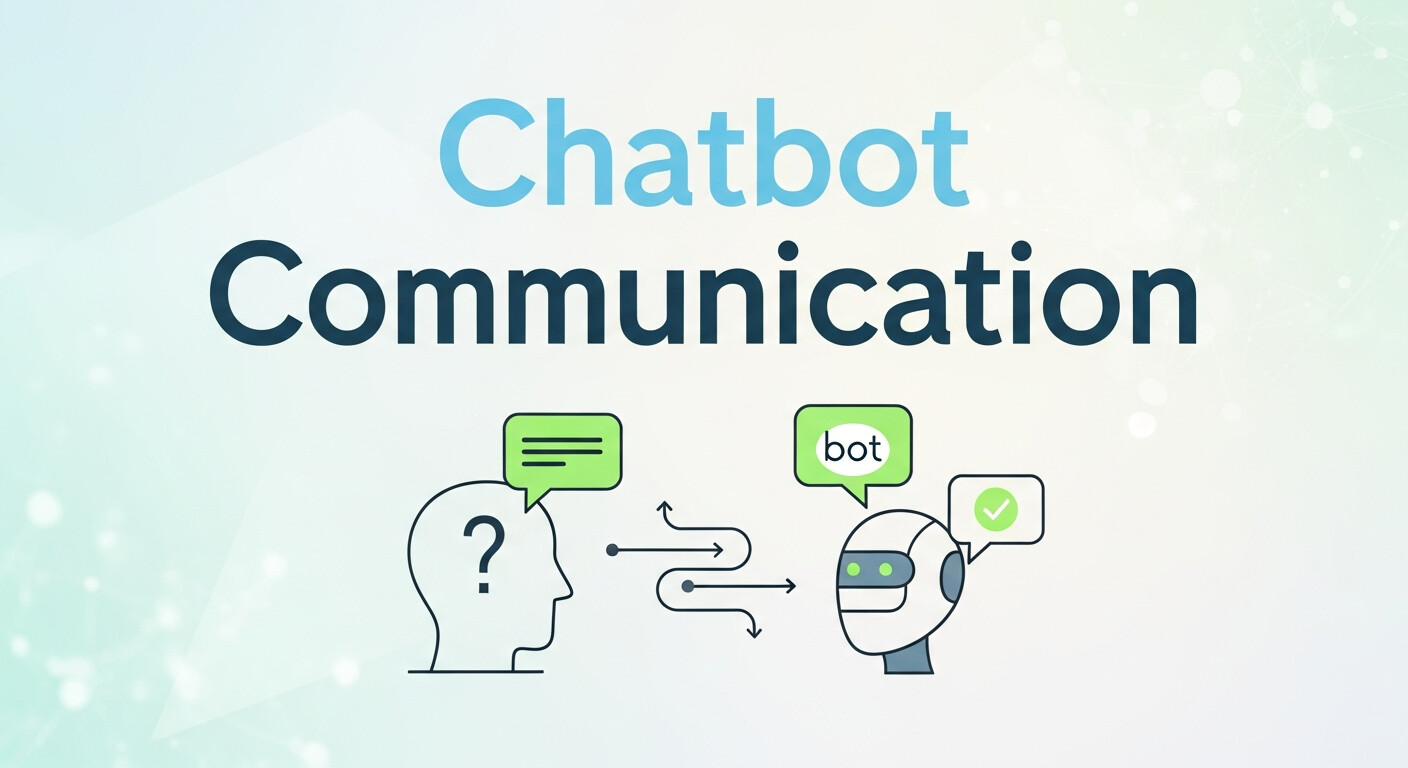
Trust is essential for meaningful user engagement, and consistency plays a major role in building it. A chatbot that maintains a clear tone, reliable responses, and predictable behaviour feels more credible to users. This is especially important in customer support, onboarding, and transactional conversations. When users interact with a chatbot that aligns with brand values and communicates transparently, they are more likely to continue the interaction. Consistent messaging also reduces confusion and frustration. By combining thoughtful content strategy with intelligent design, chatbots can become trusted digital touchpoints that enhance long-term customer relationships.
Crafting Engaging Conversations
Once your chatbot’s persona is in place, the next challenge is crafting interactive, engaging, and natural dialogues.
Tips for Writing Natural Chatbot Conversations
1. Start with a clear goal
What purpose does the conversation serve? Whether it’s solving a customer complaint or providing product recommendations, ensure the conversation has a focused objective.
2. Keep conversations concise
Chatbot interactions should be short, clear, and direct. Avoid overly complex language or long-winded explanations, as these can overwhelm users.
3. Add a touch of humanity
Use conversational tone and natural language:
- “How can I help you today?” feels more engaging than “Please enter your query.”
- Use greetings, acknowledgements, and polite closings to make interactions smoother.
4. Anticipate user responses
Engage in scenario planning. Predict possible user questions or responses and map out how the chatbot should handle them. For instance:
- If the user says, “I need help,” have the bot offer follow-up options like “billing issues” or “technical support.”
5. Handle errors gracefully
No chatbot is perfect. When errors or misunderstandings occur, responses should be polite and helpful:
- “I didn’t quite catch that. Could you clarify?”
- “I’m sorry, I’m not able to help with that. Here’s a support link instead.”
6. Guide users effectively
Prompt users with clear options. For example:
- “What would you like to do next?”
- “Here are your choices [Follow a link or See FAQs].”
User Communication Example:
Bot: Hi there! I’m here to help you find the perfect hiking gear. What are you looking for today?
User: Hiking boots.
Bot: Got it! Do you need boots for cold weather or general hiking?
Notice how the bot’s language is conversational, short, and offers clear guidance.
SEO for Chatbots
Yes, chatbot content can (and should) be optimized for search engines. Optimizing chatbot content allows bots to complement an SEO strategy by delivering answers that align with user queries.
How to Optimize Chatbot Content for SEO
1. Use keyword research
Identify popular keywords or phrases users are likely to type in. For example, if you run a travel business, keywords such as “best vacation deals” or “affordable flights” could help inform chatbot responses.
2. Implement structured data
Microdata and structured formats like JSON-LD can help search engines understand chatbot interactions and ensure they align with existing SEO.
3. Optimize FAQs
Frequently Asked Questions delivered via chatbots can be optimized for higher ranking. For instance:
- Use clear, keyword-based questions in the chatbot.
- Provide concise answers that satisfy user intent.
4. Focus on long-tail keywords
Long-tail keywords tend to perform well for chatbot dialogues. Example:
- “What’s the best way to choose hiking boots?” instead of “hiking boots.”
5. Monitor and refine
Use analytics tools to track how users interact with your chatbot and incorporate enhancements in keyword targeting and dialogue mapping.
Tools for Chatbot Writing
The right tools can simplify and elevate your chatbot content creation process. Here are some popular options:
1. Grammarly
Helps ensure flawless grammar, clarity, and sentence structure in chatbot conversations, improving professionalism and readability.
2. Botpress
A user-friendly chatbot development platform that includes built-in natural language processing tools for creating smooth and structured conversational workflows.
3. ChatGPT / Jasper AI
Ideal for generating chatbot dialogue drafts, FAQs, and conversational scripts tailored to specific industries or use cases.
4. Google Analytics
Allows you to analyze chatbot user interactions, identify drop-off points, track engagement, and uncover opportunities for optimization.
Voiceflow
Perfect for designing, prototyping, and testing conversational flows, especially for voice-enabled and multi-channel chatbots.
Looking Ahead in Chatbot Content Development
Chatbots are quickly becoming integral communication tools for businesses. To create an efficient and engaging bot, focus on building a strong persona, writing empathetic dialogues, and working with the right tools. Also, don’t forget to keep an eye on future trends, such as AI-powered voice recognition and multilingual chatbot capabilities.
At the heart of every great chatbot is exceptional content that aligns with business goals and user needs. Start with these best practices to elevate your chatbot development.
If you’re ready to take your chatbot content to the next level, head over to chatbotsweb.com for more insights, tools, and inspiration.
Frequently Asked Questions (FAQ)
What is chatbot content writing?
Chatbot content writing is the process of creating conversational scripts, responses, and dialogue flows that enable chatbots to interact naturally and effectively with users. It focuses on clarity, tone, usability, and alignment with business goals.
Why is chatbot content important?
Chatbot content directly impacts user experience. Well-written chatbot content builds trust, reduces frustration, improves engagement, and increases conversions, while poorly written content can confuse users and harm brand perception.
How is chatbot content different from regular web content?
Unlike static web content, chatbot content is conversational and dynamic. It must anticipate user inputs, guide interactions step by step, handle errors gracefully, and maintain a consistent personality throughout the conversation.
What skills are needed to write good chatbot content?
Key skills include conversational writing, UX writing, understanding user intent, basic SEO knowledge, empathy, and the ability to design logical conversation flows. Collaboration with developers and designers is also important.
How do you create a chatbot persona?
A chatbot persona is created by defining the target audience, aligning with brand voice, deciding on tone and style, and establishing clear communication guidelines. A consistent persona helps make interactions feel natural and relatable.
Can chatbot content be optimized for SEO?
Yes. Chatbot content can support SEO by using relevant keywords, optimizing FAQ-style responses, focusing on long-tail queries, and aligning chatbot answers with search intent and website content.
What are common mistakes in chatbot content writing?
Common mistakes include overly robotic language, long or complex responses, lack of error handling, inconsistent tone, and failing to guide users with clear options or next steps.
How often should chatbot content be updated?
Chatbot content should be reviewed and updated regularly based on user behavior, analytics insights, new products or services, and evolving customer needs to maintain relevance and effectiveness.
Which tools help with chatbot content creation?
Popular tools include Grammarly for clarity and grammar, Botpress for conversation design, ChatGPT or Jasper AI for drafting dialogues, Google Analytics for performance tracking, and Voiceflow for testing conversational flows.
What is the future of chatbot content development?
The future includes more personalised conversations, voice-enabled interactions, multilingual support, and deeper AI integration. However, strong, human-centred content will remain the foundation of successful chatbot experiences.






AI Chatbots for CRM: Boost Customer Engagement & Loyalty
Transforming Employee Onboarding with AI Chatbots: A Step-by-Step Guide
Emergency Response Chatbots: Revolutionizing Crisis Management with AI
Revolutionizing Recruitment: How Chatbots Streamline Hiring Processes and Elevate Talent Acquisition