
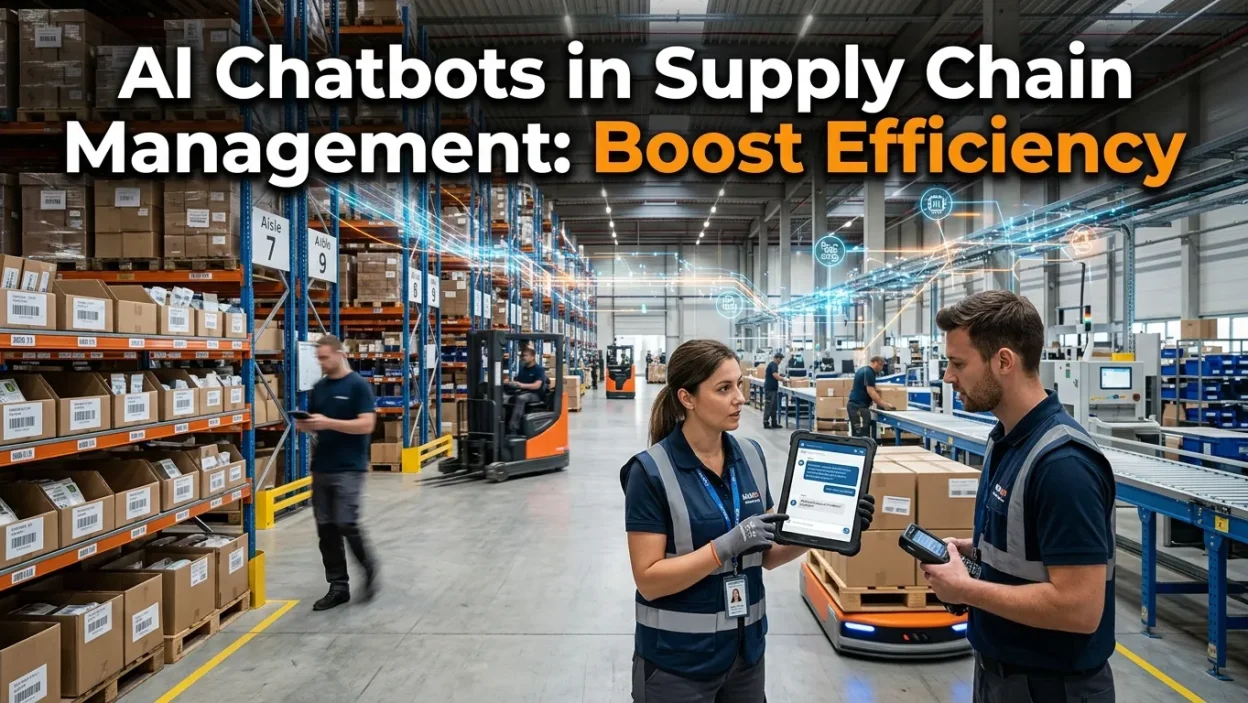
Artificial intelligence is completely changing how companies handle supply chain management today. Smart chatbots automate complex tasks, reduce operational costs, and boost overall efficiency incredibly fast.
This comprehensive article explores the precise impact of artificial intelligence on modern logistics. We cover practical use cases, core benefits, and expert strategies for implementation. You will learn how to optimize operations, avoid common pitfalls, and scale your business using advanced conversational tools.
The Evolution and Transformation of Supply Chain Management
Managing the movement of goods requires precise coordination across multiple departments, global borders, and various regulatory environments. Historically, supply chain management relied heavily on manual data entry, physical tracking, endless spreadsheets, and human communication via phone calls or faxes. These traditional methods often led to severe delays, misplaced inventory, lost items, and miscommunication between vendors, suppliers, and end consumers. The margin for human error was simply too wide for businesses aiming to scale globally.
As international transaction volumes grow exponentially, traditional methods of supply chain management completely fail to keep up with modern consumer demands. Today’s consumers expect next-day or even same-day delivery, complete transparency regarding their order status, and instant customer service. You need significantly faster responses and tighter control over your entire logistics network to remain competitive.
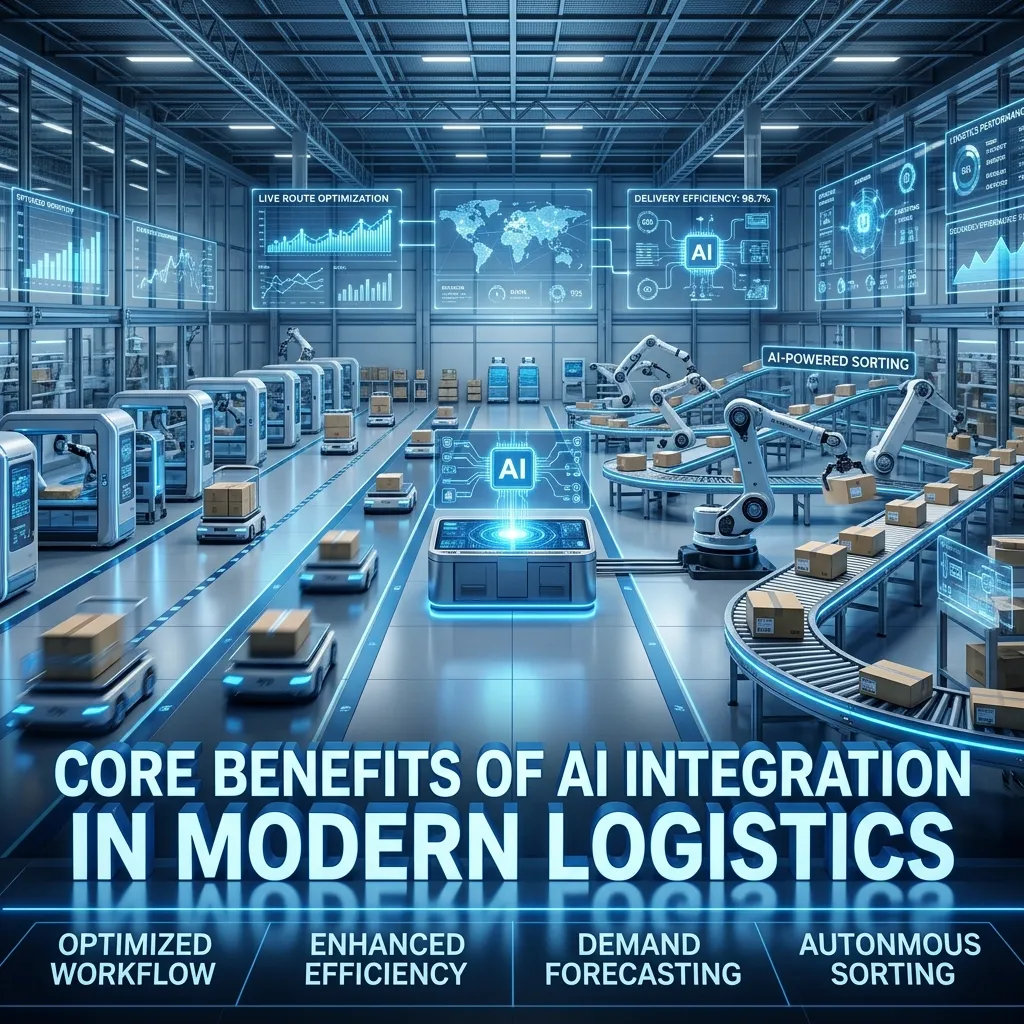
Core Benefits of AI Integration in Modern Logistics
Drastically Increased Operational Efficiency
Efficiency ultimately defines any successful supply chain management operation. Chatbots process tens of thousands of requests simultaneously without breaking a sweat. They never sleep, never take breaks, and never experience cognitive fatigue. When an international vendor asks for a critical delivery update at midnight on a Sunday, the AI assistant provides an accurate, data-backed response immediately. This continuous, round-the-clock operation drastically reduces bottlenecks in communication, ensuring that operations flow continuously regardless of human working hours.
Dramatic and Sustainable Cost Reductions
Hiring, onboarding, and continually training customer service staff requires massive capital investment and time resources. While human workers remain absolutely essential for complex problem-solving and relationship management, virtual assistants perfectly handle repetitive, high-volume tasks. By fully automating routine inquiries, your supply chain management budget decreases substantially. You can then confidently reallocate those saved funds toward building better physical infrastructure, advancing product development, or expanding your market reach.
Unprecedented Real-Time Data Access
Data visibility determines exactly how quickly you can pivot during an operational crisis or market shift. Intelligent bots scan your entire supply chain management network in fractions of a second. They deliver immediate, actionable updates on stock levels, severe weather delays, geopolitical disruptions, and specific shipping routes. You make strategic business decisions based on verified facts happening right now, rather than relying on outdated batch reports generated from the previous day.
Vastly Improved Vendor and Customer Satisfaction
In the modern digital economy, people want fast, accurate answers. Waiting twelve to twenty-four hours for an email reply creates immense frustration and damages brand trust. Chatbots deliver immediate satisfaction by answering questions the moment they are asked. This speed builds immense trust with your partners. Better communication consistently leads to stronger, long-lasting partnerships and increased repeat business, thereby strengthening your entire supply chain management strategy from the ground up.
Deep Technical Insights into AI Applications
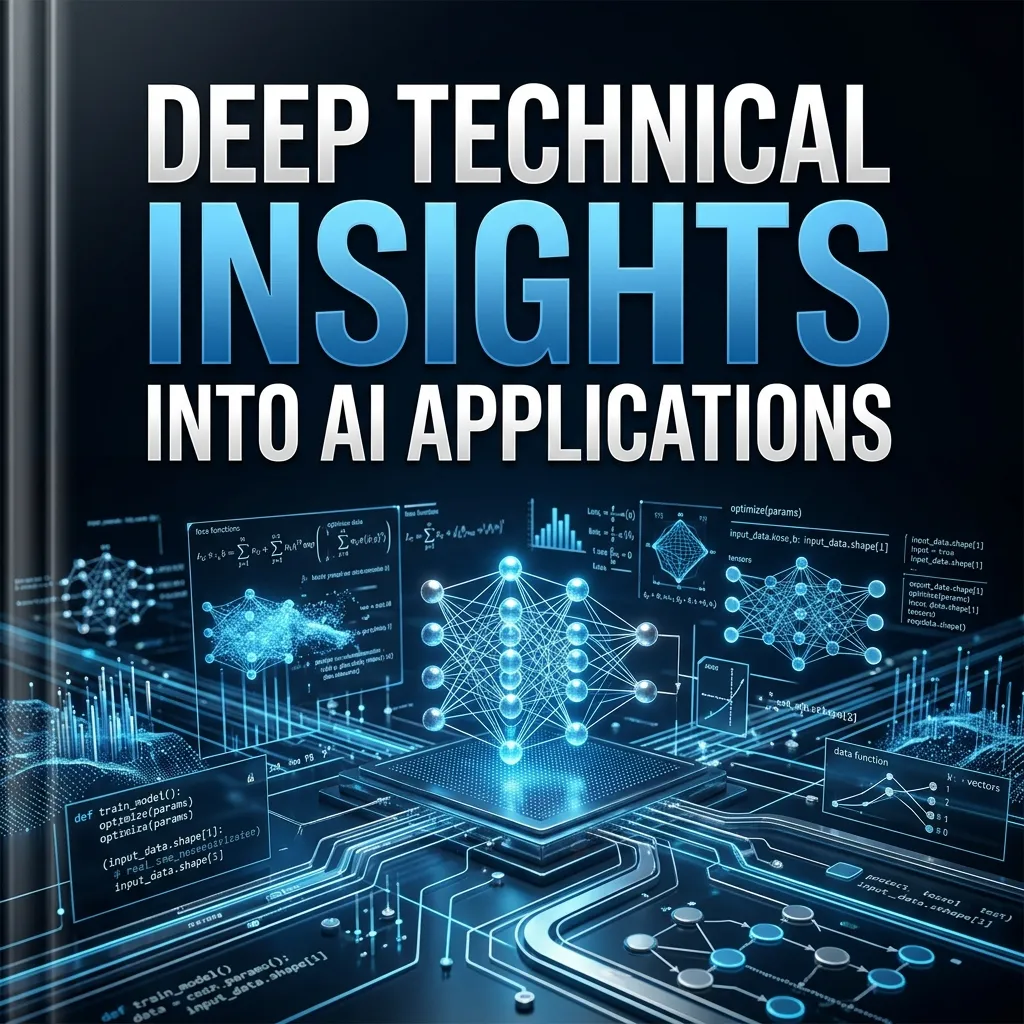
Integrating chatbots is no longer just about deploying a simple text-based responder. Modern conversational AI relies on sophisticated Natural Language Processing (NLP) and Machine Learning (ML) algorithms. These systems do not just look for keywords; they understand semantic intent, user sentiment, and conversational context.
When you integrate NLP into supply chain management, the chatbot can parse complex, multi-layered queries. For example, if a supplier types, “We are running late due to a snowstorm in Chicago. How does this affect the Toronto delivery?”, the AI instantly understands the geographical constraints, accesses the specific shipment manifest, calculates the new estimated time of arrival, updates the central database, and formulates a human-like response outlining the updated schedule. This level of technical sophistication requires seamless integration via robust APIs (Application Programming Interfaces) with your existing Enterprise Resource Planning (ERP) systems. By leveraging cloud computing architectures, these AI models can scale compute resources dynamically, handling peak holiday traffic with zero latency.
Key Applications and Use Cases
Streamlining order management workflows
Handling thousands of daily transactions requires absolutely flawless order management. Chatbots interface directly with your e-commerce and B2B sales platforms securely. When a new purchase request arrives, the intelligent bot automatically verifies payment details, checks precise stock availability across multiple warehouses, and immediately triggers the warehouse fulfillment process. If a requested item temporarily goes out of stock, the bot automatically alerts the buyer in real-time and intelligently suggests highly relevant, available alternatives based on past purchasing behavior. This profound level of automation keeps your supply chain management flowing smoothly without any manual human intervention, drastically reducing the order-to-cash cycle time.
Enhancing warehouse management operations
Physical storage facilities act as the critical beating heart of all modern logistics. Highly effective warehouse management relies on knowing exactly where every single item sits at any given moment. Floor workers can interact directly with AI bots via mobile devices or wearable technology to locate specific pallets, verify barcode data, or check incoming delivery schedules dynamically. The AI tracks the physical movement of items in real-time, logging vast amounts of spatial data to continuously optimize the physical layout of the building over time. By analyzing pick-and-pack routes, the chatbot can suggest structural reorganizations that shave vital seconds off every single order fulfillment process.
Precision inventory forecasting capabilities
Stocking too much product ties up vital cash flow and wastes money on storage space. Conversely, stocking too little product actively loses sales and drives customers to competitors. Advanced inventory forecasting fundamentally solves this pervasive problem. Chatbots driven by machine learning algorithms deeply analyze historical sales data, localized seasonal trends, upcoming marketing promotions, and even macroeconomic indicators. They proactively alert your purchasing team the exact moment when stock drops below mathematically optimal levels. This proactive, data-driven approach ensures your supply chain management operations remain perfectly balanced and highly profitable year-round.
Orchestrating seamless logistics coordination
Moving goods from a remote manufacturing factory to a final customer involves multiple complex moving parts. Smart logistics coordination ensures that trucks, cargo ships, and freight planes align perfectly in a synchronized global ballet. Chatbots constantly track global weather patterns, port congestion metrics, and international customs delays. If a sudden hurricane threatens a major maritime shipping route, the bot instantly notifies the logistics team and automatically suggests the most cost-effective alternative paths. This incredible agility proactively protects your supply chain management timelines and preserves your vital profit margins against unpredictable global events.
Optimizing complex fleet management
Commercial vehicles require constant, meticulous monitoring and preventative maintenance. Proper fleet management vastly extends the operational life of your expensive transport assets while ensuring driver safety. Chatbots track real-time telemetry data, including mileage, fuel consumption rates, tire pressure, and deep engine diagnostics. They automatically schedule preventative maintenance appointments precisely when a truck reaches a specific wear threshold. This meticulous oversight keeps your vehicles safely on the road and actively prevents catastrophic, costly breakdowns that could otherwise completely disrupt your entire supply chain management network.
Real-World Case Studies in Logistics Automation
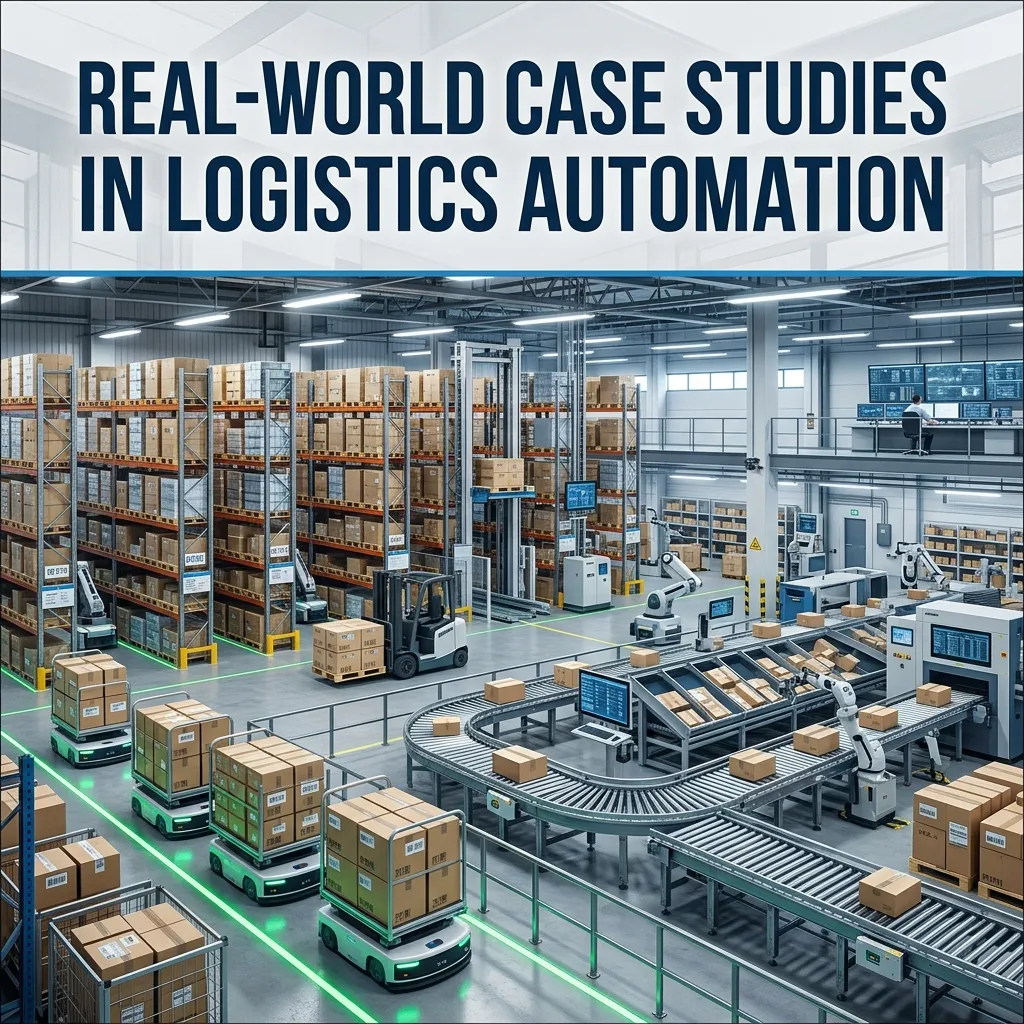
To truly grasp the impact of AI, we must examine real-world applications. Consider a major global electronics distributor that faced massive delays during peak shopping seasons. Their customer support team was overwhelmed with thousands of “Where is my order?” inquiries, causing a severe backlog that slowed down internal communications and delayed actual shipments. By implementing a highly specialized conversational AI platform directly tied to their ERP, they fully automated 85% of tracking inquiries. The chatbot handled over 50,000 conversations per month, reducing the average response time from fourteen hours to just two seconds. This optimization in supply chain management saved the company an estimated $1.2 million in operational costs within the first twelve months alone.
Comparing Traditional Methods vs. AI-Powered Systems
Understanding the incredible leap in modern operational efficiency requires a direct, analytical comparison. Here is exactly how traditional supply chain management operations logically stack up against heavily AI-enhanced, modern operations.
|
Operational Feature |
Traditional Logistics Operations |
AI-Powered Chatbot Systems |
|---|---|---|
|
Average Response Time |
12 to 48 hours, depending on volume |
Instantaneous, real-time response |
|
System Availability |
Standard 9-to-5 business hours |
24/7/365 continuous operation |
|
Data Processing Method |
Manual, error-prone spreadsheet entry |
Automated, continuous real-time syncing |
|
Average Error Rate |
High (due to natural human fatigue) |
Near zero (algorithmically verified) |
|
Business Scalability |
Requires massive hiring and training |
Scales instantly with simple software upgrades |
|
Predictive Ability |
Highly reactive to past weekly reports |
Highly proactive based on ML algorithms |
|
Language Support |
Limited by staff’s linguistic capabilities |
Instant multilingual translation capabilities |
Common Mistakes to Avoid During Implementation
Many enthusiastic companies rush blindly into AI adoption without a clear, strategic roadmap. You must actively avoid these frequent, costly errors to ensure your supply chain management upgrade actually succeeds long-term.
- Ignoring Comprehensive User Training: You must thoroughly train your staff to use the new digital tools. A chatbot only provides tangible value if your human team fundamentally trusts its outputs and utilizes its capabilities daily. Resistance to change is human nature; combat it with proper education.
- Failing to Update Antiquated Legacy Systems: Old, outdated software architectures frequently block proper AI integration. You must ensure your foundational databases can communicate seamlessly and securely with modern REST APIs before purchasing an AI tool.
- Overcomplicating the Initial Launch Phase: Start small and scale smartly. Deploy the bot to handle one specific, highly repetitive task—such as providing tracking numbers—before expanding its responsibilities into complex procurement negotiations.
- Neglecting Critical Security Protocols: Modern supply chain management involves highly sensitive proprietary data and financial records. You must implement strong end-to-end encryption and strict role-based access controls to prevent devastating cyber breaches.
Expert Insights and Future Industry Trends
Global industry leaders unanimously recognize the undeniable, seismic shift happening right now within logistics. Building a truly resilient supply chain management network today absolutely requires deep digital fluency and an openness to emerging technologies.
According to authoritative research from Gartner, companies that integrate AI into their logistics frameworks will significantly outperform their digitally stagnant competitors in both operational speed and sheer profitability. To maximize your financial investment, you must focus relentlessly on data hygiene and quality. An AI model relies entirely on the raw information you feed it. You must meticulously clean your databases before deployment. Remove all duplicate vendor entries, standardize address formatting globally, and ensure inventory counts are perfectly accurate.
Conclusion
Integrating intelligent AI assistants deeply into your supply chain management processes delivers immediate, measurable, and lasting value to your organization. You effortlessly automate routine administrative tasks, empower your dedicated workforce with actionable real-time data, and drastically reduce bloated operational expenses. By carefully avoiding common implementation mistakes and focusing heavily on continuous algorithmic improvement, your global logistics network will inevitably become faster, infinitely smarter, and highly resilient against unexpected global market disruptions. You must embrace this transformative conversational technology today to firmly secure your competitive edge for the future.
Frequently Asked Questions
1. What exactly is a conversational supply chain chatbot?
A conversational supply chain chatbot automates communication, shipment tracking, and routine logistics tasks through AI-powered conversations integrated with supply chain management systems.
2. How do AI chatbots tangibly reduce my overall logistics costs?
AI chatbots reduce logistics costs by automating repetitive tasks, improving operational efficiency, minimizing manual labor, and providing continuous customer and vendor support.
3. Can an automated chatbot properly handle highly complex customer complaints?
Automated chatbots handle routine complaints efficiently while transferring complex or emotional issues to human agents with complete conversation details for faster resolution.
4. What specific background data does a chatbot need to function properly?
A chatbot requires real-time access to inventory records, shipment schedules, customer information, and order histories to perform supply chain management tasks accurately.
5. Are AI chatbots genuinely secure for handling sensitive vendor financial information?
Modern AI chatbots use encryption, authentication, and secure access controls to safely manage sensitive vendor and financial supply chain management information.
6. Exactly how long does it take to implement a fully functional chatbot system?
Basic chatbot systems launch within weeks, while advanced supply chain management chatbots with deep integrations may require several months for development and testing.
7. Do I need to completely replace my existing legacy software to use AI?
Most AI chatbots integrate with existing ERP and logistics software through APIs, eliminating the need to fully replace legacy supply chain management systems.
8. How does artificial intelligence specifically improve my inventory forecasting?
Artificial intelligence improves inventory forecasting by analyzing sales patterns, market trends, and external data to predict demand and reduce overstock risks.
9. Will implementing these intelligent chatbots ultimately replace my dedicated logistics staff?
AI chatbots automate repetitive logistics tasks, allowing human employees to focus on strategic planning, vendor relationships, and complex supply chain management decisions.
10. Can these bots accurately communicate across different international languages?
Advanced AI chatbots support multilingual communication, enabling smooth interactions with international suppliers, carriers, and partners across global supply chain management operations.

How to Improve Chatbot User Experience for Better Engagement
How AI Chatbots for eCommerce Help Businesses Increase Conversions
The Future of Generative AI Chatbots in Business Automation
How AI Chatbot Development Automates Business Communication