

Chatbots are not just a fad in tech; they are game-changer in the way businesses and brands communicate with their audience. Be it responding to FAQs or walking users through more intricate steps, chatbots are available 24/7 to provide guidance. They cut down response times, enhance customer satisfaction and, crucially, save time!
Define Your Chatbot’s Purpose
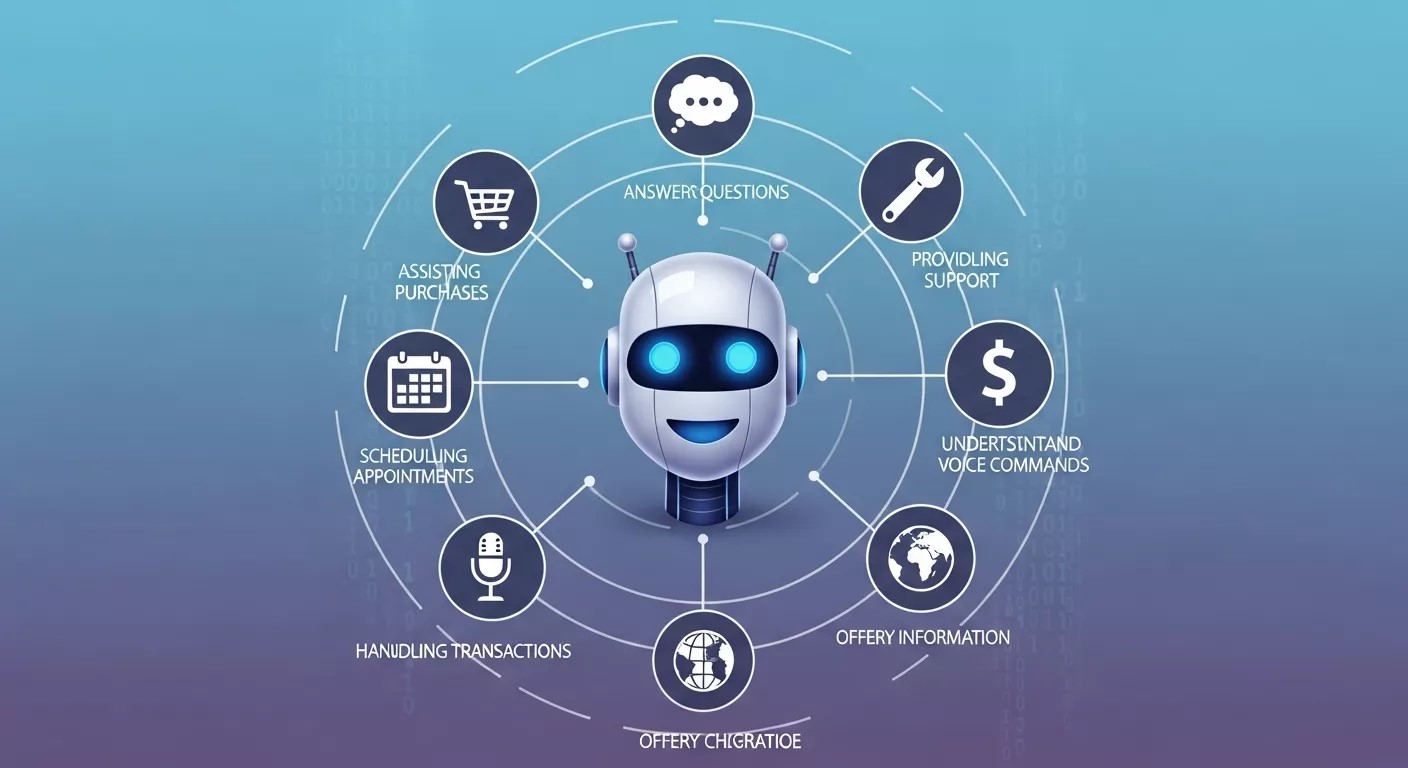
Get your priorities straight Before getting started with the chatbot creator, ask yourself, “What do I want my chatbot to do?” Good chatbots solve pain points, or they serve a need. The clearer your bot’s function is, the better you’ll design it.
Common chatbot goals:
-
Customer service: Using bots to automatically respond to frequently asked questions or for troubleshooting common problems.
-
Assisted sales: Recommendation of products or services according to the client preferences.
-
Lead generation: Gathering user information for a personalized follow-up from your sales team.
-
Inside support: Assisting your employees with things like HR policies or how-tos on systems.
Example:
If you run an online store, your chatbot can tackle things like tracking orders, delivering discount codes, or suggesting products. It’s really about effectively addressing these pain points.
Choose A Platform To Develop Your ChatBot On
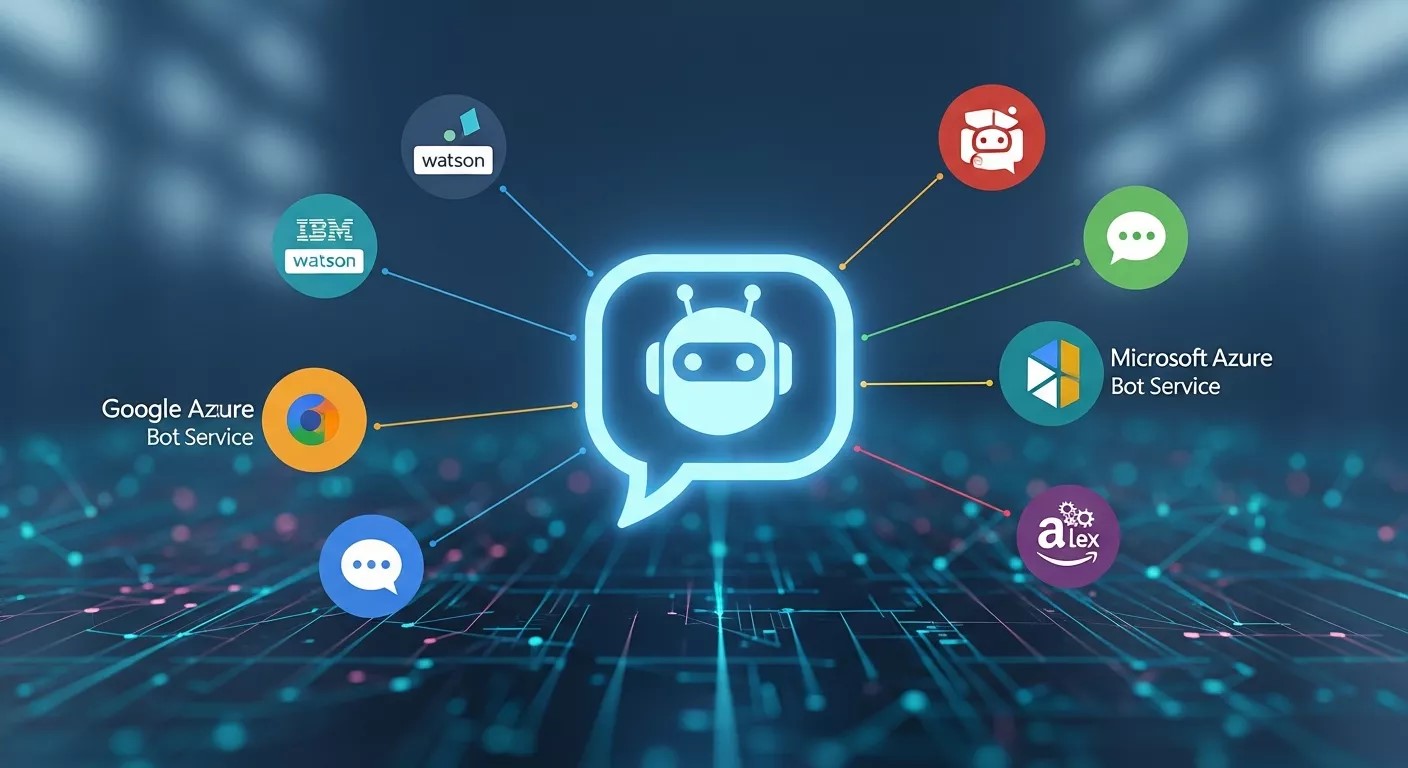
The days of needing to write code to build a bot are gone. Today there are platforms for users who may or may not be technical. Here are three popular choices:
-
Dialogflow by Google:
Great for building complex, conversational bots. Best if you need multi-language support or advanced features such as sentiment analysis. -
Chatfuel:
Ideal for small businesses and beginners. You can build Facebook Messenger bots without writing a line of code. It is easy to setup, thanks to its drag and drop interface. -
Microsoft Bot Framework:
A power-framework with extensibility in mind for developers to build complex bots plugged in various systems. -
Custom Development:
For companies with specialized needs, building a custom chatbot using languages such as Python and frameworks like Rasa can be an attractive path.
You may want to take into account your level of technical capability, how much you are able to spend, or what you need for your school when choosing a platform.
Design the Conversation Flow
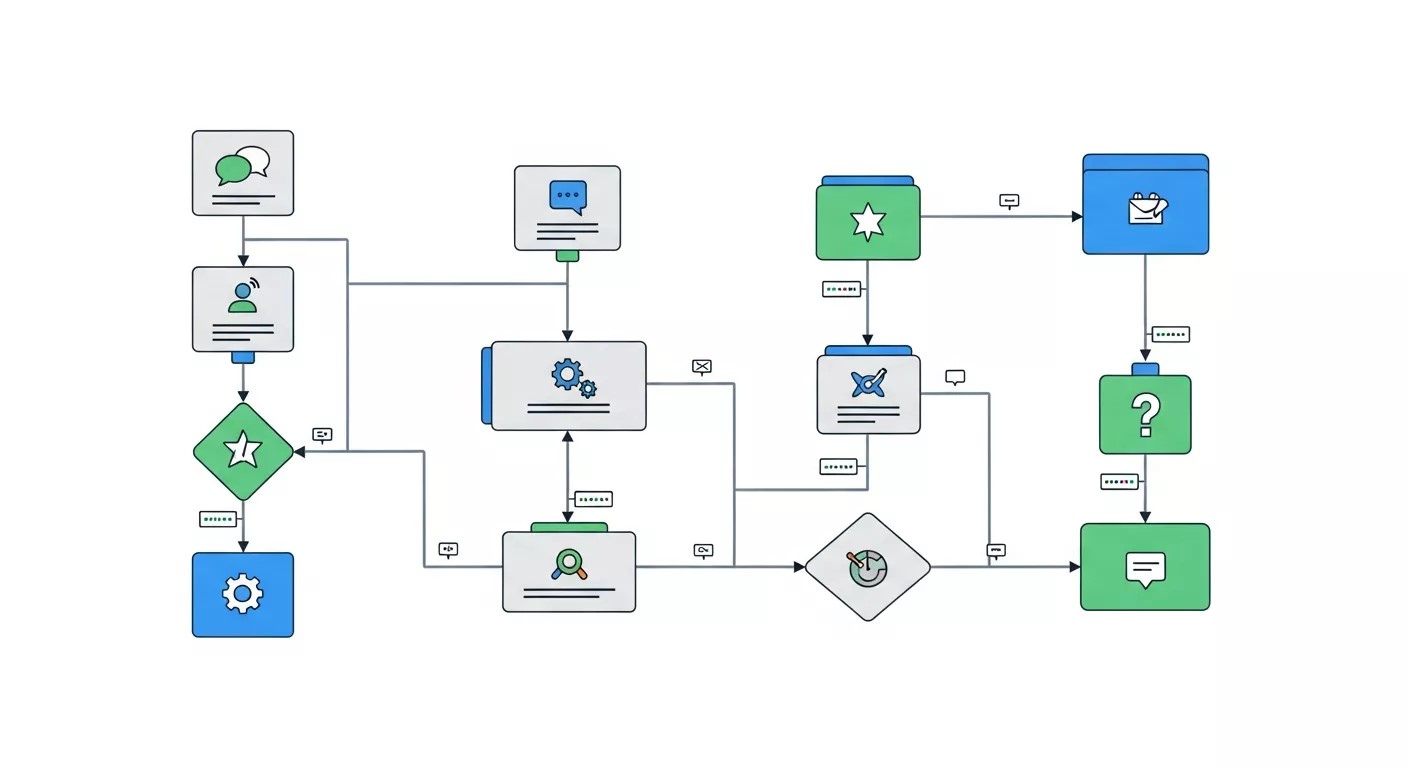
Your chatbot should be like a guide to your own services. To function well, it requires a well-mapped conversation flow that’s intuitive and compelling.
Steps to design the flow:
-
Begin with a greeting: Write a friendly intro. For example, “Hi there! 👋 How can I help you today?”
-
Plan user intents: Write down what your users will probably ask the chatbot. For example, “What is the status of my order?” or “Can you tell me more about what you offer?”
-
Offer clear choices: Make menu options easy to comprehend (i.e., “Track My Order” or “Talk to a Human”).
-
Take error into account: Find likely places where a user might go off course in the given conversation and ensure that your chatbot responds to it gracefully (e.g., “I’m sorry, I didn’t quite understand that. Could you try rephrasing?”).
Example mapping:
User want to know store hours –> They ask, “You are open how many hours?”
Request from a user to speak to support –> Human agent Funnel and Route.
You can write these interactions out on paper or use flowchart software such as Lucid chart to organize and simplify the bot’s structure.
Train Your Chatbot
As with any chatbot, a chatbot is only as good as what it says. Now you mapped the conversation flow, it’s time to train your bot with sample questions and answers.
Tips how to train your chatbot well:
-
Begin with FAQs: Clearly answer your customers’ common questions.
-
Include variations: List several ways in which users could word the same question. That can be, for example, “What are your rates?” is also “How much does this cost? or “How much do you charge?”
-
Utilize machine learning: Platforms such as Dialogflow or IBM Watson can automatically optimize and improve responses based on interactions.
Pro Tip: Language should be simple, actionable, and consistent with your brand voice.
Test and Iterate
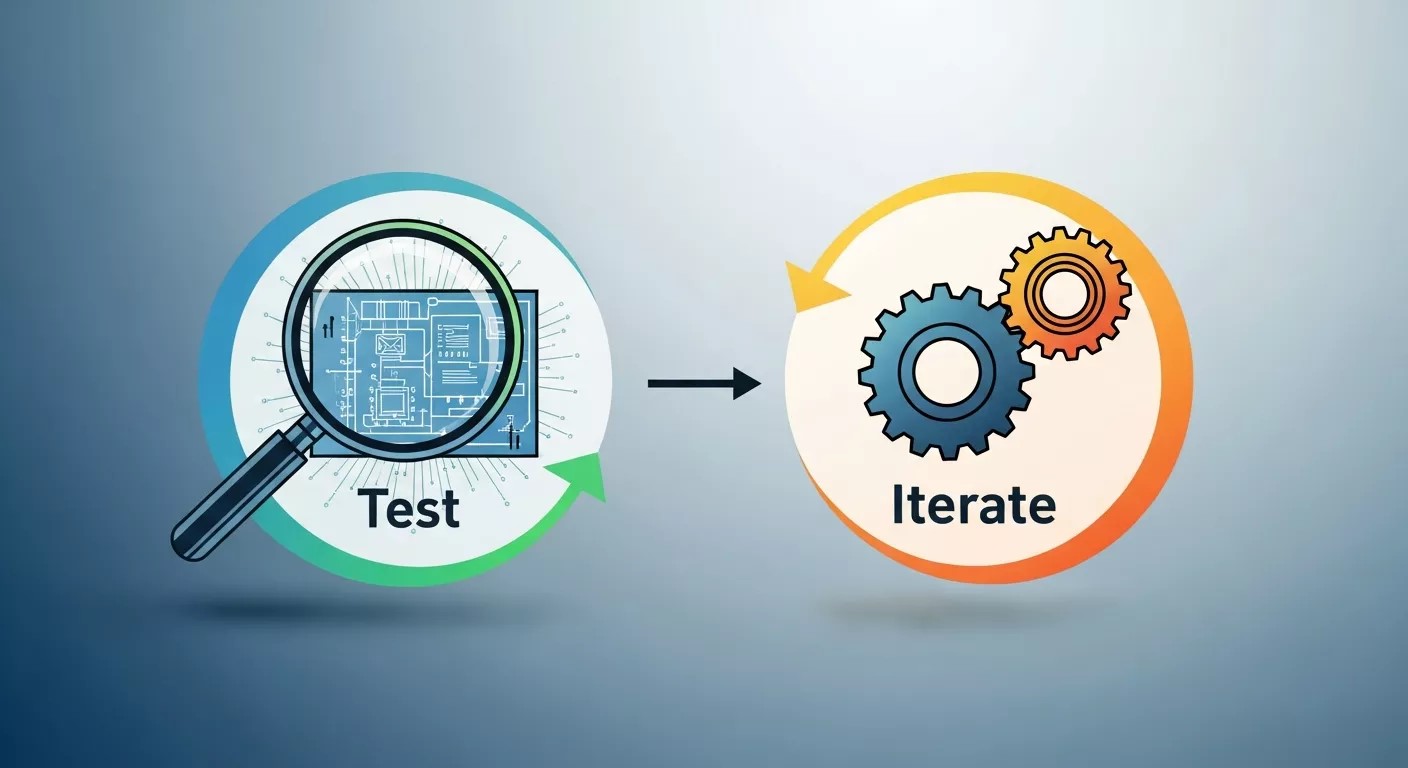
Your chatbot’s draft zero is not the final copy. It requires testing and iterations to ensure it functions properly and offers a fantastic user experience.
How to test your chatbot:
-
Internal testing: Get your team to engage with the bot. Check out edge cases and “try to break it” with unanticipated answers.
-
Soft launch: Roll it out to a small audience to gather preliminary feedback. Watch how people use it and when it fails them.
-
Iterate: Employ this feedback to refine language, input missing intents and correct missteps in the dialogue flow.
And if you do: Keep refining your chatbot over time with metrics such as user satisfaction or dropped interactions so that it adds value to your application, rather than making it more annoying. AI chatbots, and all chatbots for that matter, are getting better as well.
Promotion and Integration
Now that you’ve created your chatbot, let’s learn how to share it with the world (or at least your audience).
Integration tips:
-
Website: Make sure that your attentiveness-driven chatbot is featured front-and-center on your home page (or at the very least implemented as an always floating widget in the corner).
-
Social media: Share it on social media (e.g., Facebook Messenger, Instagram Direct).
-
Emails: Include a link to chat with your bot in your email newsletters.
-
Offline marketing: Educate your store staff to prompt the customers to interact with your chatbot for faster resolution.
When advertising the chatbot, focus on the benefits. For example, “Got a quick question? We chat live 24/7 to reply to you immediately!”
Example integration:
An enterprise SaaS company places its bot on its pricing and support pages to provide immediate guidance on features and increase lead conversion.
How to Get Started with Your Chatbot
Chatbots are revolutionizing the way customers experience a brand and how operations are conducted. With clear need-based determination and the right platform at hand, through a clear conversation flow and a persistent optimization process, you are able to become outstanding yet remain cost-effective.
Don’t wait to be outdone by competitors. Get your chatbot up and running today, and take your user experience to the next level!
Discover practical ways to distribute and promote your digital magazine across multiple platforms.
The Rise of Chatbots For Your Business

The Rise of Chatbots For Your Business is driven by the growing demand for instant communication and automation. Modern customers expect quick answers, personalized support, and 24/7 availability—something traditional support teams often struggle to provide. Chatbots fill this gap by automating routine conversations while maintaining consistency and speed. As businesses scale, the rise of chatbots for your business helps reduce operational costs and improve response efficiency. From eCommerce to SaaS and healthcare, chatbots are becoming a standard digital touchpoint. Their ability to handle multiple conversations simultaneously makes them invaluable. With AI advancements, chatbots are no longer limited to scripted replies but can now understand intent, context, and user behavior more accurately than ever before.
The Chatbots Revolution
The Chatbots Revolution is reshaping how businesses communicate, sell, and support customers online. What started as simple rule-based tools has evolved into intelligent conversational AI systems capable of learning and adapting. This chatbots revolution enables brands to deliver seamless user experiences without human intervention at every step. Businesses can now automate lead qualification, appointment booking, and post-sale support efficiently. The chatbots revolution also empowers smaller companies to compete with larger enterprises by offering instant service without large teams. As AI models continue to improve, chatbots are becoming more human-like, context-aware, and emotionally responsive. This ongoing revolution is not a trend—it’s a long-term shift in digital interaction strategies.
Free Chatbots For Revolutionize Your Business
Free Chatbots For Revolutionize Your Business by making automation accessible even to startups and small teams. Many platforms now offer free chatbot tools that allow businesses to build, test, and deploy bots without upfront investment. These free chatbots can handle FAQs, capture leads, and guide users through basic workflows. While advanced features may require upgrades, free chatbots for revolutionize your business provide a powerful starting point. They help businesses validate chatbot use cases before scaling. By leveraging free tools strategically, companies can improve customer engagement, reduce manual workload, and gain insights into user behavior—all without increasing costs. This accessibility accelerates digital transformation across industries.
Chatbot Demo Is Essential for Your Business
A Chatbot Demo Is Essential for Your Business because it allows stakeholders to experience real interactions before full deployment. Demos help businesses evaluate conversation flow, response accuracy, and overall usability. When decision-makers see a chatbot demo in action, they better understand how it aligns with business goals and customer expectations. A chatbot demo is essential for your business to identify gaps, refine messaging, and optimize user journeys early. It also builds internal confidence among teams and helps with client or investor presentations. By testing real-world scenarios through demos, businesses reduce deployment risks and ensure their chatbot delivers value from day one.
Chatbots and Data Privacy
Chatbots and Data Privacy are critical considerations as bots increasingly handle sensitive user information. From email addresses to payment-related queries, chatbots often process personal data that must be protected. Businesses must ensure compliance with data protection regulations such as GDPR and other privacy laws. Chatbots and data privacy go hand in hand—without strong security practices, user trust can quickly erode. Encryption, secure APIs, and controlled data access are essential components of chatbot design. Regular testing and audits further ensure privacy standards are met. When businesses prioritize data privacy, chatbots become trusted digital assistants rather than potential security risks.
AI-Powered Chatbots for Business Growth
AI-powered chatbots are accelerating business growth by enabling smarter and more personalized interactions. These chatbots analyze user behavior, intent, and preferences to deliver tailored responses in real time. As part of the rise of chatbots for your business, AI-driven bots help improve conversion rates and customer retention. They continuously learn from conversations, making them more accurate over time. AI-powered chatbots also support scalability by handling thousands of users simultaneously. When combined with analytics, they provide valuable insights into customer needs. This intelligent automation makes chatbots a strategic asset rather than just a support tool.
Chatbot Integration Across Business Channels
Effective chatbot integration ensures a consistent experience across websites, messaging apps, and social platforms. Businesses often deploy chatbots on websites, Facebook Messenger, WhatsApp, and mobile apps simultaneously. This omnichannel presence strengthens the chatbots revolution by meeting users where they already are. Integration allows chatbots to sync with CRMs, payment systems, and support tools, creating unified workflows. When chatbot demo testing is done properly, integration issues can be identified early. Well-integrated chatbots reduce friction, improve data accuracy, and streamline operations, making them an essential component of modern digital infrastructure.
Future of Chatbots in Business Automation
The future of chatbots lies in deeper automation and smarter decision-making. As conversational AI evolves, chatbots will handle more complex tasks such as negotiations, advanced support, and predictive recommendations. Chatbots and data privacy will remain a priority as automation expands. Free chatbots for revolutionize your business will continue lowering entry barriers, while premium solutions drive enterprise innovation. The chatbots revolution will increasingly focus on emotional intelligence and personalization. Businesses that adopt chatbots early and refine them continuously will gain a competitive edge. In the future, chatbots won’t just support businesses—they will actively shape how brands operate and grow.
Frequently Asked Questions (FAQ)
What is a business chatbot?
A business chatbot is an automated conversational tool designed to interact with customers, employees, or prospects. It can answer FAQs, assist with sales, generate leads, and provide support 24/7, helping businesses save time and improve customer experience.
Do I need coding skills to create a chatbot?
No, coding skills are not mandatory. Many chatbot platforms like Chatfuel and Dialogflow offer no-code or low-code solutions. However, custom development using frameworks like Rasa may require programming knowledge.
How long does it take to build a chatbot?
A basic chatbot can be created within a few hours or days, while advanced chatbots with integrations, AI training, and testing may take several weeks depending on complexity.
Which platform is best for building a chatbot?
The best platform depends on your needs. Chatfuel is ideal for beginners, Dialogflow is great for advanced conversational AI, and Microsoft Bot Framework suits enterprise-level applications.
How do I train my chatbot properly?
Training involves feeding your chatbot with FAQs, sample user queries, variations of questions, and accurate responses. Continuous learning through user interactions improves chatbot accuracy over time.
Why is chatbot testing important?
Chatbot testing ensures your bot responds correctly, handles unexpected inputs, and provides a smooth user experience. Testing prevents errors that could frustrate users or damage brand trust.
Can chatbots improve customer satisfaction?
Yes, chatbots improve customer satisfaction by offering instant responses, 24/7 availability, and consistent support, reducing wait times and enhancing engagement.
How do I promote my chatbot?
You can promote your chatbot on your website, social media channels, email newsletters, and even offline marketing. Highlight benefits like instant support and faster responses.
Are chatbots suitable for small businesses?
Absolutely. Chatbots are cost-effective, scalable, and ideal for small businesses looking to automate customer interactions without hiring large support teams.
How do I measure chatbot success?
Success can be measured using metrics such as user engagement, conversation completion rate, customer satisfaction, lead generation, and reduced support workload.



AI Chatbots for CRM: Boost Customer Engagement & Loyalty
Transforming Employee Onboarding with AI Chatbots: A Step-by-Step Guide
Emergency Response Chatbots: Revolutionizing Crisis Management with AI
Revolutionizing Recruitment: How Chatbots Streamline Hiring Processes and Elevate Talent Acquisition