
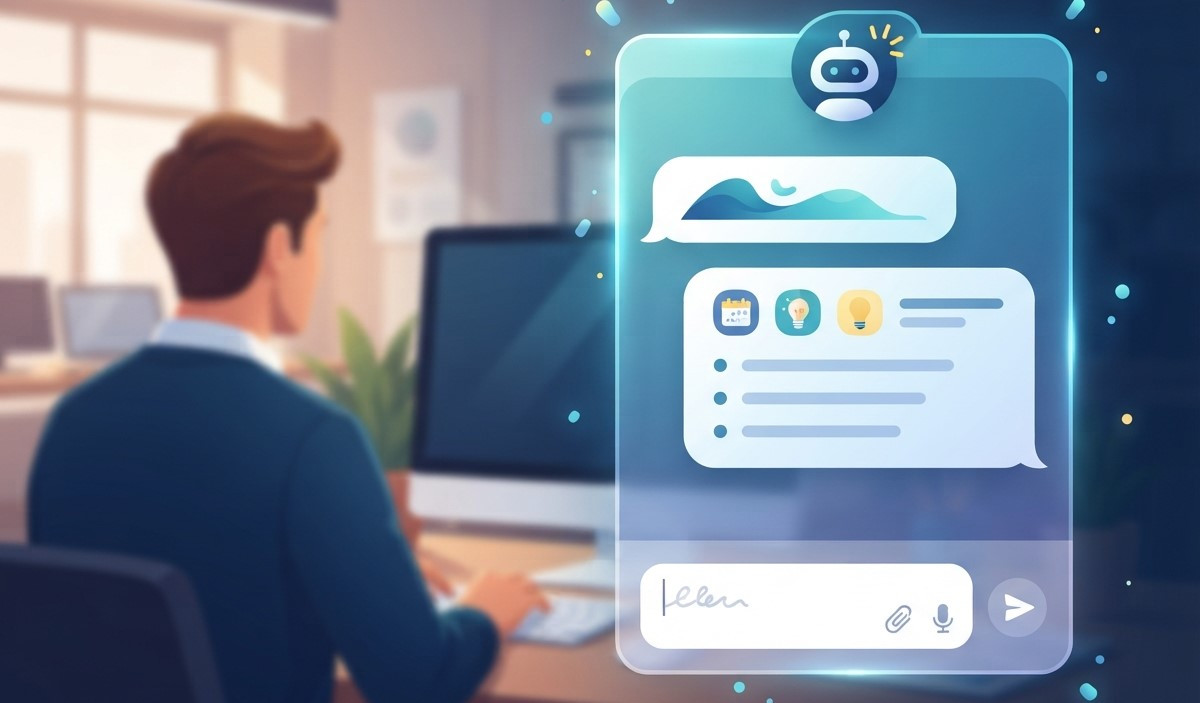
Businesses are constantly looking for better ways to attract prospects, understand customer needs, and create more sales opportunities. Lead generation chatbots have become an increasingly useful solution because they can interact with website visitors, answer questions, collect information, and guide potential customers through the early stages of the buying journey.
Traditional lead generation often depends on contact forms, phone calls, advertisements, or manual outreach. While these methods can still be valuable, they may create delays between a customer’s initial interest and a sales team’s response. Chatbots can help reduce this gap by providing immediate interaction when a visitor is actively exploring a product or service.
What Are Lead Generation Chatbots?
Lead generation chatbots are conversational software tools designed to identify, engage, qualify, and capture potential customers. They can be placed on websites, landing pages, messaging platforms, or other digital channels where prospects interact with a business.
Instead of asking visitors to complete a traditional form immediately, a chatbot can start a conversation and gradually collect relevant information. This can make the lead capture process feel more interactive.
How Lead Generation Chatbots Work
A chatbot typically begins by greeting a visitor and asking questions based on the business’s objectives. These questions may cover the visitor’s needs, business type, budget, product interest, or preferred service.
Based on the responses, the chatbot can determine whether the visitor may be a relevant prospect. The collected information can then be transferred to a CRM, sales platform, or other lead management system.
Why Chatbots Are Useful for Sales
Sales opportunities can be lost when potential customers cannot get answers quickly. A chatbot provides an immediate communication channel that can help prospects find information while their interest is active. This can reduce friction between discovering a business and taking the next step toward a sales conversation.
How Chatbots Capture More Sales Opportunities

A chatbot can initiate a relevant conversation, answer basic questions, and offer a clear next step. This creates additional opportunities for businesses to identify potential customers.
Engaging Visitors in Real Time
Website visitors may have questions before they are ready to complete a contact form. A chatbot can provide immediate assistance without requiring visitors to search through multiple pages.
For example, a prospect exploring a service page may ask about pricing, features, availability, or implementation. The chatbot can respond with relevant information and invite the visitor to continue the conversation.
Reducing Lead Capture Friction
Traditional forms can require users to complete several fields before submitting their information. A conversational interface can break this process into smaller questions.
Instead of presenting a long form, the chatbot can ask one question at a time. This can make the interaction feel more natural and easier to complete.
The Role of Conversational Marketing
Conversational marketing focuses on creating personalized, two-way interactions with potential customers. Instead of communicating with an audience only through static content or advertising, businesses can use conversations to understand individual needs. Lead generation chatbots can support this approach by interacting with prospects based on their questions and responses.
Creating Personalized Conversations
A chatbot can adjust its questions based on the information provided by a visitor. For example, someone looking for an enterprise solution may receive different questions from a visitor interested in a small-business service.
This type of interaction can help businesses gather more relevant information while giving prospects a more personalized experience.
Guiding Prospects Toward the Next Step
Conversational marketing is not simply about answering questions. It can also guide prospects toward useful actions. Depending on the business, the chatbot may recommend a product page, provide a resource, schedule a consultation, request contact information, or transfer the conversation to a sales representative.
Using Virtual Assistants for Lead Qualification

Asking Qualification Questions
Lead qualification questions should be relevant and concise. A business might ask about the prospect’s primary challenge, company size, service requirements, project timeline, or preferred solution.
The goal is to understand whether the visitor fits the business’s target customer profile without making the conversation unnecessarily complicated.
Identifying High-Intent Prospects
Some visitors may show stronger buying intent than others. For example, a visitor asking about pricing, implementation, availability, or scheduling may require more immediate sales attention. Chatbots can capture these signals and pass relevant information to sales teams for follow-up.
How Automated Responses Support Lead Generation
Automated responses allow businesses to provide immediate answers to common questions. This can be particularly useful when website traffic is high or sales teams are unavailable.
Automation can help ensure that prospects do not encounter a completely inactive communication channel when they need assistance.
Answering Common Questions
Potential customers may ask about pricing, services, delivery, features, availability, or policies before submitting their contact details.
A chatbot can answer frequently asked questions using approved information. This can reduce uncertainty and encourage prospects to continue exploring the business.
Maintaining Consistent Communication
Automated responses can also help businesses maintain consistent messaging. Instead of different employees providing different answers to common questions, chatbot responses can be based on approved information. Businesses should regularly review automated content to ensure that information remains accurate and relevant.
Improving the Customer Journey
Lead generation chatbots can become part of the broader customer journey by helping visitors move from awareness to consideration and eventually toward a sales conversation. The chatbot should provide useful assistance at each stage rather than pushing prospects toward a purchase too aggressively.
Supporting Early Research
During the research stage, visitors may want to understand a product or service before speaking with sales representatives. A chatbot can provide basic information and direct visitors toward educational resources.
This can help prospects make informed decisions while creating additional opportunities for the business to understand their interests.
Supporting Purchase Consideration
When prospects become more interested, they may have specific questions about pricing, features, implementation, or compatibility. A chatbot can provide relevant information and identify when a visitor may benefit from direct communication with a sales representative.
Connecting Chatbots With CRM Systems
CRM integration can make lead generation chatbots more useful for sales teams. When chatbot conversations are connected to a CRM, collected information can be organized alongside other prospect data. This can reduce manual data entry and help sales representatives understand the context behind a lead.
Centralizing Lead Information
A chatbot can collect contact details and qualification information during a conversation. With proper integration, this information can be transferred to the appropriate CRM record.
Centralized data allows sales teams to review lead information without searching through separate communication channels.
Supporting Sales Follow-Up
Timely follow-up is important when a prospect has demonstrated interest. CRM integration can help sales teams identify new leads and review the information collected during the chatbot conversation.
This can make follow-up conversations more relevant because representatives already understand the prospect’s basic needs.
Improving Sales Team Efficiency
Lead generation chatbots can help sales teams spend more time on meaningful conversations by handling repetitive early-stage interactions.
Rather than manually responding to every basic inquiry, sales representatives can focus on prospects who have demonstrated relevant interest or buying intent.
Reducing Repetitive Work
Sales teams often answer similar questions from different prospects. Chatbots can handle many routine questions automatically.
This can reduce repetitive communication and allow representatives to spend more time on complex discussions, negotiations, and relationship building.
Prioritizing Leads
Not every website visitor represents the same sales opportunity. Chatbots can collect information that helps businesses categorize prospects based on their needs and level of interest.
This can support more organized follow-up and help sales teams manage incoming opportunities more efficiently.
Personalizing Chatbot Conversations
Personalization can make chatbot interactions more relevant. A generic chatbot that provides identical messages to every visitor may feel less useful than one that adapts to different customer needs. Businesses can personalize conversations using information provided during the interaction.
Use Relevant Questions
Questions should match the visitor’s likely needs. A service provider may ask what type of service the visitor requires, while an e-commerce business may ask what category of product they are interested in.
Relevant questions can make the interaction more useful and reduce unnecessary conversation steps.
Provide Contextual Recommendations
When a chatbot understands a visitor’s needs, it can recommend relevant pages, resources, services, or products.
Recommendations should be based on clear information rather than excessive assumptions. The objective is to help visitors find useful options quickly.
Measuring Chatbot Lead Generation Performance
Businesses should measure chatbot performance to understand whether the system is actually creating valuable sales opportunities.
Important measurements can include conversations started, leads captured, qualification rates, appointment requests, human handoffs, conversion rates, and customer feedback.
Track Lead Conversion
Lead conversion measures how many chatbot-generated prospects eventually take a desired action. This might include booking a consultation, requesting a quote, submitting a sales inquiry, or making a purchase.
Tracking these outcomes can help businesses understand whether chatbot conversations are contributing to broader sales goals.
Analyze Conversation Quality
Numbers alone may not reveal whether conversations are useful. Businesses should review chatbot interactions to identify unanswered questions, confusing responses, abandoned conversations, and frequent requests for human assistance. These insights can guide improvements to chatbot scripts and workflows.
Best Practices for Lead Generation Chatbots
Successful chatbot implementation requires a balance between automation and human interaction. Businesses should focus on making conversations useful, concise, and easy to navigate.
The chatbot should help visitors rather than create unnecessary obstacles between customers and sales representatives.
Keep Conversations Simple
Long and complicated chatbot conversations can frustrate visitors. Questions should be short and relevant, and users should understand why the chatbot is requesting specific information. Businesses should avoid collecting unnecessary details during the initial interaction.
Offer Human Assistance
A chatbot should always provide an appropriate path to human support when necessary. Complex questions, complaints, high-value prospects, or unusual requests may require direct communication with a representative.Human escalation helps maintain a balance between automated efficiency and personalized sales support.
The Future of Lead Generation Chatbots

Future systems may connect more deeply with CRM platforms, analytics tools, marketing automation systems, product databases, and customer support platforms. However, successful implementation will continue to depend on the quality of information, conversation design, integration, and human oversight. Automation should support the customer journey rather than replace meaningful human relationships.
Conclusion
Lead generation chatbots can create additional sales opportunities by engaging website visitors, answering questions, collecting information, qualifying prospects, and guiding potential customers toward relevant next steps. Through Conversational marketing, businesses can create more interactive experiences that allow prospects to communicate directly with a brand. Virtual assistants can support early-stage lead qualification, while Automated responses can provide immediate answers to common questions.
The most effective strategy is to use chatbots as a bridge between marketing and sales. By combining automated conversations with CRM integration, personalized interactions, clear qualification processes, and human follow-up, businesses can create a more organized approach to capturing and developing potential sales opportunities.
Frequently Asked Questions
1. What are lead generation chatbots?
Lead generation chatbots are automated conversational tools designed to engage potential customers, collect information, qualify prospects, and create opportunities for sales follow-up.
2. How do lead generation chatbots improve sales opportunities?
They can engage visitors in real time, answer questions, collect contact details, identify buying intent, qualify prospects, and direct interested customers toward sales representatives or relevant actions.
3. How does conversational marketing work with chatbots?
Conversational marketing uses two-way communication to understand customer needs and provide relevant assistance. Chatbots can support this approach by interacting with prospects through personalized conversations.
4. Can chatbots qualify leads?
Yes. Chatbots can ask predefined questions about customer needs, budget, timeline, business type, or service requirements and use the answers to help categorize potential leads.
5. What are virtual assistants in lead generation?
Virtual assistants are conversational tools that can communicate with prospects, answer questions, collect information, and perform certain automated tasks during the early stages of the customer journey.
6. How do automated responses help generate leads?
Automated responses provide immediate answers to common questions. This can reduce waiting times, keep visitors engaged, and encourage them to continue toward a desired action.
7. Can lead generation chatbots integrate with CRM systems?
Yes. Many chatbot platforms can integrate with CRM systems to transfer contact details, qualification information, and relevant conversation data to sales teams.
8. Can chatbots replace sales representatives?
Chatbots are generally better suited to handling routine questions and early-stage interactions. Human sales representatives remain important for complex conversations, relationship building, negotiations, and high-value opportunities.
9. How can chatbot lead generation performance be measured?
Businesses can measure conversations started, leads captured, qualification rates, appointment requests, human handoffs, conversion rates, and the eventual sales outcomes of chatbot-generated leads.
10. What makes a lead generation chatbot effective?
An effective chatbot should provide relevant information, ask concise questions, capture useful lead data, offer human assistance when necessary, and guide prospects toward appropriate next steps.





How AI Virtual Assistants Improve Time Management
How Business Chatbots Reduce Customer Support Workloads
How Lead Generation Chatbots Improve Sales Opportunities
How Chatbot Integration Improves Business Efficiency