

Chatbot CRM Integration streamlines sales funnels by capturing, qualifying, and nurturing leads automatically, enhancing personalization, improving engagement, and providing actionable CRM insights for smarter, data-driven, and high-converting customer journeys.
Why Sales Funnels Need Smarter Automation
Modern buyers are no longer patient. They expect instant responses, personalized communication, and seamless experiences across every touchpoint. Traditional sales funnels, built on delayed follow-ups and disconnected tools, struggle to keep up with these expectations. This is where Chatbot CRM Integration becomes a game-changing strategy for businesses aiming to build smarter, faster, and more adaptive sales funnels.
By connecting conversational chatbots directly with CRM systems, businesses can capture leads in real time, qualify prospects instantly, and nurture relationships without manual intervention. Instead of static funnels, brands can create dynamic journeys that respond intelligently to user behavior and intent.
At its core, Chatbot CRM Integration aligns automation with human psychology—meeting users at the moment of interest, reducing friction, and guiding them naturally toward conversion. This article explores how this integration works, why it matters, and how it transforms sales funnels into intelligent growth engines.
Understanding Chatbot CRM Integration in Simple Terms

Chatbot CRM Integration refers to the process of connecting AI-powered chatbots with Customer Relationship Management systems so that every conversation becomes structured, usable data. When users interact with a chatbot on a website, landing page, or messaging platform the information they share is automatically stored, analyzed, and used within the CRM.
Instead of treating chats as isolated interactions, businesses gain a unified view of each prospect. Names, preferences, pain points, and buying signals flow directly into the sales pipeline. This allows teams to act faster and smarter.
More importantly, Chatbot CRM Integration removes the gap between conversation and conversion. Leads are no longer lost due to delayed follow-ups or incomplete data. Every interaction strengthens the funnel.
The Psychology Behind Conversational Funnels
Sales funnels succeed when they align with how humans think and decide. People respond better to conversations than forms, and they trust brands that listen before selling. Chatbot CRM Integration leverages this psychology by creating two-way interactions instead of one-sided messaging.
Chatbots ask relevant questions, adapt responses based on user input, and provide immediate value. When connected to a CRM, these conversations become contextual rather than repetitive. Users don’t feel like they are starting over each time they engage.
This conversational flow reduces cognitive load and builds trust—two essential elements for moving prospects smoothly through the funnel.
How Chatbot CRM Integration Transforms Lead Capture
Traditional lead capture relies heavily on static forms. While forms still have value, they often feel transactional and impersonal. Chatbot CRM Integration replaces friction with engagement.
Chatbots can initiate conversations proactively, guide users step-by-step, and collect information gradually. This approach feels natural and less intrusive. As data flows into the CRM, leads are automatically segmented based on intent and behavior.
For example, high-intent users can be flagged instantly for sales outreach, while early-stage visitors enter nurturing workflows. This intelligent filtering is what makes sales funnels truly smarter.
Data Synchronization: The Backbone of Smart Funnels
One of the biggest advantages of Chatbot CRM Integration is real-time data synchronization. Every interaction updates the CRM instantly, ensuring sales and marketing teams always work with accurate information.
This eliminates data silos and reduces manual entry errors. Teams can track user journeys from first interaction to final conversion, gaining valuable insights into what works and what doesn’t.
With unified data, funnel optimization becomes a continuous process rather than a guessing game.
Role of AI and Learning Algorithms in Funnel Optimization
Modern chatbots are no longer rule-based scripts. They are powered by advanced AI capable of learning from interactions. Deep Learning Chatbots analyze patterns in user behavior and continuously improve conversation flows.
When combined with Chatbot CRM Integration, these learning systems refine funnel stages automatically. Messaging becomes more relevant, timing improves, and conversion paths evolve based on real data rather than assumptions.
This adaptive intelligence is what separates basic automation from truly smart sales funnels.
Improving Lead Qualification with Intelligent Conversations

Not every lead is ready to buy. Chatbot CRM Integration allows businesses to qualify prospects before involving human sales teams. Through targeted questions and behavioral tracking, chatbots identify intent levels accurately.
Qualified leads are prioritized in the CRM, ensuring sales teams focus on high-value opportunities. This reduces wasted effort and shortens the sales cycle.
Over time, this qualification process becomes more precise, improving funnel efficiency and ROI.
Nurturing Leads Automatically Without Losing the Human Touch
Automation often raises concerns about losing personalization. However, Chatbot CRM Integration achieves the opposite when implemented correctly.
Because the CRM stores detailed interaction history, chatbots can personalize follow-ups based on user interests and past behavior. Messages feel relevant rather than generic.
This balance between automation and personalization keeps prospects engaged throughout the funnel without overwhelming them.
Sales Team Enablement Through CRM-Driven Conversations
Sales teams perform best when they have context. Chatbot CRM Integration ensures that every conversation is logged and accessible, giving sales reps a clear understanding of each lead’s journey.
Instead of cold outreach, sales teams can continue conversations seamlessly. This continuity builds trust and increases close rates.
In high-volume environments like Chatbot Call Centers, this integration becomes essential for maintaining consistency and efficiency.
Enhancing Multi-Channel Funnel Experiences
Today’s buyers move across channels—websites, social media, messaging apps, and email. Chatbot CRM Integration unifies these touchpoints into a single funnel view.
Regardless of where a conversation starts, data flows into the same CRM record. This creates a consistent experience across channels and prevents duplicate or fragmented communication.
Unified funnels lead to stronger brand perception and higher conversion rates.
Security and Trust Considerations in CRM-Connected Chatbots
As data collection increases, so do concerns about privacy and safety. Chatbot CRM Integration must address Chatbot Security Risks proactively.
Secure data handling, compliance with regulations, and transparent communication build trust with users. When security is prioritized, chatbots become reliable assets rather than liabilities.
Trust is a critical factor in funnel progression, especially in high-value or sensitive industries.
Platform Selection and Scalability Factors
Not all chatbot platforms offer seamless CRM connectivity. Businesses must focus on Mastering Chatbot Platforms that support scalability, customization, and robust integrations.
The right platform ensures that Chatbot CRM Integration grows alongside the business. Scalability prevents bottlenecks as traffic and data volume increase.
Choosing wisely at this stage saves long-term costs and complexity.
Measuring Funnel Performance with CRM-Driven Insights
One of the biggest advantages of Chatbot CRM Integration is advanced analytics. Funnel performance can be measured with precision—from engagement rates to conversion paths.
CRM data reveals where users drop off and where they convert. This insight enables continuous optimization based on evidence rather than intuition.
Smarter funnels are built on measurable improvements, not assumptions.
Aligning Marketing Automation with Sales Intelligence

Marketing and sales alignment is often a challenge. Chatbot CRM Integration bridges this gap by sharing real-time insights between teams.
Marketing campaigns generate conversations, while sales teams act on qualified leads instantly. This alignment reduces friction and improves overall funnel performance.
When combined with AI Powered Bidding Strategies and Google Ads Automation, chatbots can even optimize paid traffic by qualifying leads before they reach landing pages.
Long-Term Business Impact of Chatbot CRM Integration
Beyond immediate conversions, Chatbot CRM Integration supports long-term growth. Historical data helps businesses understand customer lifetime value and retention patterns.
Insights gathered from conversations influence product development, messaging strategies, and customer support improvements.
Over time, sales funnels evolve into intelligent ecosystems that support sustainable scaling.
Future Trends in Conversational Funnel Design
The future of sales funnels is conversational, adaptive, and data-driven. Chatbot CRM Integration will continue to evolve with advancements in AI and predictive analytics.
Voice interfaces, sentiment analysis, and proactive engagement will redefine how funnels operate. Businesses that adopt these trends early gain a competitive edge.
Smart funnels will no longer be optional they will be the standard.
Advanced Lead Segmentation with Chatbot CRM Integration
Effective sales funnels depend on accurate lead segmentation. Chatbot CRM Integration allows businesses to classify leads based on behavior, intent, demographics, and past interactions. By segmenting leads automatically, marketing teams can send tailored messages, while sales teams can focus on high-priority prospects. Segmentation reduces funnel leakage, improves personalization, and ensures that each lead receives content that matches their stage in the buyer journey.
Real-Time Alerts and Notifications for Sales Teams
One of the often-overlooked advantages of Chatbot CRM Integration is real-time alerts. Sales representatives can receive immediate notifications when a high-value prospect interacts with a chatbot. This enables quick follow-up, preventing missed opportunities. In large operations like Chatbot Call Centers, real-time alerting ensures responsiveness at scale, increasing the likelihood of conversions and improving customer satisfaction.
Nurturing Cold Leads with Automated Workflows
Not every lead is ready to purchase immediately. Through Chatbot CRM Integration, businesses can nurture cold leads with personalized, automated workflows. Chatbots can send relevant content, answer queries, and track engagement over time. The CRM stores all interactions, allowing future campaigns to be smarter and more targeted. This reduces churn and keeps prospects engaged until they are ready to convert.
Leveraging AI for Predictive Sales
Predictive analytics is a game-changer in modern sales funnels. When paired with Chatbot CRM Integration, AI can analyze patterns from thousands of interactions to predict lead behavior. Deep Learning Chatbots contribute by identifying high-intent users before they even take action. This foresight enables sales teams to prioritize efforts and optimize resource allocation, maximizing ROI.
Streamlining Multi-Touch Campaigns
Successful funnels often involve multiple touchpoints across channels. Chatbot CRM Integration ensures consistency and accuracy across these touchpoints. Whether it’s email, social media, or website chat, data flows into the CRM to maintain a unified view of each customer journey. This ensures that every message is relevant, timely, and contributes to the overall funnel efficiency.
Optimizing Paid Traffic with Chatbots
Integrating chatbots with CRM systems also enhances paid advertising performance. AI Powered Bidding Strategies, combined with insights from the CRM, allow businesses to target the right audience segments and adjust campaigns dynamically. Google Ads Automation benefits from this integration by delivering pre-qualified leads to landing pages, improving conversion rates and reducing wasted ad spend.
Enhancing Customer Retention through CRM Insights

The benefits of Chatbot CRM Integration go beyond lead capture. By analyzing historical chatbot interactions in the CRM, businesses can identify patterns that indicate potential churn. Automated engagement campaigns can then be triggered to retain customers. Personalized follow-ups and proactive support make customers feel valued, fostering loyalty and increasing lifetime value.
Continuous Funnel Optimization
Funnel optimization is an ongoing process. Chatbot CRM Integration provides actionable data to test and refine strategies. Businesses can analyze drop-off points, measure engagement metrics, and adjust chatbot flows accordingly. Over time, this continuous optimization results in a smarter, more efficient sales funnel that evolves alongside customer behavior and market trends.
Integration with Other Marketing Tools
To maximize funnel performance, Chatbot CRM Integration can be combined with other marketing tools like email automation, analytics platforms, and social media management systems. Unified data across tools ensures consistency, reduces errors, and enhances insights. Businesses gain a holistic view of the customer journey, enabling more precise targeting and messaging.
Preparing for the Future: Conversational AI Trends
The next wave of sales funnel innovation will rely heavily on conversational AI. Chatbot CRM Integration positions businesses to leverage emerging technologies like voice search, sentiment analysis, and predictive conversational flows. Staying ahead of these trends allows companies to deliver highly personalized, proactive experiences that keep them competitive in increasingly digital marketplaces.
Enhancing Customer Support with CRM-Integrated Chatbots
Customer support is a key part of any sales funnel. Chatbot CRM Integration allows chatbots to provide instant answers to frequently asked questions while logging every interaction in the CRM. This ensures support teams have full context for follow-ups and reduces response time. Over time, patterns from chatbot interactions can highlight recurring issues, enabling proactive support and improving overall customer satisfaction.
Cross-Selling and Upselling Opportunities
With Chatbot CRM Integration, businesses can identify cross-selling and upselling opportunities at the right moment. By analyzing past interactions and purchase history stored in the CRM, chatbots can recommend relevant products or services naturally during conversations. This personalization increases average order value while maintaining a seamless and engaging user experience.
Reducing Funnel Drop-Off Rates
One of the biggest challenges in sales funnels is lead drop-off. Chatbot CRM Integration addresses this by keeping prospects engaged with personalized prompts and reminders. Real-time tracking of user behavior allows chatbots to adapt messaging and encourage completion of forms, purchases, or sign-ups. By reducing friction and maintaining engagement, drop-off rates decrease significantly.
Training Sales Teams with CRM Insights
Data from Chatbot CRM Integration isn’t just for automation; it’s a powerful training tool. Sales teams can review logged conversations to understand common objections, customer preferences, and successful messaging techniques. This insight helps reps improve communication skills and aligns team strategies with real-world customer behavior, making human interactions more effective.
Measuring ROI of Chatbot CRM Integration
Ultimately, businesses need to quantify the benefits of integration. Chatbot CRM Integration provides metrics like lead conversion rate, response time, engagement levels, and revenue influenced by chatbot interactions. By analyzing these metrics, companies can make informed decisions on scaling automation, adjusting marketing campaigns, and improving funnel efficiency. This data-driven approach ensures continuous ROI improvement and justifies the investment in conversational automation.
Conclusion
Chatbot CRM Integration transforms traditional sales funnels into dynamic, intelligent systems that adapt to user behavior in real time. By connecting AI-driven chatbots with CRM data, businesses can capture leads efficiently, qualify prospects automatically, and deliver personalized nurturing throughout the buyer journey. This integration not only reduces manual workload but also strengthens trust, improves conversion rates, and provides actionable insights for continuous funnel optimization. Companies that leverage Chatbot CRM Integration gain a competitive edge by creating smarter, scalable, and data-driven sales funnels that drive sustainable growth.
FAQ Section
What is Chatbot CRM Integration?
Chatbot CRM Integration is the process of connecting AI-powered chatbots with CRM systems so that every interaction is captured, stored, and used to streamline sales funnels, improve lead management, and enhance customer engagement.
How does Chatbot CRM Integration improve sales funnels?
By automating lead capture, qualification, and nurturing, Chatbot CRM Integration ensures prospects are engaged in real time, reducing funnel drop-offs and increasing conversion rates while providing actionable CRM insights.
Can small businesses benefit from Chatbot CRM Integration?
Absolutely. Even small businesses can leverage Chatbot CRM Integration to automate repetitive tasks, respond instantly to leads, track engagement, and manage customer data efficiently without increasing operational costs.
Is Chatbot CRM Integration secure?
When implemented correctly, Chatbot CRM Integration addresses Chatbot Security Risks by ensuring data privacy, compliance with regulations, and secure storage of user interactions in the CRM.
Does Chatbot CRM Integration replace human sales teams?
No. It supports human teams by providing contextual insights, prioritizing qualified leads, and allowing sales representatives to focus on high-value interactions rather than repetitive tasks.
How does Chatbot CRM Integration help in multi-channel marketing?
Chatbot CRM Integration unifies interactions across websites, messaging apps, and social media, ensuring consistent communication and maintaining a single, organized CRM record for each prospect.
Can Chatbot CRM Integration optimize paid campaigns?
Yes. By combining AI Powered Bidding Strategies and Google Ads Automation with CRM insights, businesses can target high-intent leads, improve ad ROI, and deliver pre-qualified traffic to landing pages.
What platforms support Chatbot CRM Integration?
Mastering Chatbot Platforms that offer robust CRM integration is key. Look for platforms that allow scalability, customization, and seamless data flow across sales, marketing, and support teams.





AI Chatbots for CRM: Boost Customer Engagement & Loyalty
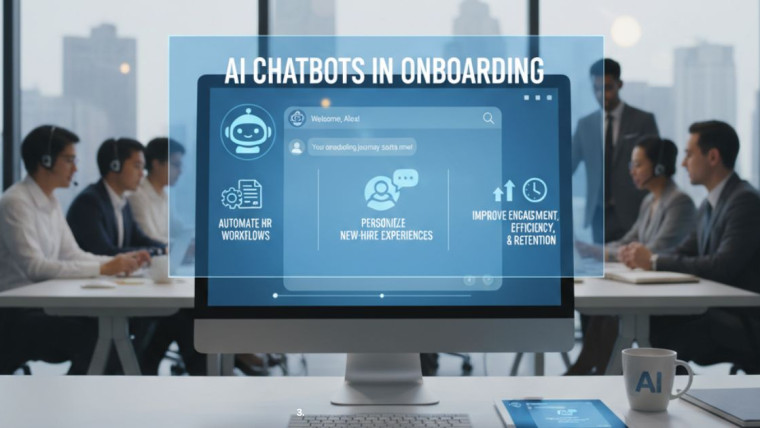
Transforming Employee Onboarding with AI Chatbots: A Step-by-Step Guide
Emergency Response Chatbots: Revolutionizing Crisis Management with AI
Revolutionizing Recruitment: How Chatbots Streamline Hiring Processes and Elevate Talent Acquisition