
Voice Activated Chatbots simplify customer interactions, enhance engagement, and integrate with AI tools. Proper workflow, analytics, and privacy ensure efficiency, bridging the gap between automation and human support.
Introduction to Voice Activated Chatbots
In the modern digital landscape, businesses and consumers are increasingly interacting with technology through voice. Voice Activated Chatbots have emerged as a powerful solution, enabling users to engage with systems hands-free while providing a more natural and intuitive experience. Unlike traditional text-based chatbots, voice-activated systems leverage speech recognition, natural language processing, and AI to understand and respond to user commands effectively.
As companies aim to improve customer engagement and streamline support, these chatbots are becoming essential tools. They are particularly effective in environments where typing is inconvenient, such as smart homes, vehicles, or on-the-go mobile interactions. For beginners, understanding how Voice Activated Chatbots function is crucial to adopting them successfully.
How Voice Activated Chatbots Work
At their core, Voice Activated Chatbots rely on three main components: speech recognition, natural language understanding, and response generation. Speech recognition converts spoken words into text, which the AI system then interprets using natural language understanding algorithms. Finally, the system generates an appropriate response, either spoken back to the user or displayed on a screen.
The AI behind these chatbots can also learn from previous interactions, improving accuracy and providing a personalized experience over time. Many modern systems integrate with platforms such as customer relationship management tools, enhancing their utility for businesses.
Core Features of Voice Activated Chatbots
Voice-activated chatbots are equipped with several features that differentiate them from traditional bots:
-
Speech Recognition Accuracy – Advanced AI models ensure minimal errors in understanding user commands.
-
Context Awareness – They remember prior interactions, offering a conversational flow that feels natural.
-
Multi-Platform Integration – Voice chatbots can operate across devices, including smartphones, smart speakers, and IoT devices.
-
24/7 Availability – Unlike live agents, these chatbots provide continuous support without fatigue.
Integrating these features effectively requires careful planning, especially for businesses seeking to optimize the customer journey.
Advantages for Beginners
For beginners exploring Voice Activated Chatbots, the benefits are significant. They offer a hands-free, intuitive interface that reduces the friction of typing, increases accessibility, and enhances user engagement. Businesses can implement these chatbots to handle basic queries, schedule appointments, or provide product information efficiently.
Moreover, the adoption of AI Chatbots for CRM allows organizations to link voice interactions directly to customer profiles, ensuring a seamless, data-driven approach to relationship management. This integration enhances personalization and helps businesses better understand customer behavior.
Comparing Chatbots vs Live Agents
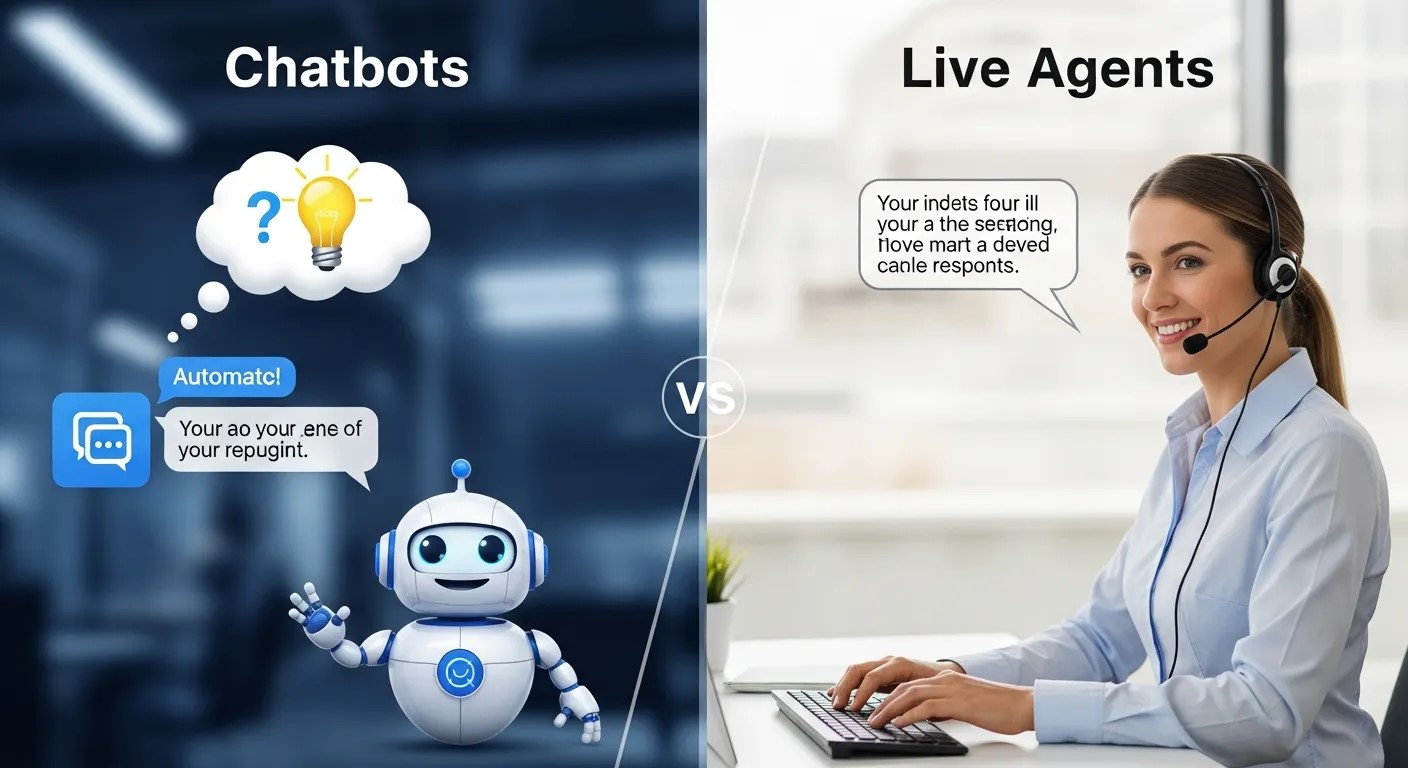
A common question among new users is how chatbots vs live agents compare in performance and effectiveness. While live agents bring empathy and adaptability, chatbots offer consistency, speed, and cost-efficiency. In many modern organizations, a hybrid model combining voice-activated chatbots with human agents ensures optimal customer experience. Routine inquiries can be handled automatically, while complex issues are escalated to a live agent.
This balance not only improves operational efficiency but also maintains high levels of customer satisfaction, demonstrating why businesses increasingly invest in Voice Activated Chatbots.
Ensuring Privacy and Security
As voice data becomes more prevalent, concerns about chatbots and data privacy are paramount. Businesses must ensure that all interactions are encrypted, stored securely, and comply with data protection regulations. Clear privacy policies and secure data handling practices reassure users and build trust in AI-driven solutions.
Modern voice chatbots often include features like anonymization, secure tokenization, and audit trails to meet compliance requirements. For beginners deploying these systems, understanding these principles is essential to safeguard both business and user data.
Enhancing Performance with Analytics
To maximize the effectiveness of Voice Activated Chatbots, implementing chatbot performance analytics is critical. Analytics provide insights into user interactions, peak usage times, common queries, and response success rates. By analyzing this data, businesses can refine bot scripts, improve AI understanding, and optimize workflow integration.
For example, analytics can identify frequently misunderstood commands, allowing developers to fine-tune speech recognition models or expand the bot’s vocabulary. Over time, this leads to more accurate, satisfying, and engaging conversations.
Practical Use Cases of Voice Activated Chatbots
Voice-activated chatbots are not just a futuristic concept—they are already transforming various industries. Understanding where they can be applied helps beginners visualize their practical value.
Customer Support and Service
One of the most common applications of Voice Activated Chatbots is in customer support. These chatbots handle frequently asked questions, track orders, and provide product guidance. For businesses aiming to scale support, integrating AI Chatbots for CRM ensures that voice interactions are linked to customer data, providing personalized responses that enhance satisfaction.
In situations where immediate human assistance is needed, the system can escalate the interaction to live agents. This hybrid approach, where chatbots vs live agents complement each other, ensures efficiency without compromising service quality.
E-Commerce and Retail
Retail businesses increasingly rely on voice chatbots to improve the shopping experience. Customers can inquire about product availability, receive recommendations, or complete purchases through simple voice commands. Beyond convenience, the integration of these chatbots with analytics tools helps businesses track customer behavior, optimize inventory, and tailor marketing campaigns.
Healthcare Applications
Healthcare providers are also leveraging Voice Activated Chatbots to assist patients with appointment scheduling, prescription refills, and basic medical guidance. The ability to interact via voice reduces barriers for patients with limited mobility or technological literacy. However, in this sector, attention to chatbots and data privacy is crucial, as sensitive medical data must be protected under strict regulations.
Smart Homes and IoT Devices
Voice chatbots are a cornerstone of smart home technology. Users can control lights, thermostats, or security systems through spoken commands, creating seamless and hands-free interactions. This integration demonstrates how Voice Activated Chatbots are not limited to customer service but extend to everyday convenience and productivity.
Advanced Features for Enhanced Interaction
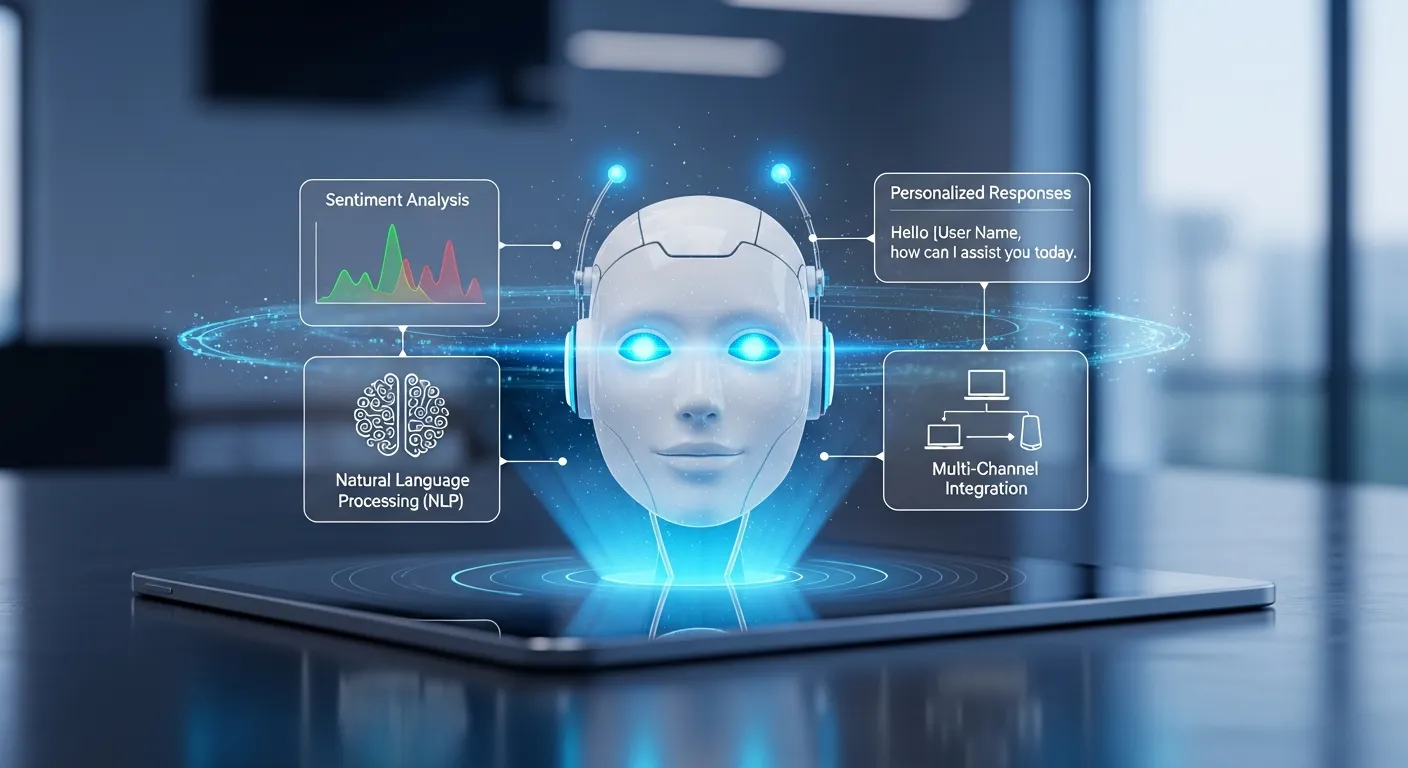
Modern Voice Activated Chatbots are more than simple voice responders they incorporate advanced AI capabilities that improve user experience.
Natural Language Understanding (NLU)
NLU enables chatbots to comprehend user intent beyond literal word recognition. This allows for conversational interactions that feel more human. By continuously learning from previous interactions, chatbots adapt to user preferences and reduce misunderstandings over time.
Multi-Language Support
Global businesses benefit from chatbots that can understand and respond in multiple languages. This feature broadens accessibility and ensures consistent service across regions.
Integration with Business Tools
Integrating voice chatbots with enterprise tools enhances operational efficiency. For example, linking with CRM platforms ensures customer histories are accessible during interactions. Similarly, integration with ticketing or scheduling systems automates routine workflows, allowing employees to focus on higher-value tasks.
Industry Applications Table
| Industry | Use Case | Benefits |
|---|---|---|
| Customer Service | Handling FAQs, support escalation | Faster response times, reduced agent workload |
| E-Commerce | Product search, order processing | Personalized shopping, higher conversion rates |
| Healthcare | Appointment scheduling, patient guidance | Accessibility, compliance with privacy laws |
| Smart Homes/IoT | Device control, daily automation | Convenience, hands-free interaction |
| Banking/Finance | Account inquiries, transaction alerts | Security, efficiency |
This table gives a quick overview of how Voice Activated Chatbots deliver value across industries.
Implementation Strategies for Beginners
For businesses and beginners looking to adopt voice-activated chatbots, a clear implementation strategy is essential. Key steps include:
-
Define Use Cases – Identify where voice interactions add value and what tasks the chatbot should handle.
-
Choose the Right Platform – Consider cloud-based solutions or specialized AI frameworks that support multi-device deployment.
-
Integrate with Existing Systems – Connect with CRM, ticketing, or marketing platforms to maximize data utilization.
-
Train the AI Model – Feed the system with relevant phrases, queries, and conversational patterns to improve recognition accuracy.
-
Monitor Performance Analytics – Use chatbot performance analytics to track interactions, success rates, and user satisfaction, adjusting the system as needed.
A structured approach ensures smoother adoption and avoids common pitfalls for beginners.
Addressing Data Privacy Concerns
Security is a cornerstone of voice-based AI systems. By implementing proper protocols, businesses can mitigate risks associated with chatbots and data privacy. Best practices include:
-
End-to-end encryption of voice data
-
Secure storage and anonymization of user data
-
Clear user consent mechanisms
-
Regular audits and compliance with regulations like GDPR or HIPAA
These measures not only protect sensitive information but also foster user trust, a critical factor for adoption.
Integration with AI Tools and CRM Systems
Modern businesses rely on AI Chatbots for CRM to improve customer experience and streamline workflows. By integrating Voice Activated Chatbots with CRM platforms, organizations can capture voice interactions directly into customer profiles, track past interactions, and automate follow-ups. This integration ensures that voice interactions are not isolated but contribute to a broader understanding of customer behavior.
For beginners, the process involves mapping key voice commands to CRM actions, such as creating a support ticket or updating contact information. This seamless connection allows businesses to harness data-driven insights without adding complexity to existing operations.
Multi-Channel Integration
Voice chatbots also excel in multi-channel environments. They can interact through mobile apps, smart speakers, websites, and even messaging platforms, providing consistent service across touchpoints. By implementing a multi-channel strategy, companies ensure that users can engage via their preferred platform, enhancing satisfaction and engagement.
This approach naturally supports hybrid customer service models, where chatbots vs live agents work together to manage interactions efficiently. Routine queries are handled by bots, while complex requests are escalated to humans.
Optimizing Chatbot Performance
To maximize the efficiency of Voice Activated Chatbots, continuous monitoring and optimization are critical. Chatbot performance analytics tools help track key metrics, such as:
-
Average response time
-
User satisfaction ratings
-
Query resolution rates
-
Voice recognition accuracy
Analyzing these metrics allows businesses to refine conversational scripts, improve AI understanding, and identify areas where additional training is needed. Beginners can start with basic analytics dashboards and gradually adopt more advanced tools as experience grows.
Key Optimization Techniques
-
Intent Mapping – Clearly define user intents to reduce misunderstandings.
-
Continuous Learning – Update the AI model based on user feedback and recurring queries.
-
Personalization – Tailor responses based on user data from CRM integration.
-
Scenario Testing – Simulate real interactions to evaluate bot performance.
By following these techniques, companies can ensure their chatbots remain accurate, engaging, and valuable over time.
Future Trends in Voice Activated Chatbots
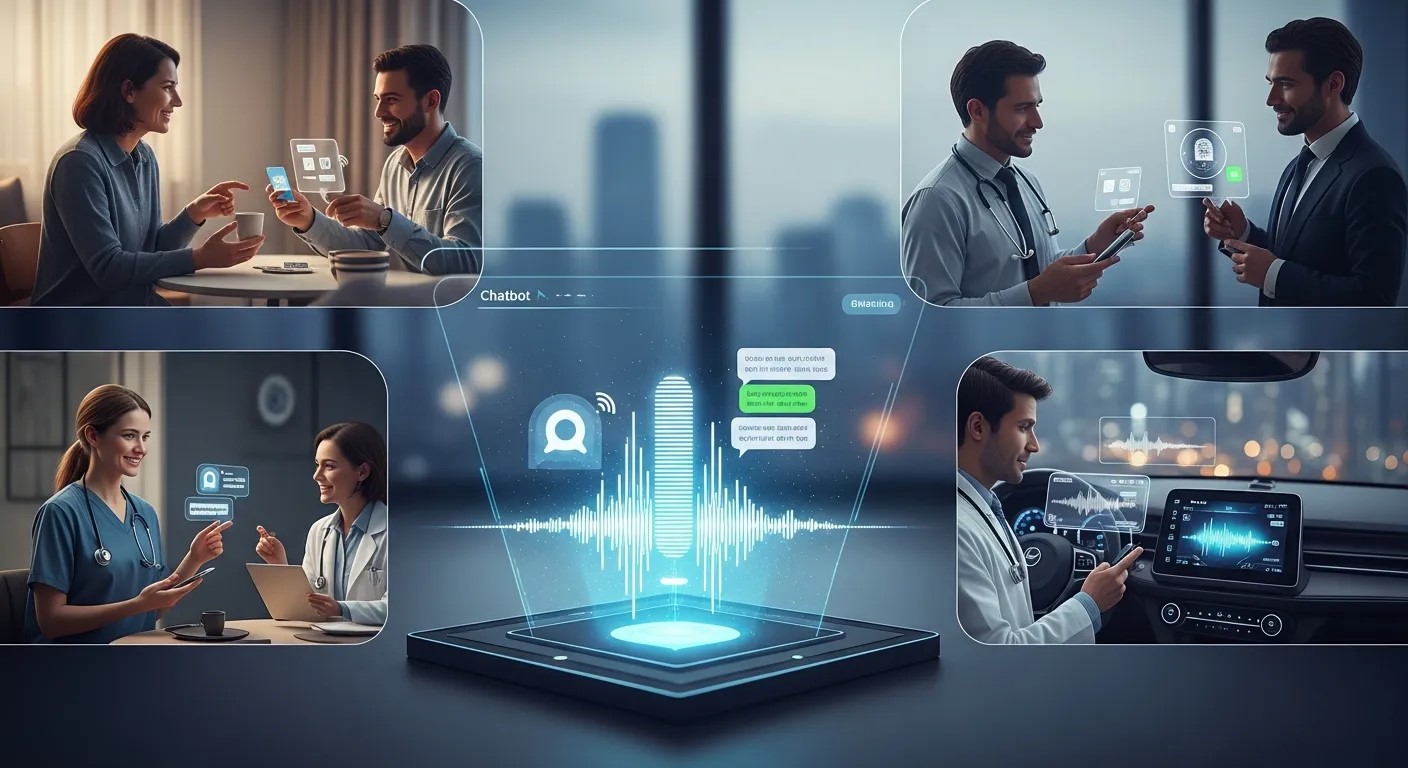
The landscape of Voice Activated Chatbots is rapidly evolving. Emerging trends include:
Conversational AI Advancements
Next-generation chatbots will leverage more sophisticated natural language processing models, enabling nuanced understanding of context, sentiment, and emotion. This evolution will make interactions feel even more human-like, bridging the gap between bots and live agents.
Integration with IoT and Smart Devices
The rise of smart devices continues to expand the potential of voice chatbots. From connected homes to wearable devices, voice interaction will become a central mode of control and communication, offering convenience and real-time insights.
Proactive Assistance
Future chatbots will move from reactive to proactive modes, anticipating user needs based on past behavior and contextual data. This predictive capability enhances user satisfaction and strengthens engagement, particularly when combined with CRM insights.
Common Challenges and Solutions
While Voice Activated Chatbots offer immense value, beginners should be aware of common challenges:
Speech Recognition Limitations
Background noise, accents, and speech variability can affect recognition accuracy. Advanced AI models and multi-language support help mitigate these issues.
Privacy and Compliance
Handling sensitive information requires strict adherence to chatbots and data privacy regulations. Secure encryption, anonymization, and clear consent protocols are essential.
Integration Complexity
Connecting chatbots with CRM systems, analytics tools, or other platforms can be technically challenging. Starting with smaller pilot projects and scaling gradually is an effective strategy for beginners.
User Adoption
Users may initially be hesitant to rely on voice interactions. Providing tutorials, clear instructions, and fallback options to live agents ensures a smooth adoption process.
Practical Examples Across Industries
To illustrate how Voice Activated Chatbots are applied, consider these real-world scenarios:
-
Retail: A shopper asks a smart speaker about product availability and receives personalized recommendations based on past purchases, leveraging CRM data.
-
Healthcare: Patients schedule appointments and request prescription refills using voice commands, with secure handling of personal health data.
-
Banking: Customers check account balances or transaction history via voice, with identity verification integrated into the system.
-
Hospitality: Guests use a hotel app to request room service or local recommendations without human interaction.
These examples show how voice chatbots improve efficiency, accessibility, and customer satisfaction, while maintaining seamless integration with other business systems.
Designing Conversational Workflows for Voice Chatbots

Creating an effective conversational workflow is crucial for Voice Activated Chatbots to deliver a seamless user experience. Beginners should start by mapping typical user journeys, identifying key questions, commands, and potential pain points. The goal is to anticipate user intent and guide conversations naturally, minimizing frustration. Integrating these workflows with AI Chatbots for CRM ensures that responses are personalized and context-aware, using stored customer data to enhance relevance. Additionally, understanding the balance between chatbots vs live agents is important: routine or repetitive queries can be automated, while complex issues are escalated to human support. Incorporating chatbot performance analytics into workflow design allows continuous monitoring and improvement, identifying areas where the chatbot may misinterpret commands or fail to provide accurate responses. Finally, attention to chatbots and data privacy ensures all interactions remain secure, fostering trust and compliance with regulations.
Voice Activated Chatbots in Everyday Business Operations
Voice Activated Chatbots are transforming everyday business operations by automating routine tasks and enhancing efficiency. Companies can use them to answer common customer queries, schedule appointments, or provide product information, reducing the load on live agents. Integrating AI Chatbots for CRM allows organizations to personalize interactions by leveraging customer data, improving engagement and satisfaction. Businesses that adopt hybrid models, balancing chatbots vs live agents, benefit from both automation and human insight. With insights from chatbot performance analytics and careful attention to chatbots and data privacy, voice chatbots deliver secure, reliable, and intelligent customer support around the clock.
Conclusion
Voice Activated Chatbots are transforming how businesses interact with customers, offering hands-free, intuitive, and scalable solutions. For beginners, understanding core features, industry applications, and integration with AI Chatbots for CRM is key to maximizing their value. By balancing chatbots vs live agents, organizations can automate routine tasks while maintaining human support for complex queries. Leveraging chatbot performance analytics and adhering to chatbots and data privacy best practices ensures efficiency, trust, and long-term success. As technology evolves, voice chatbots will become more intelligent, proactive, and integral to customer engagement strategies across industries worldwide.
Frequently Asked Questions (FAQs)
What are Voice Activated Chatbots?
Voice Activated Chatbots are AI-powered systems that allow users to interact with software, apps, or devices using spoken commands instead of typing.
How do voice chatbots differ from text-based chatbots?
Unlike text-based chatbots, voice chatbots process spoken language, providing hands-free, faster, and more natural interactions.
Can beginners implement voice chatbots without coding skills?
Yes. Many platforms offer drag-and-drop interfaces, pre-built templates, and AI integrations suitable for beginners.
How do AI Chatbots for CRM improve personalization?
They connect voice interactions to customer profiles, delivering responses based on past behavior and preferences.
What is the difference between chatbots vs live agents?
Chatbots handle routine tasks efficiently, while live agents manage complex queries requiring empathy and judgment.
Are voice chatbots secure and compliant with privacy laws?
When properly implemented with encryption and consent protocols, they comply with data privacy standards like GDPR.
How can I measure chatbot effectiveness?
Using chatbot performance analytics, you can track response accuracy, user satisfaction, engagement, and query resolution rates.
Which industries benefit most from voice chatbots?
Retail, healthcare, banking, hospitality, and smart home technology gain efficiency, engagement, and accessibility from voice chatbots.
Can voice chatbots handle multiple languages?
Yes. Multi-language support enables global businesses to provide consistent service across regions.
What are common challenges when using voice chatbots?
Challenges include speech recognition errors, integration complexity, privacy compliance, and initial user adoption hurdles.


How to Improve Chatbot User Experience for Better Engagement
How AI Chatbots for eCommerce Help Businesses Increase Conversions
The Future of Generative AI Chatbots in Business Automation
How AI Chatbot Development Automates Business Communication